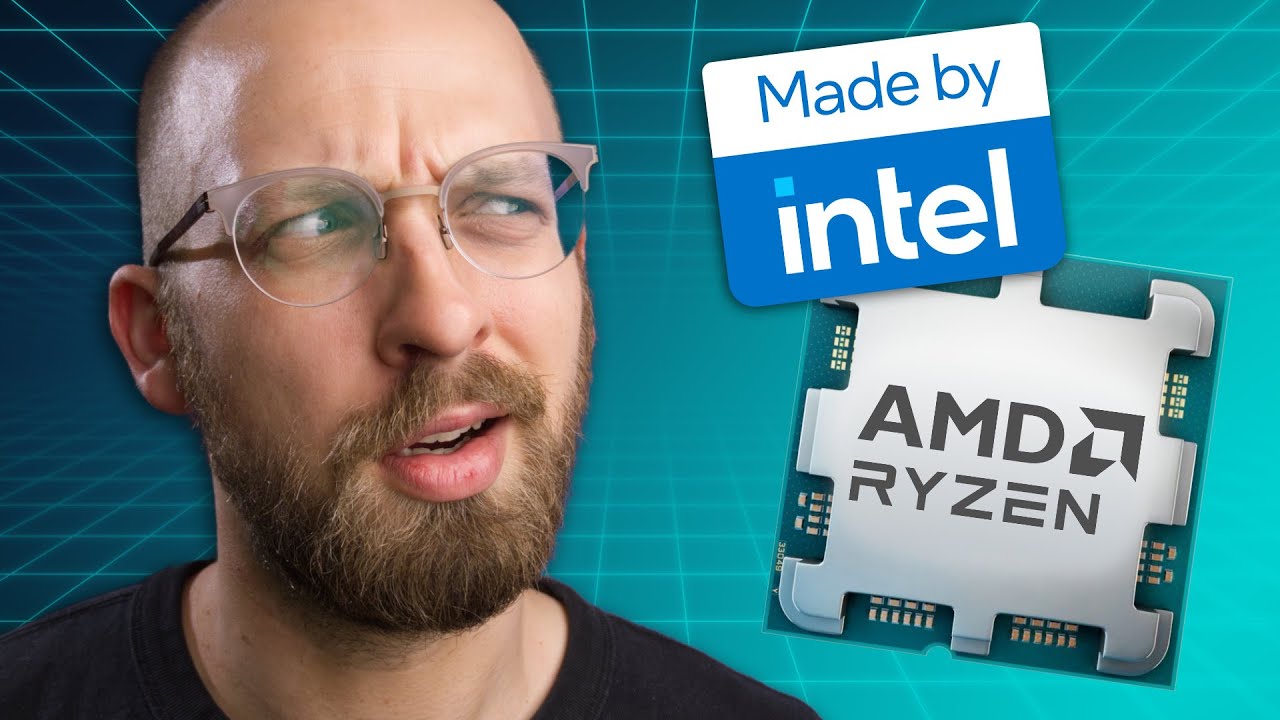
In this week’s update, Intel is reportedly in early talks to manufacture chips for its rival AMD, marking a significant shift in the semiconductor industry. This potential deal is not finalized yet but follows recent investments in Intel by Nvidia, SoftBank, and possibly Apple. The move is influenced by the U.S. government’s increased stake in Intel and its intention to boost the company’s business, encouraging other chipmakers to collaborate with Intel to avoid tariffs and restrictions. The manufacturing would likely involve Intel’s upcoming 14A process technology, designed to attract external customers.
Apple has reportedly shelved plans to release a revamped, cheaper, and lighter version of its Vision Pro headset, instead prioritizing the development of AI-powered smart glasses. The new strategy includes launching a pair of glasses without a display in 2027 and another with a display in 2028, with possible acceleration of these timelines. This shift aligns with market trends favoring smart glasses over bulky VR headsets, as seen with Meta’s growing success in smart glasses sales. Apple’s strong ecosystem and brand appeal position it well to capitalize on this emerging market.
Microsoft has introduced “Vibe Working,” an AI-powered tool designed to generate complex office documents through voice commands, building on the capabilities of its Copilot AI. This innovation aims to streamline document creation in Word, PowerPoint, and Excel by allowing users to iterate on AI-generated content using speech. While the concept is promising, there is concern about the potential overload of AI-generated content that users may not want to read, highlighting the challenges of integrating AI into everyday workflows. Additionally, Microsoft refreshed the icons of its office apps to give them a more playful look.
In product news, Google and Amazon have launched numerous new smart home devices, including security cameras, doorbells, and smart speakers, many featuring AI assistants like Google Gemini and Alexa Plus. Amazon also released a new Fire Stick running on a custom Linux-based OS called Vega OS for improved performance. Amazon’s new Kindle Scribe tablets feature modern designs and a color e-ink screen option. Other notable releases include an open-source printer project on Kickstarter, a ceramic keyboard, ceramic edition smart rings from Aura, and Logitech’s new MX Master 4 mouse with haptic feedback and programmable shortcuts.
The brief section covers several tech industry updates: Microsoft’s Xbox Game Pass high-end tier price increased by 50%, Samsung’s Galaxy Ring experienced a rare battery inflation incident, and Samsung’s Fold 7 foldable phone is seeing a 50% sales increase in the U.S. Samsung Display confirmed plans to produce foldable displays for a major American company, likely Apple. Meta will start using AI chats to personalize content and ads from December. Former President Trump received a $24.5 million settlement from YouTube over account suspension. OpenAI’s video generation tool received a major upgrade with Sora 2 and an iOS app for creating and remixing videos, including deepfakes. The video concludes with a promotion for Nebula, a platform for high-quality, creator-driven content free from low-effort AI-generated misinformation.