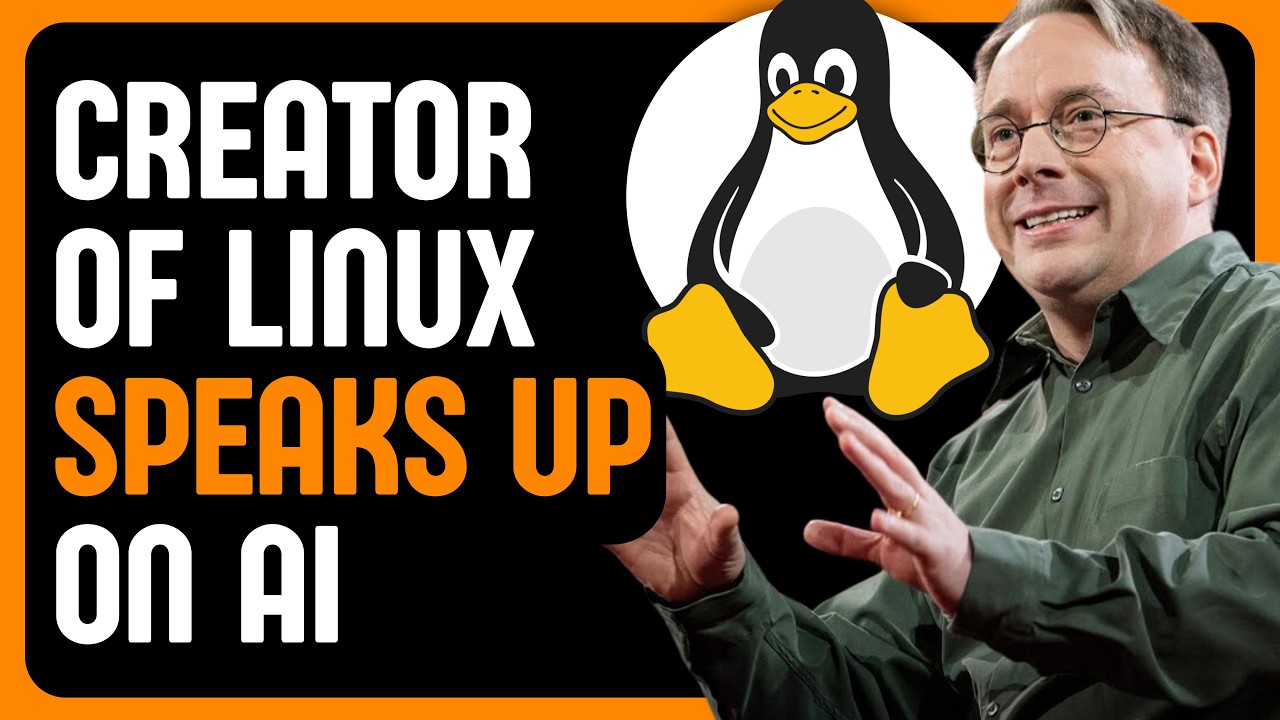
Linus Torvalds highlights that AI tools have increased Linux kernel contributions and bug discovery, but also introduced challenges like a flood of duplicate security bug reports and social strains on maintainers. He emphasizes the need for responsible AI use, improved coordination on vulnerability disclosures, and evolving workflows to harness AI’s benefits for long-term software quality and security.
In a recent conversation between Linus Torvalds, creator of Linux, and Durk, head of Verizon’s open source program office, Linus shared his insights on the growing impact of AI tools on Linux kernel development. Over the past six months, there has been a noticeable 20% increase in commits to the Linux kernel, which Linus attributes largely to AI-assisted development tools lowering the barrier to entry for contributing patches. While Linus appreciates the technical benefits of AI and enjoys using these tools, he acknowledges that their widespread adoption has introduced new social and operational challenges for the Linux community.
One significant issue Linus highlighted is the overwhelming flood of AI-generated bug reports, especially on the Linux kernel’s security mailing list. Many of these reports are duplicates or minor variations of the same underlying problems, which strains the limited number of maintainers responsible for triaging and addressing them. To manage this, the Linux kernel team has updated its security disclosure guidelines, emphasizing that bugs found via AI should be treated as public knowledge since multiple people are likely to discover the same issues simultaneously. However, this openness also means maintainers often have no lead time to prepare fixes before vulnerabilities become widely known.
Linus also discussed the broader social challenges that AI introduces to open source development. He compared the current situation to a similar scaling challenge he faced 25 years ago when Linux had to change its development process to handle growth. Now, AI tools are forcing developers out of their comfort zones, requiring new workflows and responsible usage to avoid overwhelming maintainers and the community. Additionally, Linus criticized the practice of some companies rushing to publicize security bugs for attention without coordinating with maintainers or providing patches, which undermines trust and complicates timely fixes.
Despite these challenges, Linus remains optimistic about AI’s role in software development. He believes that AI’s ability to find bugs—many of which would otherwise remain undiscovered—is ultimately beneficial for the long-term health and security of the Linux kernel. While the short-term impact may be increased workload and social friction, the end result is a more robust and secure codebase. Linus stresses that the conflict is not with AI technology itself but with how the community adapts to its implications and manages the social dynamics it creates.
In conclusion, the conversation underscores that AI is reshaping Linux kernel development by accelerating contributions and bug discovery but also creating new pressures on maintainers and security processes. Linus advocates for responsible use of AI tools, better coordination around vulnerability disclosures, and a recognition that open source projects must evolve their workflows to handle these changes. Despite the hurdles, he views AI as a valuable asset that, if managed well, will improve software quality and security over time. The discussion invites the broader community to reflect on how best to integrate AI into open source development sustainably.