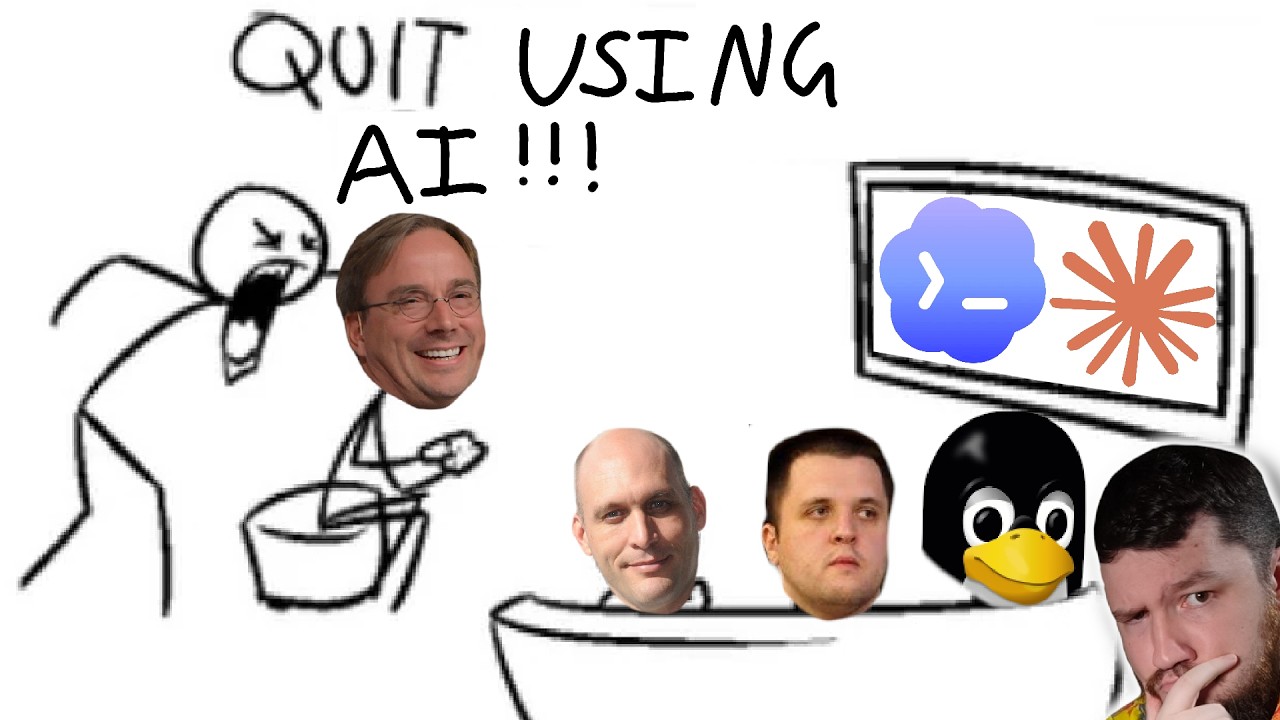
The Linux kernel community, led by Linus Torvalds, embraces AI as a helpful tool—particularly for AI-assisted code review—while emphasizing human oversight, technical merit, and responsible use to maintain code quality and integrity. Contributors advocate for clear guidelines, transparency, and caution against overreliance on AI, reflecting a pragmatic approach that balances innovation with accountability amid ongoing legal and ethical considerations.
The Linux kernel community is actively engaging with AI technologies, particularly in the realm of AI-assisted code review rather than outright AI code generation. Tools like Sashiko, an AI-driven Linux kernel code review system, exemplify this trend by helping maintainers triage and verify patches more efficiently. While some contributors express concerns about AI-generated bug reports and code quality, the consensus leans towards controlled and responsible use of AI tools, emphasizing human oversight to ensure code integrity and maintainability.
Laurent Pinchart and the Software Freedom Conservancy have outlined guidelines for using AI-generated contributions in open-source projects. These include respecting contributors’ choices to use or avoid AI tools, treating AI-assisted contributions like any other patch submitted in good faith, and requiring full disclosure when AI systems assist in code creation. The guidelines also stress the importance of maintaining detailed records of AI interactions and caution against overreliance on proprietary AI systems without understanding their licensing implications.
Linus Torvalds, the Linux kernel’s lead maintainer, has firmly stated that the Linux kernel is not an anti-AI project. He acknowledges the usefulness of AI as a tool, comparable to other development tools, and rejects the notion of banning AI outright. Torvalds emphasizes that decisions in the kernel community are driven by technical merit rather than fear or ideological opposition to new technologies. He also highlights ongoing challenges, such as the legal uncertainties around AI-generated code licensing and the impact of AI on the software development workforce, particularly concerning junior developers and interns.
Red Hat’s Ludpool provides a nuanced perspective, recognizing the power of AI tools while cautioning against their uncritical use. He differentiates between AI-assisted code review and AI code generation, advocating for human accountability and understanding of any AI-generated code submitted. Ludpool warns against workplace pressures that force employees to use AI tools without adequate oversight, which can degrade code quality and review standards. He calls for clearer guidelines on human ownership of AI-assisted contributions and better public messaging to distinguish between different AI use cases.
Overall, the discussion reflects a pragmatic approach within the Linux kernel community: embracing AI as a valuable tool while maintaining rigorous standards for code quality, contributor responsibility, and ethical considerations. The community acknowledges the inevitability of AI’s integration into software development and stresses the need for careful management to balance innovation with accountability. As AI continues to evolve, these conversations are expected to persist, shaping the future of open-source development and the broader tech industry.