The Linux kernel community has recently faced a divide over the use of AI tools in code writing and review, sparked by debates around an AI-based code review tool called Shashiko. Some developers advocate for integrating AI-generated feedback directly into the review process, while others, like Lauren Pitchart, argue that AI feedback should be carefully vetted by maintainers before being shared with patch authors. Lauren emphasizes following guidelines from the Software Freedom Conservancy, which include respecting contributors who choose not to use AI, thoroughly reviewing AI-assisted code, disclosing AI tool usage, and avoiding fully automated AI submissions without human oversight.
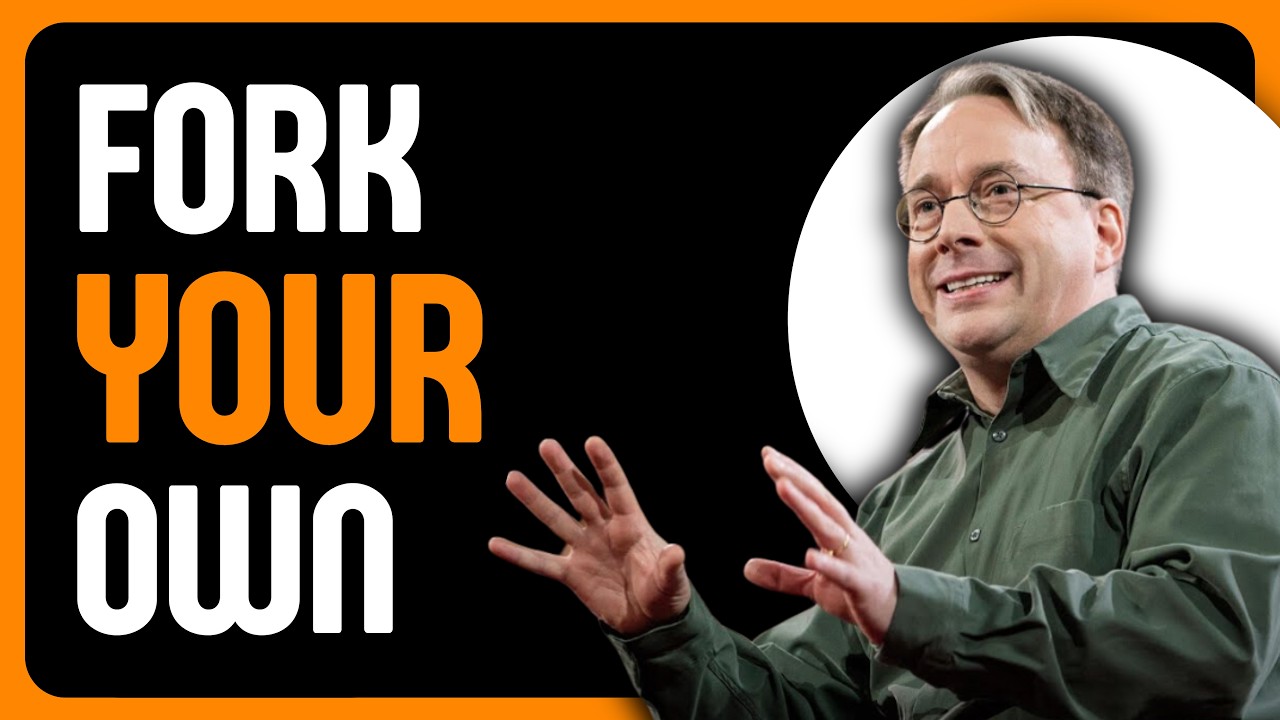
This debate escalated when some developers expressed strong opposition to the use of large language models (LLMs) like Shashiko in the Linux kernel workflow, arguing that the proposed restrictions on AI tools would hinder their effectiveness in assisting maintainers. Roman, another developer, called for leadership intervention to clarify the project’s stance on AI. In response, Linus Torvalds, the creator and lead maintainer of Linux, stepped in with a firm position, rejecting the notion that Linux should be anti-AI. He stated that AI is a useful tool that has proven its value, especially over the past year, and that those opposed to AI are free to fork the project or leave.
Linus emphasized that the Linux kernel project is fundamentally about advancing technology based on technical merit rather than social or ideological concerns. He acknowledged that AI tools are not perfect and can sometimes increase maintainer workload by flagging false positives, but argued that ignoring AI’s potential is not a solution. Instead, the focus should be on improving AI tools to genuinely assist maintainers. He also made it clear that while no one is forced to use AI, he will not tolerate attempts to prevent others from doing so, underscoring the open-source principle of freedom to choose.
Despite Linus’s strong endorsement of AI as a valuable tool, practical concerns remain within the community. Some maintainers report that Shashiko’s AI-generated reviews sometimes create more work by mixing accurate bug reports with misleading or incorrect ones, leading to increased noise and burden. The ongoing challenge is to improve the signal-to-noise ratio of AI feedback to ensure it helps rather than hinders maintainers. This issue highlights the need for continued refinement of AI tools and workflows rather than outright rejection or uncritical acceptance.
In conclusion, Linus Torvalds has taken a clear and decisive stance that AI will be part of the Linux kernel development process, reflecting his belief in embracing new technologies to improve the project. While ethical and social concerns about AI remain topics for broader discussion, the Linux community’s primary focus will continue to be on technical merit and practical utility. The debate now shifts to how best to integrate AI tools like Shashiko effectively, balancing innovation with maintainers’ workload and ensuring the quality and reliability of the Linux kernel.