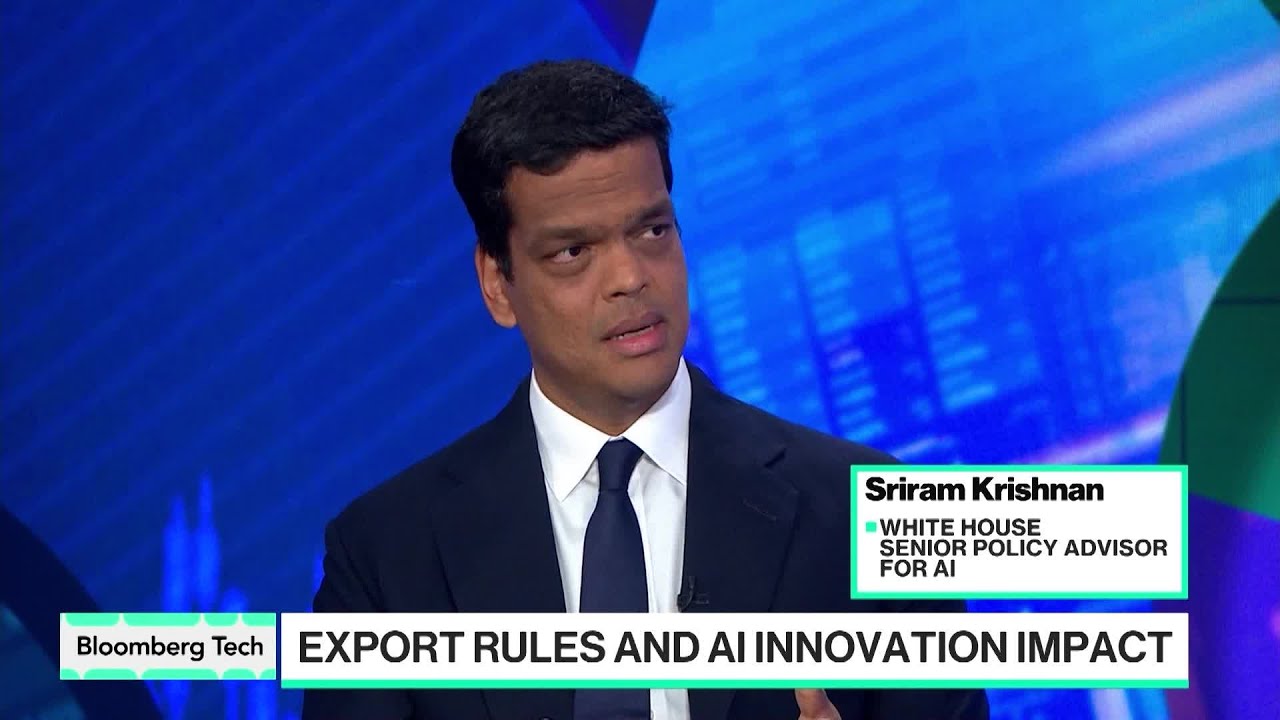
The United States is focused on establishing itself as the global leader in AI technology by exporting its advanced tech stack, particularly semiconductor chips, while working closely with industry and allied nations to set clear policies and standards. The administration emphasizes deregulation, supporting key companies like NVIDIA, embracing open source innovation, and maintaining competitiveness amid geopolitical challenges with China to ensure American dominance in AI hardware and software.
The discussion centers on the United States’ strategy to establish itself as the global standard-bearer in artificial intelligence (AI) technology, particularly focusing on the export of the American technology stack, including semiconductor chips. The administration emphasizes working closely with the Department of Commerce and industry leaders to develop clear policies and standards that will govern the volume and specificity of chip exports, especially to China. This approach aligns with President Trump’s executive orders aimed at ensuring America leads in AI technology globally, from hardware like chips to software models.
A significant part of the strategy involves deregulation and streamlining permitting processes to facilitate the onshoring of manufacturing and the export of American technology. The goal is to create a favorable environment where American companies, such as NVIDIA and AMD, can thrive and sell their products worldwide without unnecessary barriers. The administration is committed to collaborating with industry stakeholders to define a “gold standard” for the American tech stack and to encourage allied countries to adopt these standards over competing alternatives.
The conversation also touches on the semiconductor industry’s landscape, noting the presence of major players like Intel and TSMC and their roles in U.S. manufacturing. Despite some notable absences at recent industry events, the administration stresses the broad representation and support from various sectors, including semiconductors, energy, and AI applications. The focus remains on ensuring the American semiconductor industry remains competitive and dominant on the global stage.
Regarding concerns about market concentration, particularly with NVIDIA, the administration acknowledges the company’s critical role in the American technology stack. While there was mention of potentially breaking up NVIDIA, the consensus is that the company’s innovation and leadership in GPU technology are vital for maintaining U.S. competitiveness in AI. NVIDIA’s products are seen as essential worldwide, and the administration recognizes the importance of supporting such companies to stay ahead of global competitors.
Finally, the discussion highlights the importance of open source technology as a key driver of innovation and a level playing field for academic and technological advancement. The current administration aims to correct previous missteps by embracing open source as a strategic asset for American leadership in AI. Additionally, the geopolitical dynamics between the U.S. and China are likened to a wrestling match, with the U.S. striving to ensure that American technology, from CPUs to GPUs, remains the preferred choice globally despite challenges such as supply chain dependencies and access to critical materials.