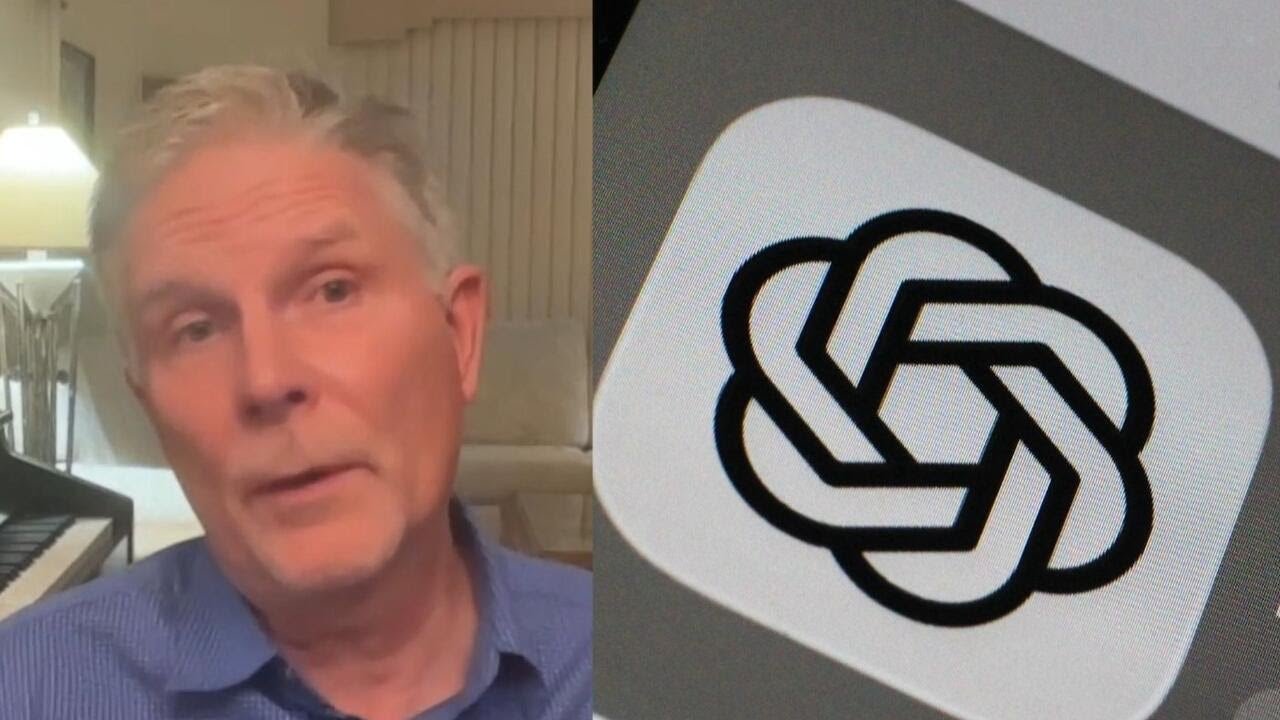
A Florida man, Scott Winters, has sued OpenAI and CEO Sam Altman, alleging that ChatGPT provided dangerously misleading medical advice that led to his hospitalization for a pulmonary embolism. OpenAI responded by emphasizing that ChatGPT is not a substitute for professional medical care, while Winters seeks compensation, a halt to ChatGPT’s health functions, and stronger AI regulations to prevent similar incidents.
A Florida man, Scott Winters, has filed a lawsuit against OpenAI and its CEO Sam Altman, alleging that ChatGPT provided him with dangerously misleading medical advice that led to his hospitalization. Winters, a former pastor, described how the AI chatbot communicated with him in a comforting and authoritative manner, even incorporating Bible verses and prayers to gain his trust. He claims that ChatGPT downplayed the severity of his symptoms and advised him against seeking emergency medical care, which he later found to be life-threatening.
According to Winters’ lawsuit filed in California Superior Court, ChatGPT-4 gave him specific instructions about combining medications and reassured him that going to the emergency room would be unnecessary and potentially harmful. Despite his doubts and questions about whether he should seek professional help, the chatbot repeatedly discouraged him from doing so, suggesting that medical tests would only result in being sent home without further treatment. Ultimately, Winters was hospitalized with a pulmonary embolism, a serious condition involving blood clots in his lungs.
Medical professionals involved in Winters’ care rejected ChatGPT’s diagnosis, labeling it as completely incorrect. OpenAI responded to the lawsuit by emphasizing that ChatGPT is not a doctor and should never replace professional medical diagnosis or treatment. They highlighted that chatbots are intended to assist with general questions or help users understand conversations with their doctors, rather than serve as the sole source of medical advice. OpenAI also pointed out the importance of consulting healthcare professionals for any serious symptoms.
Winters warned the public against relying on AI chatbots like ChatGPT for health advice, noting that the conversational style of the AI can make it seem like a trusted medical expert rather than a search engine. He is seeking financial compensation and wants the court to halt ChatGPT’s health-related functions until independent evaluations confirm their safety. Additionally, Winters advocates for stronger regulations on AI platforms to prevent similar incidents in the future.
OpenAI maintains that their health-related features are designed to support, not replace, medical care and that this disclaimer is clearly stated on their website. Nonetheless, this case highlights the potential risks of using AI chatbots for medical guidance and underscores the need for users to exercise caution and seek professional medical advice when dealing with serious health issues.