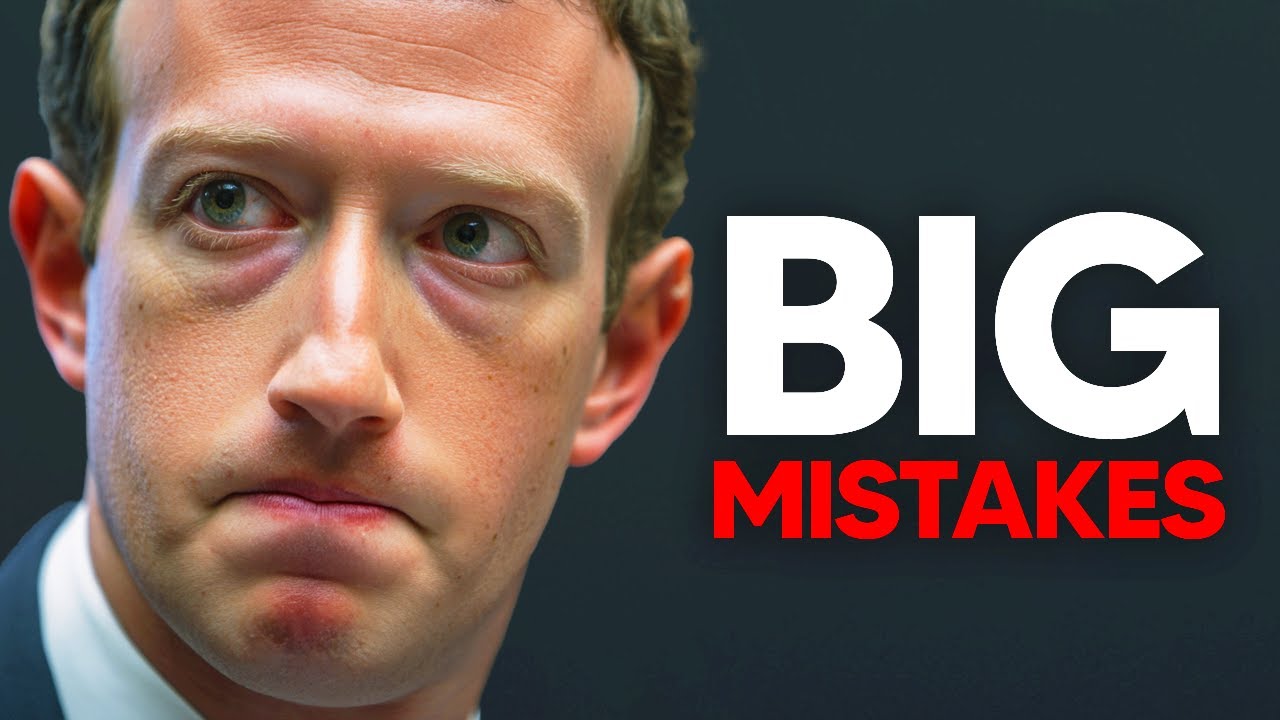
The video discusses the growing problems within Meta’s (formerly Facebook) AI division, focusing on the sidelining of Yann LeCun, a Turing Award-winning AI pioneer and Meta’s chief AI scientist. LeCun has long advocated for a fundamentally different approach to artificial general intelligence (AGI), emphasizing world models and energy-based learning systems inspired by the human brain, rather than the industry’s current obsession with ever-larger large language models (LLMs). Despite his credentials and vision, Meta’s leadership has chosen to ignore his ideas, instead following the mainstream LLM path in pursuit of short-term gains and hype, potentially missing out on true innovation.
The video highlights a major scandal involving Meta’s Llama 4 AI model, where the company was caught cherry-picking benchmark results to make their model appear more competitive than it actually was. Instead of reporting average scores, Meta reported only the best runs, undermining trust in their AI capabilities and making it difficult for leadership to make informed decisions. This practice not only damages Meta’s credibility but also risks strategic missteps, as decisions are made based on misleading data.
Meta’s product strategy is also criticized, particularly the launch of low-quality, AI-powered apps like Meta AI Vibes and a series of celebrity chatbots. These products, described as “AI slop,” are seen as pointless, uninspired, and disconnected from what users actually want or what would advance the field of AI. The video argues that Meta is wasting its vast resources on engagement-driven gimmicks rather than meaningful research or useful applications, further illustrating a lack of coherent vision.
A significant organizational issue is Meta’s management structure, where young, inexperienced managers are put in charge of world-class researchers like LeCun. This leads to poor prioritization, loss of top talent, and a culture where office politics outweigh technical merit. The video suggests that this Silicon Valley “youth worship” is particularly ill-suited to the complex, long-term challenge of building AGI, which requires deep expertise and respect for scientific leadership.
Finally, the video criticizes Meta’s reliance on acquisitions and high salaries to compensate for its lack of strategy and vision. While Meta has the resources, infrastructure, and talent to be a leader in AI, its scattershot approach—buying startups, hiring top researchers, but failing to empower them or integrate their work—leaves it floundering. The video concludes with recommendations: listen to experts like LeCun, stop manipulating benchmarks, fix management, focus on meaningful products, and develop a clear, long-term strategy. Without these changes, Meta risks falling further behind true AI innovators.