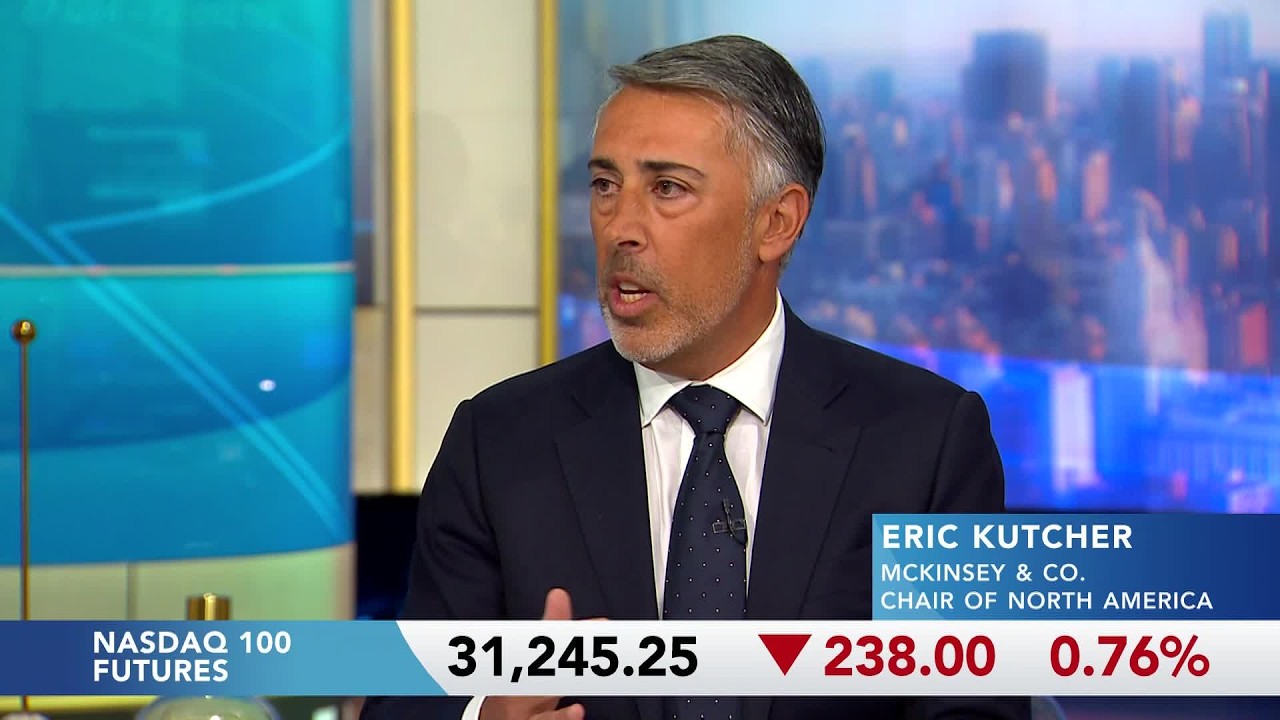
Eric Kutcher of McKinsey expressed optimism that AI will create more jobs than it displaces by 2035, driving a major workforce transformation with new roles emerging, especially in technology sectors. He emphasized that AI augments human work, boosts productivity, and generates business opportunities, while acknowledging challenges like retraining and cybersecurity that require careful management.
Eric Kutcher, Chair of North America at McKinsey, shared an optimistic outlook on the impact of AI on the U.S. economy, stating that more jobs will be created by 2035 than will be lost to automation. He emphasized that this growth will come with a significant workforce transformation, potentially the largest in U.S. history. Contrary to common fears about AI eliminating jobs, Kutcher highlighted that AI will actually generate new roles, particularly in technology sectors such as software development, where demand continues to rise.
Kutcher explained that while AI will disrupt many jobs—potentially affecting up to 36 million roles over the next decade—about two-thirds of these changes will involve existing roles that workers can transition into with appropriate training. He gave an example of workforce planning, where AI can drastically reduce the time required for certain tasks, allowing employees to be repurposed for higher-value activities. This reflects a broader trend of AI augmenting human work rather than simply replacing it.
At McKinsey itself, Kutcher noted that AI tools have significantly increased productivity, enabling teams to deliver more value and lower barriers to entry when serving clients. The firm has responded to these opportunities by hiring more consultants, with a 12% increase in new hires last year. This growth reflects McKinsey’s confidence in AI’s ability to enhance consulting work and create new business opportunities.
Kutcher acknowledged concerns about challenges such as cybersecurity, retraining, and skills mismatches amid rapid AI-driven transformation. He described the current moment as the most transformative in recent history, with CEOs increasingly turning to McKinsey for guidance on leveraging AI to reinvent core processes and improve business outcomes. The scale of change is driving more demand for consulting services focused on navigating this complex transition.
Addressing recent job cuts at HSBC attributed to AI, Kutcher suggested that some of these reductions are linked to earlier pandemic-related investments and strategic business decisions rather than AI alone. He implied that some executives might be moving too quickly in cutting jobs without fully considering the longer-term benefits and opportunities AI can bring. Overall, Kutcher’s message was that while AI will disrupt the workforce, it ultimately creates more jobs and opportunities for growth and innovation.
Useful Links