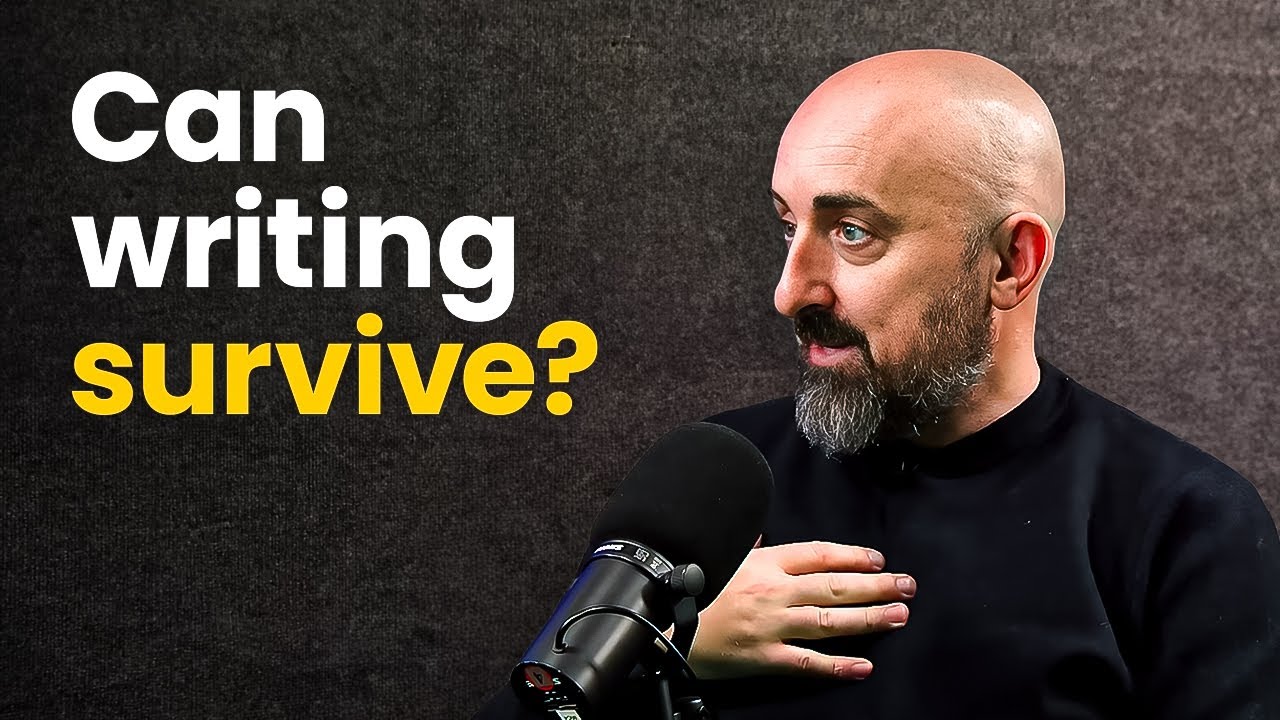
In this insightful conversation on the Big Technology Podcast, Tony Stubblebine, CEO of Medium, discusses the evolving landscape of writing in the age of AI. He addresses concerns about the proliferation of low-quality AI-generated content, often referred to as “AI slop,” on platforms like Medium. Tony clarifies that while there was a significant increase in AI-generated submissions, Medium employs robust spam detection and filtering systems to ensure that readers primarily see high-quality, authentic content. He emphasizes that the real issue is not the volume of AI content but the quality of what readers encounter, and Medium actively works to prevent low-value AI content from surfacing in recommendations or search indexes.
Tony elaborates on the nuanced role AI can play in writing, distinguishing between AI-generated spam and AI as a helpful assistant. He believes writing is fundamentally an act of thinking and self-expression that AI cannot replace. Instead, AI tools can support writers by helping them organize messy notes, maintain their train of thought, and provide smart editing suggestions. Medium is developing a new writing app that integrates AI to assist writers throughout their creative process, making it easier to manage unstructured data and enhance productivity without forcing rigid organizational systems.
The discussion also touches on the complex relationship between content creators, platforms, and AI companies. Tony expresses frustration that many AI companies have trained their models on creators’ content without consent or compensation, breaking the social contract of value exchange. Medium is taking a firm stance by implementing measures to block unauthorized AI crawlers and advocating for fair licensing standards that would ensure creators are compensated. Unlike some platforms that keep such revenues, Medium intends to pass any compensation directly back to its writers, reinforcing its commitment to supporting the creator community.
Regarding the future of writing and publishing, Tony distinguishes Medium’s mission from platforms like Substack. Medium aims to serve “real people” who write to share life lessons and personal insights rather than professional content creators seeking to monetize their work full-time. He highlights that much of the internet’s valuable content comes from everyday experts sharing their knowledge and experiences, not just from professional journalists or creators. Medium’s focus is on fostering authentic, meaningful writing that enriches readers’ lives, rather than chasing trends or the creator economy’s commercial pressures.
Finally, Tony reflects on the broader shifts in the internet ecosystem driven by AI and changing user behaviors. He notes that while AI chatbots like ChatGPT are becoming significant traffic sources, they currently drive far less traffic than traditional search engines like Google, and the overall impact on web traffic is complex. He worries that if incentives for public writing diminish, people may retreat to private spaces like Discord for connection and expression. Despite these challenges, Tony remains optimistic about the enduring value of writing as a form of thinking and human connection, and Medium’s role as a welcoming platform for diverse voices in this changing digital landscape.