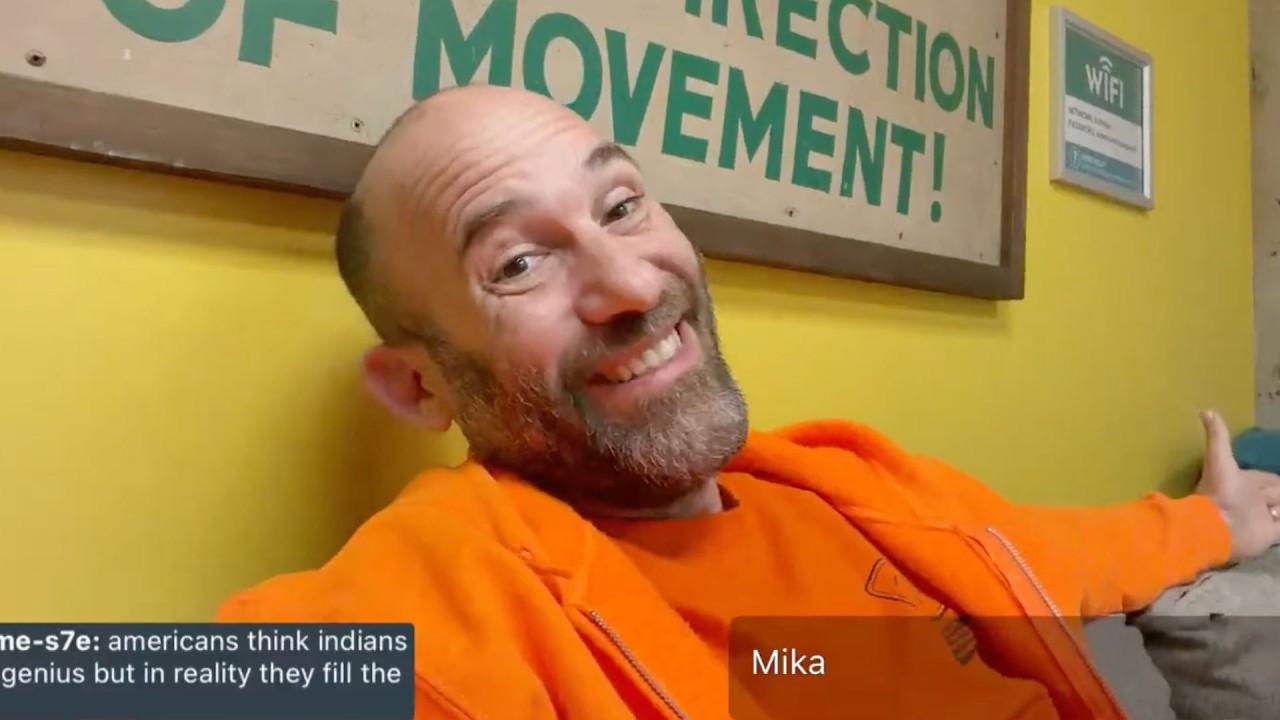
The video features Eli the Computer Guy discussing a range of topics centered on the current state of artificial intelligence (AI), technology education, and the business practices of major tech companies. He opens with a humorous and self-deprecating commentary on his livestream audience, then transitions into the importance of foundational networking knowledge—specifically TCP/IP version 4—for anyone working in AI. Eli argues that many modern coders lack a deep understanding of basic networking, which leads to inefficient and costly system architectures. He stresses that understanding these fundamentals is crucial for building robust, scalable, and cost-effective AI systems, rather than simply following the latest industry trends.
Eli critiques the current generation of AI leaders and tech professionals, contrasting them with past figures like Bill Gates and Steve Ballmer. He observes that today’s AI leaders often sound more like salespeople or pundits than technologists, focusing on hype and grand promises (such as AI curing diseases) rather than technical realities. He uses the example of Retrieval Augmented Generation (RAG) and knowledge graphs, explaining how industry narratives can shift quickly—sometimes for commercial reasons rather than technical merit. Eli warns that the push to use ever-larger context windows in large language models (LLMs) is driven by vendors’ interests in selling expensive hardware, rather than by what is actually best for organizations.
The discussion then shifts to the broader tech job market and workplace trends. Eli notes that the job market for technology professionals has become more challenging, with layoffs and fewer opportunities than in the boom years of the late 2010s. He highlights the disconnect between how companies, governments, and even laid-off employees present the state of the job market versus the reality. Eli also discusses the increasing importance of key performance indicators (KPIs) and how AI and automation are forcing companies to more clearly define the value of each employee’s work. He predicts that as AI agents take on more specific tasks, managers will be forced to clarify job roles and measure productivity more rigorously, which could expose redundancies and lead to further layoffs.
Eli also talks about his own educational initiative, Silicon Dojo, which focuses on in-person, hands-on technology education. He explains why he prefers in-person classes over online formats, emphasizing the value of community, direct interaction, and localized learning. He shares anecdotes about students traveling long distances to attend his classes and encourages others to use his open-source materials to teach in their own communities. Eli is critical of the current state of online education and social media, arguing that they have become less effective and more commercialized over time.
Finally, Eli addresses recent business developments in the AI hardware space, specifically Meta’s deal with AMD to purchase large quantities of GPUs and acquire up to 10% of AMD’s shares. He explains how these kinds of circular financial arrangements—where companies buy hardware and simultaneously gain equity in suppliers—are becoming more common and potentially dangerous. Eli draws parallels to the financial engineering that led to the 2008 financial crisis, warning that the complexity and hype in the AI sector could eventually lead to a major reckoning. He closes with reflections on the culture of tech leadership, the dangers of idolizing industry figures, and the importance of staying grounded in practical skills and community engagement.