The video begins with Eli the Computer Guy discussing his excitement about IBM’s new Granite 1 billion parameter language model (LLM). He contrasts this efficient, smaller model with the industry trend of ever-larger AI models, arguing that well-trained, smaller models can deliver strong performance without the massive infrastructure investments being pushed by companies like OpenAI. Eli shares his positive experiences running IBM’s Granite models on modest hardware, such as a Raspberry Pi 5, and suggests that the tech industry’s obsession with scale is misguided.
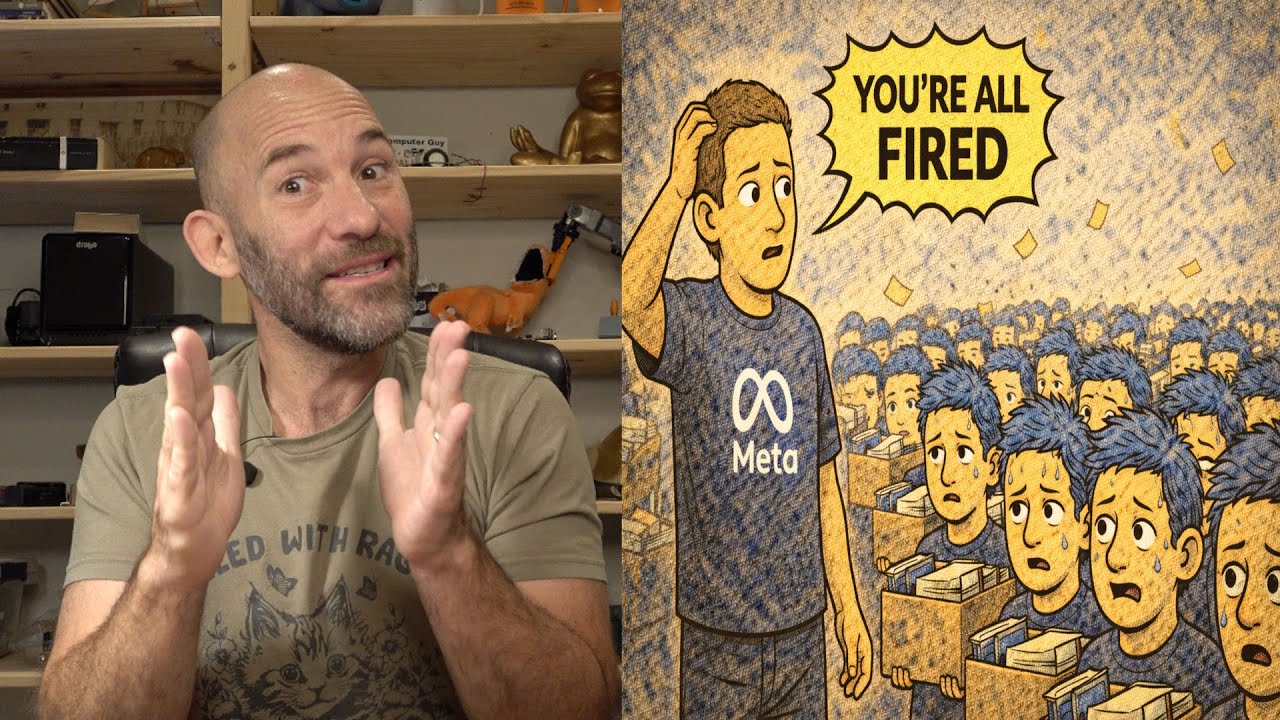
He then pivots to the topic of Meta’s recent layoffs, highlighting that the company is cutting up to 1,500 jobs from its Reality Labs division, which focuses on virtual and augmented reality. Eli recalls how, just a few years ago, Mark Zuckerberg was adamant that VR was the future, even rebranding Facebook as Meta and investing $73 billion into Reality Labs. However, consumer interest in VR has remained niche, and the technology has not lived up to its hype, leading to these significant job cuts.
Eli uses Meta’s situation as a cautionary tale about the unpredictable nature of technology trends and the dangers of buying into industry hype. He points out that tech companies often hire far more employees than they need, anticipating future growth that may never materialize. Even after several rounds of layoffs across the industry, many companies remain bloated, and further cuts are likely as economic pressures continue and failed projects are abandoned.
He also critiques the leadership style of tech CEOs like Mark Zuckerberg, who he sees as chasing trends—first VR, now AI, and even humanoid robots—in a bid to stay relevant rather than focusing on sustainable, profitable business strategies. Eli contrasts this with Apple’s more measured approach, sticking to its product roadmap rather than blindly following every new trend. He suggests that the constant pivoting at Meta reflects a lack of clear vision and an overreliance on chasing validation from the tech community.
In closing, Eli encourages viewers to think critically about the narratives pushed by tech leaders and to be wary of getting swept up in the latest fads. He emphasizes the importance of understanding the reality behind the hype, both for individual careers and for the industry as a whole. He also plugs his Silicon Dojo initiative, which offers free, hands-on technology education, and invites viewers to support or participate in upcoming classes.