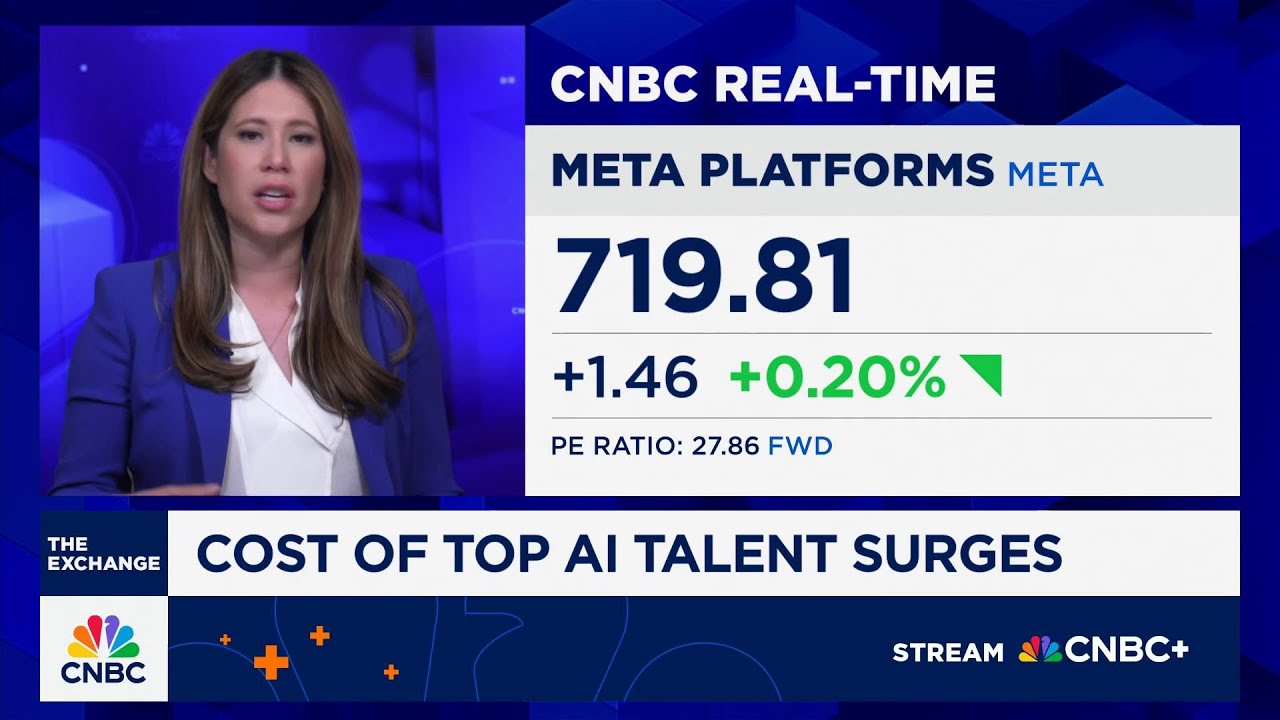
Meta is aggressively expanding its AI talent pool, reportedly spending tens of millions of dollars to recruit top researchers, including a key AI expert from Apple named Roaming Pong. While these sums are significant, they are relatively modest compared to some other tech giants who have offered packages in the hundreds of millions. Meta’s CEO Mark Zuckerberg is clearly outspending competitors in the AI hiring race, but the critical question remains whether Meta has a clear and focused AI strategy or if it risks losing direction by trying to do too much at once.
Zuckerberg’s hiring spree has brought in a diverse group of AI researchers, operators, and founders, some of whom now outrank established AI experts already at Meta. Notable hires include Alexander Wang from Scale AI, Nat Friedman, Daniel Gross, and now Roaming Pong from Apple, who was reportedly a leading figure in Apple’s foundational AI model development. This influx of talent is reshaping Meta’s AI team, but it also raises concerns about whether the company can maintain the focus and innovation that characterized its earlier AI projects like LLaMA, which was open source and well-regarded.
From an investor perspective, Meta’s AI spending is substantial and growing. The company is investing more in capital expenditures as a percentage of revenue than even major hyperscalers like Google and Amazon. Additionally, stock-based compensation has tripled, and free cash flow per employee has dropped by 30%, indicating a decline in labor productivity. These metrics highlight the financial risks involved and leave the return on investment in AI talent and technology an open question for the future.
Despite the high costs, Meta’s approach to talent acquisition is seen as more cost-effective than outright acquisitions, which would likely be far more expensive and complicated. Moreover, by poaching key AI researchers from competitors like Apple and Google, Meta is not only strengthening its own capabilities but also weakening its rivals. This is particularly impactful for Apple, which lacks the deep AI research bench that companies like OpenAI, Google, and Anthropic possess, making the loss of top talent like Roaming Pong more consequential.
In summary, Meta’s AI endgame involves a massive talent grab aimed at building a leading AI team, but the company faces challenges in defining a coherent strategy and ensuring efficient use of its investments. While Zuckerberg’s spending spree is reshaping the competitive landscape and potentially accelerating Meta’s AI development, the ultimate success will depend on whether the company can focus its efforts and translate this talent into innovative, impactful AI products. Investors and industry watchers remain cautious, watching closely to see if Meta can avoid the pitfalls of overreach and maintain its competitive edge.