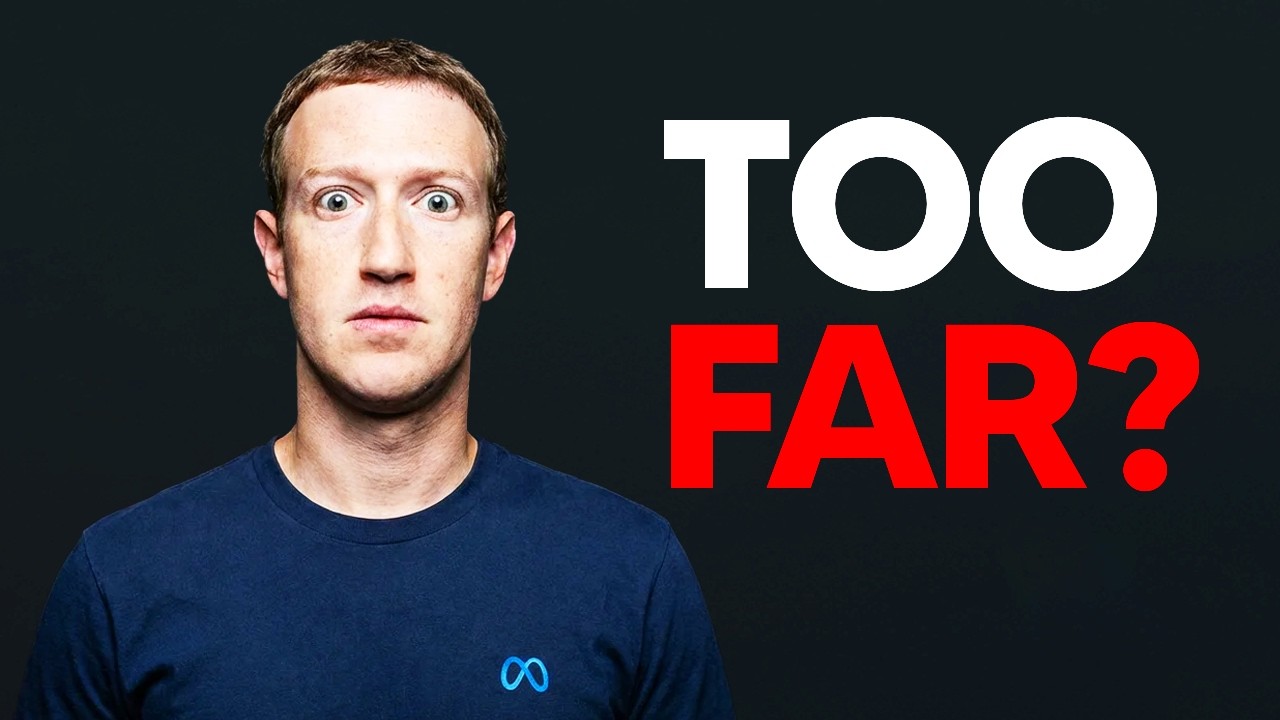
Meta has recently been granted a patent for an AI system that can simulate a user’s presence on social media, even after they have died. The patent, titled “Simulation of a user of a social networking system using a language model,” describes how Meta could use a language model trained on a person’s social media activity to continue posting, liking, and interacting as if that person were still alive. This concept has sparked widespread concern and debate, as it evokes dystopian scenarios reminiscent of science fiction, particularly the show Black Mirror. The idea of digital clones maintaining a person’s online presence after death is seen by many as unsettling and raises questions about authenticity and consent.
The rationale behind Meta’s patent is rooted in maintaining engagement on their platforms. According to the patent, when users leave or become inactive—whether due to taking a break or passing away—their absence negatively impacts the experience of their connections. Meta’s proposed solution is to allow AI to fill this void, keeping the user’s digital persona active. However, previous attempts by Meta to introduce AI personalities, such as celebrity chatbots, were met with discomfort and failed to gain traction. This suggests that users value genuine human interaction on social media, and AI-driven substitutes often feel inauthentic and unappealing.
The video also references rumors and unverified reports, such as the so-called “Project Lazarus,” which allegedly involved Meta developing AI to take over deceased users’ accounts. While these claims are largely speculative, they highlight the anxieties surrounding the potential misuse of such technology. Mark Zuckerberg himself has discussed the possibility of using AI and the metaverse to allow people to interact with digital versions of deceased loved ones, particularly as a tool for those struggling with grief. While this could offer comfort to some, it also raises ethical concerns about the psychological impact and the boundaries between reality and simulation.
Other tech companies, like Microsoft, have also filed patents for similar technology, indicating a broader industry interest in digital resurrection. Microsoft’s patent even includes the possibility of creating two- or three-dimensional avatars based on a person’s data, further blurring the line between the living and the digital. Legal issues also come into play, as many jurisdictions protect the postmortem rights of individuals, restricting the use of their likeness, voice, and identity for commercial purposes. This means that any implementation of such technology would have to navigate a complex web of legal and ethical considerations.
Ultimately, while the technology to create digital clones is advancing rapidly, public sentiment remains largely skeptical or outright negative. Most people are uncomfortable with the idea of AI versions of themselves or their loved ones continuing to post online after death. The main value of social media lies in authentic human connection, and AI-driven personas risk undermining that. While there may be niche use cases—such as influencers or brands using AI to maintain engagement—the broader societal implications are profound and unpredictable. The future of digital identity and AI in social media will depend on how these ethical, legal, and emotional challenges are addressed.