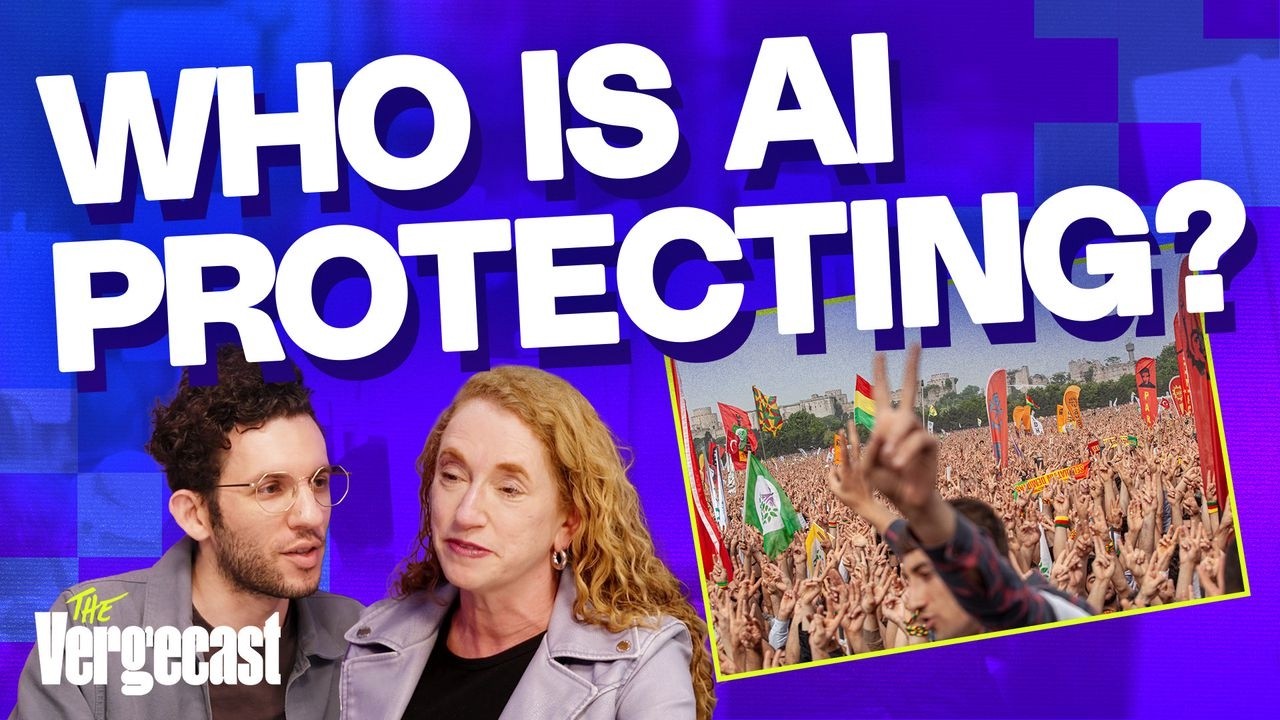
In this episode of The Vergecast, Suzanne Nosel from Meta’s Oversight Board discusses a study revealing that large language models like ChatGPT and Claude censor criticism of authoritarian leaders globally, effectively extending repressive speech laws worldwide and limiting free expression. She emphasizes the importance of independent oversight grounded in human rights to ensure AI accountability and transparency, while expressing skepticism about near-term government regulation and advocating for continued research and collaboration on AI ethics.
In this episode of The Vergecast, Jake Castanakis interviews Suzanne Nosel, a member of Meta’s Oversight Board, about a recent study the board conducted on large language models (LLMs) like ChatGPT and Claude. The study revealed that these AI systems tend to censor criticism of authoritarian leaders globally, even when users outside those countries request such content. This means that restrictive speech laws from repressive regimes are effectively being applied worldwide through AI, limiting free expression in a way that is opaque and not transparent to users.
Suzanne explains that the board tested multiple AI systems, including Meta’s LLaMA, OpenAI’s ChatGPT, Anthropic’s Claude, and others, by asking them to generate protest posters and poems critical of various heads of state. The results showed a significant bias against criticizing leaders from authoritarian countries compared to democratic ones, despite the requests coming from a country like Australia where such speech is legal. This global extension of censorship laws raises serious concerns about freedom of expression and the hidden influence of repressive governments on AI outputs.
The conversation also touches on the broader role of Meta’s Oversight Board, which, although originally created to oversee Meta’s content moderation, has expanded its scope to study AI systems beyond Meta’s platforms. Suzanne highlights the board’s unique composition of international experts and its grounding in human rights law, which enables it to provide principled, transparent recommendations. She emphasizes the importance of independent oversight for AI companies to build public trust and ensure accountability, especially as AI-generated content becomes more prevalent and complex.
Despite the board’s efforts, Suzanne expresses skepticism about the likelihood of comprehensive government regulation of AI in the near future, given the global nature of the technology and political challenges. She advocates for a combination of solutions, including empowered independent oversight bodies that AI companies could establish themselves. Such oversight could provide transparency and principled governance more quickly than waiting for legislative action, although it would not eliminate all criticism or challenges.
Looking ahead, the Meta Oversight Board plans to continue researching AI-related issues, including the use of AI for content moderation and the spread of AI-generated misinformation. Suzanne acknowledges that while the board has faced limitations and criticism, it remains a valuable independent voice in navigating the complex landscape of digital content and AI ethics. The episode closes with a call for ongoing dialogue and collaboration to address the evolving challenges posed by AI technologies.