The video exposes how industrial plastic pollution, particularly from companies like Formosa Plastics in Texas, is the primary source of microplastics now found in human bodies—including blood and brains—rather than individual consumer habits. It highlights the severe health risks and lack of regulatory accountability, warning that corporate profit is prioritized over public health and environmental safety.
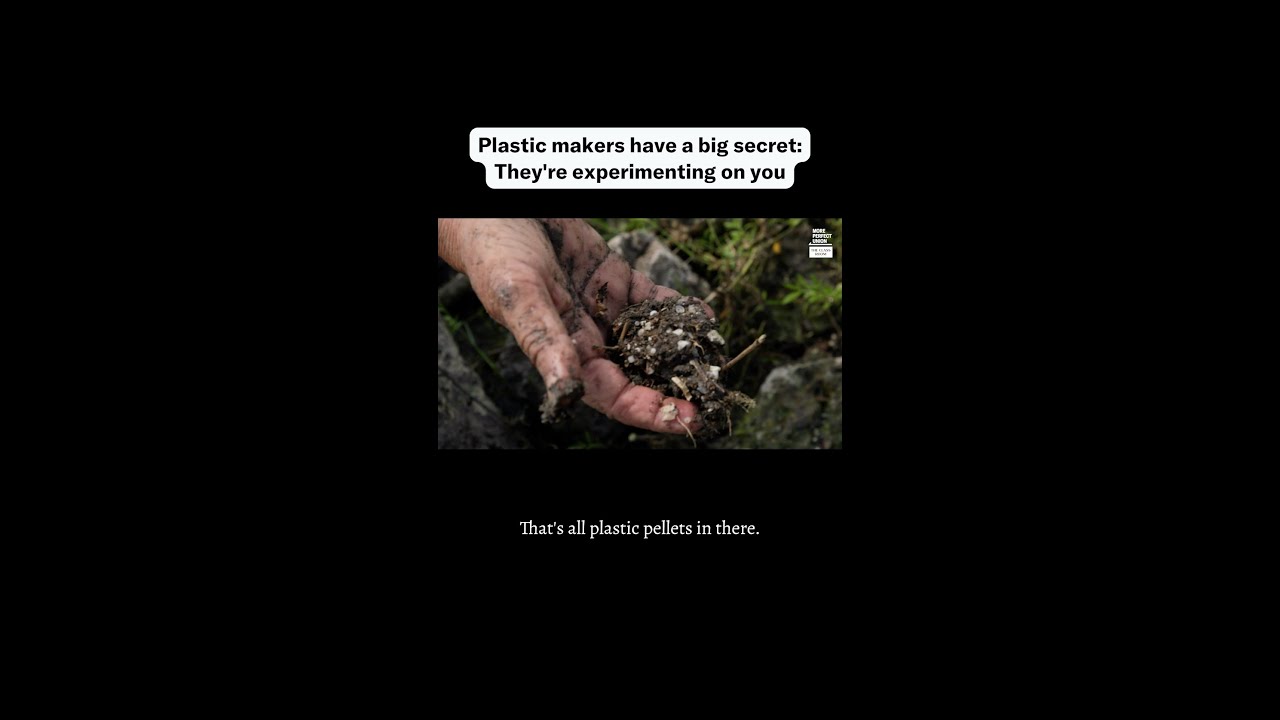
The video investigates the widespread presence of microplastics in the environment and their alarming infiltration into human bodies. It opens in Point Comfort, Texas, where plastic pellets—an industrial form of microplastics—are visibly polluting the local waterways. These pellets, produced by chemical plants, are not only contaminating the environment but are also making their way into the bodies of nearly every human tested, showing up in blood, brains, and even testicles.
While many people believe their personal habits, such as using plastic cutting boards or water bottles, are the main sources of microplastic exposure, the video reveals that industrial pollution is a much larger and less regulated contributor. Specifically, it highlights the Formosa Plastics plant in Texas, which has been operating since 1979. Despite concerns, state and federal agencies prioritized economic benefits over environmental risks, allowing the plant to expand and release significant amounts of plastic waste into the surrounding area.
Local residents describe how plastic pellets have become ubiquitous, covering cars, filling swimming pools, and overflowing into yards and ditches. The company consistently underreported the scale of their pollution to regulatory agencies, claiming releases of just a few pounds when the actual amounts were much higher. This lack of accountability has led to widespread contamination with little intervention from authorities.
The health implications of microplastic exposure are deeply concerning. Researchers have linked ingestion of microplastics to colorectal cancer, which is increasingly being diagnosed in younger people. There is also evidence that microplastics disrupt the endocrine system and have been found in fetuses and placentas, raising serious questions about the long-term effects on future generations. Scientists and residents alike express anxiety about the unknown consequences of having microplastics embedded in vital organs.
Ultimately, the video argues that the proliferation of microplastics is driven by corporate profit, with companies choosing not to invest in measures that would prevent plastic pollution. The cost savings benefit the companies, while the public bears the health risks. The narrator warns that society may only understand the true impact of microplastics after significant harm has already been done, as plastics continue to alter both the environment and human health.