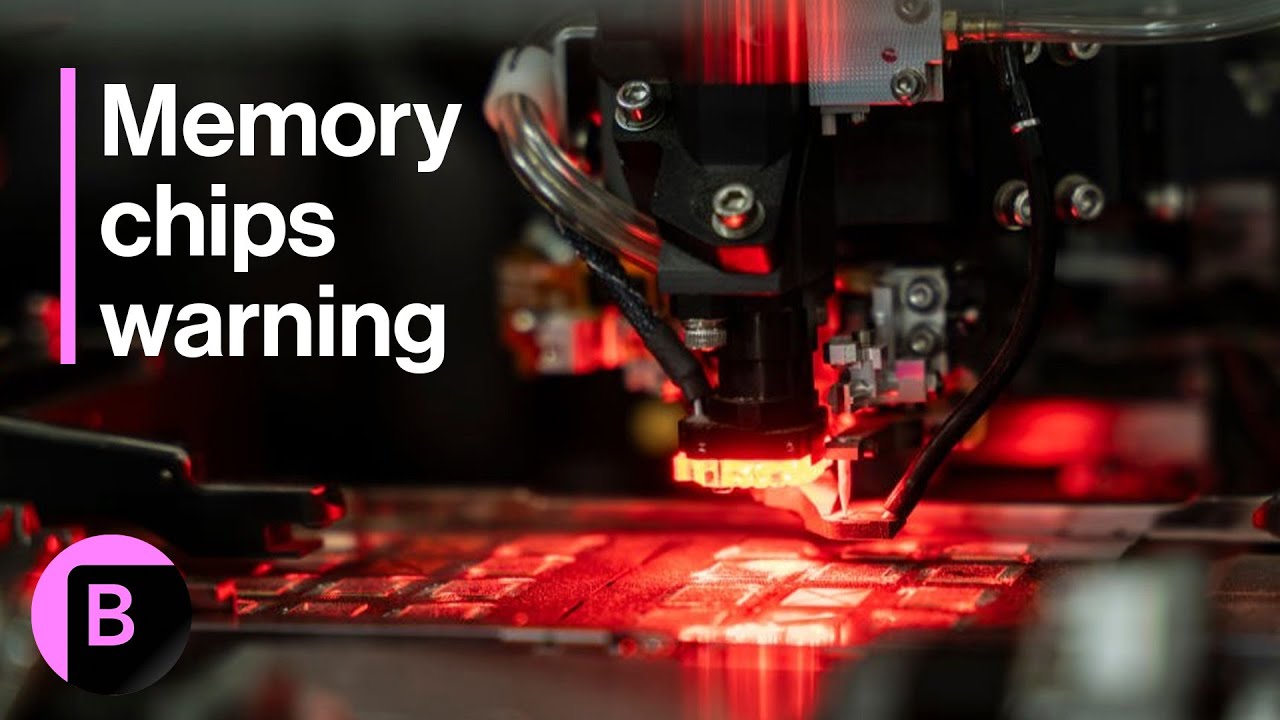
Some of the biggest names in technology, including Elon Musk and Tim Cook, are warning about an impending global memory chip crisis. They highlight that a shortage of memory chips is already starting to impact profits, disrupt corporate strategies, and drive up prices on a wide range of products, from laptops to cars. The situation is expected to worsen as demand for memory chips, especially those used in artificial intelligence (AI) applications, continues to surge.
Neil Kaplan, a Bloomberg senior strategist, explains that the latest AI chips require six to ten times more memory than previous generations, dramatically increasing consumption. This surge in demand is creating significant bottlenecks, as it takes three to five years to build new memory fabrication plants. Even major manufacturers like Samsung, which produces smartphones, PCs, and TVs, are feeling the negative effects. While they benefit from selling more chips, they also face challenges in meeting demand for their own products.
Other memory producers, such as SK Hynix, have echoed these concerns, warning that the shortage will likely get worse before it improves. The inability to quickly ramp up production to meet soaring demand is a major issue for the industry. Companies are struggling to deploy enough resources to keep up, and the supply chain is under increasing strain.
The crisis is also causing significant volatility in financial markets. Mentions of disruption due to the chip shortage have skyrocketed in corporate management calls, making investors nervous. This uncertainty has contributed to choppy markets in recent weeks, as investors try to assess how the shortage will impact various business models and company earnings.
Even companies outside the direct chip manufacturing sector are feeling the effects. For example, CBRE, a leader in commercial real estate, reported that it could use AI to reduce research costs by 25%. However, this announcement led to a drop in its stock price, as investors worried that external AI models could do the same work even more efficiently and cheaply. The rapid pace of innovation and the unknowns surrounding the chip shortage are making it difficult for companies and investors to keep up, adding to the overall sense of uncertainty in the market.