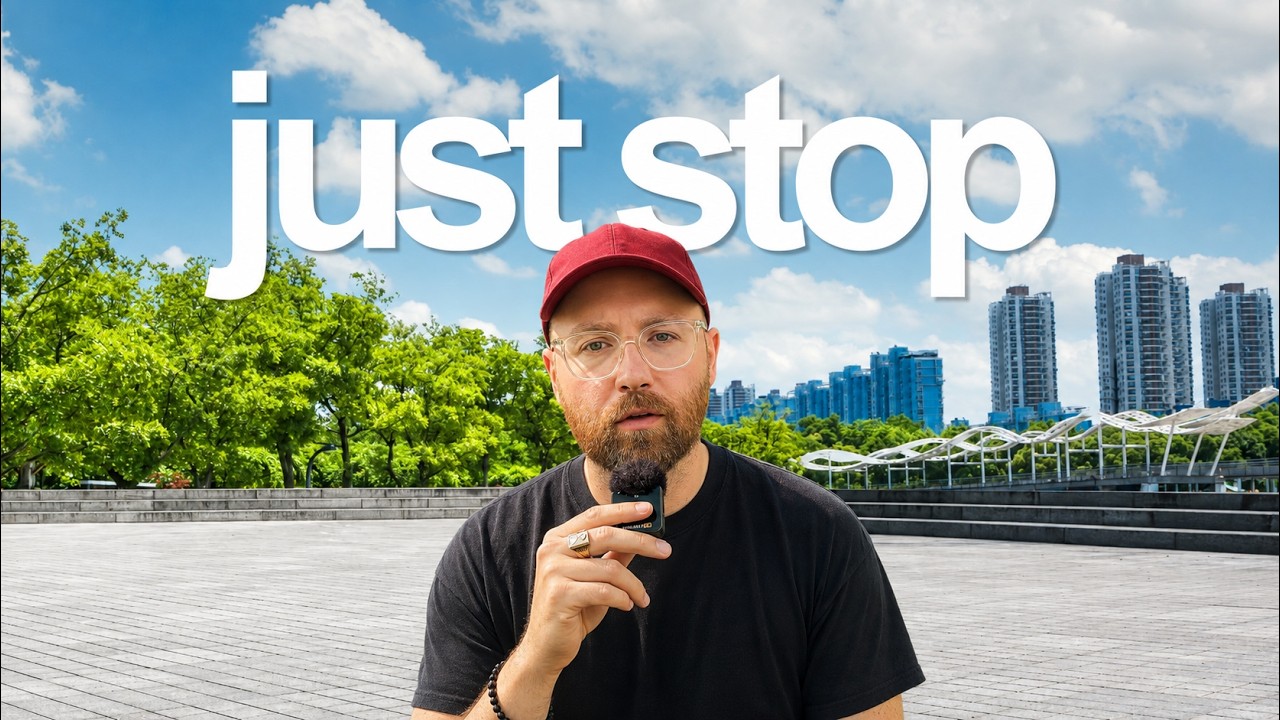
The creator reflects on the limited revenue from their SaaS product compared to higher earnings from consulting calls, realizing that leveraging their skills directly meets market demand more effectively than building unvalidated products. They decide to pause SaaS development temporarily to focus on consulting, emphasizing the importance of marketing, follow-up, and using automation tools like Omnisend to convert leads into sustainable income.
The creator reflects on the disparity between the time invested in building a SaaS product and the revenue it generated, noting that despite spending over a hundred hours on the SaaS, it only made $54. In contrast, a single consulting call lasting one hour earned $100. Although the creator aspires to be a SaaS entrepreneur focused on scalable products, they recognize that many of their projects remain unlaunched and unmarketed, essentially becoming a portfolio of unused ideas rather than profitable ventures. This realization highlights a common pitfall where builders focus on creating features without validating real market demand or monetization strategies.
The creator admits to missing the fact that actual demand lies in their skills and expertise rather than the products themselves. They recount multiple leads from people willing to pay for consulting, which they initially resisted due to a desire to be seen solely as a builder. This resistance led to missed opportunities to engage with paying clients and learn from real-world problems. The creator critiques the myth of effortless SaaS success popularized by indie hackers, emphasizing that building a product is only part of the challenge; marketing and selling are equally crucial, especially in a competitive market where only a few survive.
A significant insight shared is the importance of marketing and follow-up in converting opportunities into revenue. The creator points out that many entrepreneurs have a follow-up problem rather than a lack of opportunities, with numerous potential clients left uncontacted. They introduce Omnisend, a tool that automates email and SMS marketing by integrating with AI to manage customer data and follow-ups efficiently. This sponsorship underscores the value of automation in addressing the action gap that many businesses face, enabling better engagement with leads and customers.
The creator discusses their personal apprehensions about consulting, such as the fear of being tied to schedules, dealing with unknown clients, and feeling like an imposter. However, their first paid consulting call proved valuable, revealing that they possess more knowledge than they initially believed and can provide meaningful assistance. Consulting also offers a pathway to identify repeatable problems that could eventually be transformed into scalable SaaS solutions. This approach contrasts with building products without validated demand, suggesting that consulting can be a more immediate and reliable revenue stream.
In conclusion, the creator decides to pause unpaid SaaS development for 30 days to focus on consulting by following up on existing leads and seeking new ones. They plan to track their progress, revenue, and enjoyment of consulting work while sharing their experiences with their audience. This shift represents a strategic pivot from product building to service provision, aiming to leverage their expertise for sustainable income and better understand market needs before potentially returning to SaaS development. The creator encourages viewers to engage with their content for ongoing insights and lessons learned.