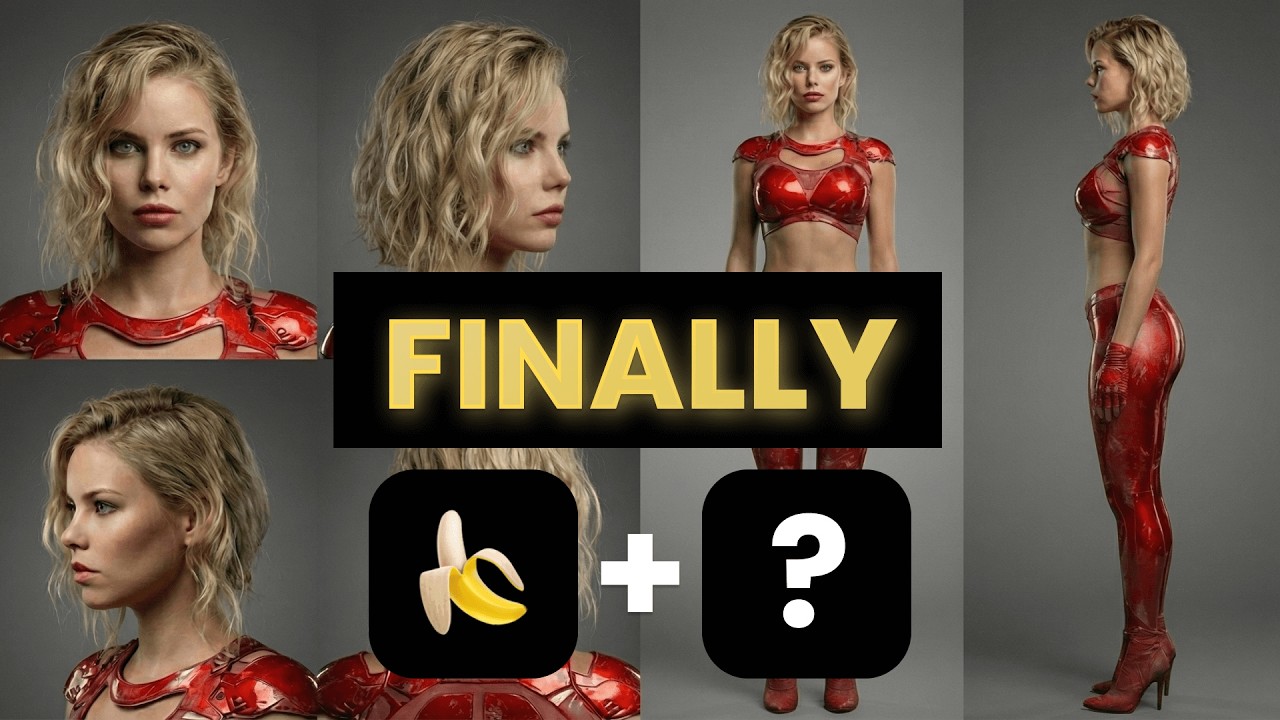
The video introduces a powerful and simplified method for achieving perfect character consistency in AI-generated images and videos, using a specific prompt system. The creator demonstrates how this approach, tested across various complex scenarios such as facial tattoos, scars, and unique piercings, delivers highly consistent results. By using a well-defined prompt, users can generate comprehensive character sheets that display their character from multiple angles and close-ups, providing excellent references for further creative work. The method is compatible with all major image models and platforms, including Nano Banana 2, Nano Banana Pro, Gemini, and Google Flow, with a preference for Flow due to its visual creation capabilities.
The process begins by either creating an original character or using an existing reference image, with Midjourney recommended for its aesthetic quality. After uploading the reference, users copy a detailed prompt from the provided guide, which specifies the desired poses and style—ensuring hyperrealism rather than a 3D render look. The system typically generates four outputs, allowing users to select the best result. If the output is cropped or incomplete, the prompt can be refined to ensure full-body visibility. Upscaling options are available for higher resolution images, and the method proves effective even with animated or non-human characters.
The video further explores advanced use cases, such as adding complex artifacts like scars and tattoos, and demonstrates how the system maintains consistency across all generated images. For video creation, the creator suggests two approaches: using the character reference as an ingredient in Google Flow’s “ingredients to video” feature, or generating a new image as the first frame for more control over the video’s output. This method allows for seamless integration of characters into dynamic scenes and interactions, such as two characters conversing on a cinematic bridge.
Customization is another key feature, with the ability to change lighting, outfits, and even age the characters. The creator shows how to use both text and image prompts to alter a character’s appearance, including outfit changes by referencing specific clothing images. The system can also convincingly age characters for flashbacks or flash-forwards, and even create time-lapse transformations by generating images at different ages and animating between them. These capabilities open up new possibilities for storytelling and character development in AI filmmaking.
Finally, the video highlights the potential for monetizing AI-generated content, emphasizing the rise of digital personas and AI influencers. The creator introduces FanView, a platform designed for AI-first influencers, and discusses how early adopters can leverage this trend for significant opportunities. The video concludes by recapping the benefits of the prompt system for character consistency, encouraging viewers to download the free prompts provided, and inviting them to explore further cinematic AI filmmaking techniques in related content.