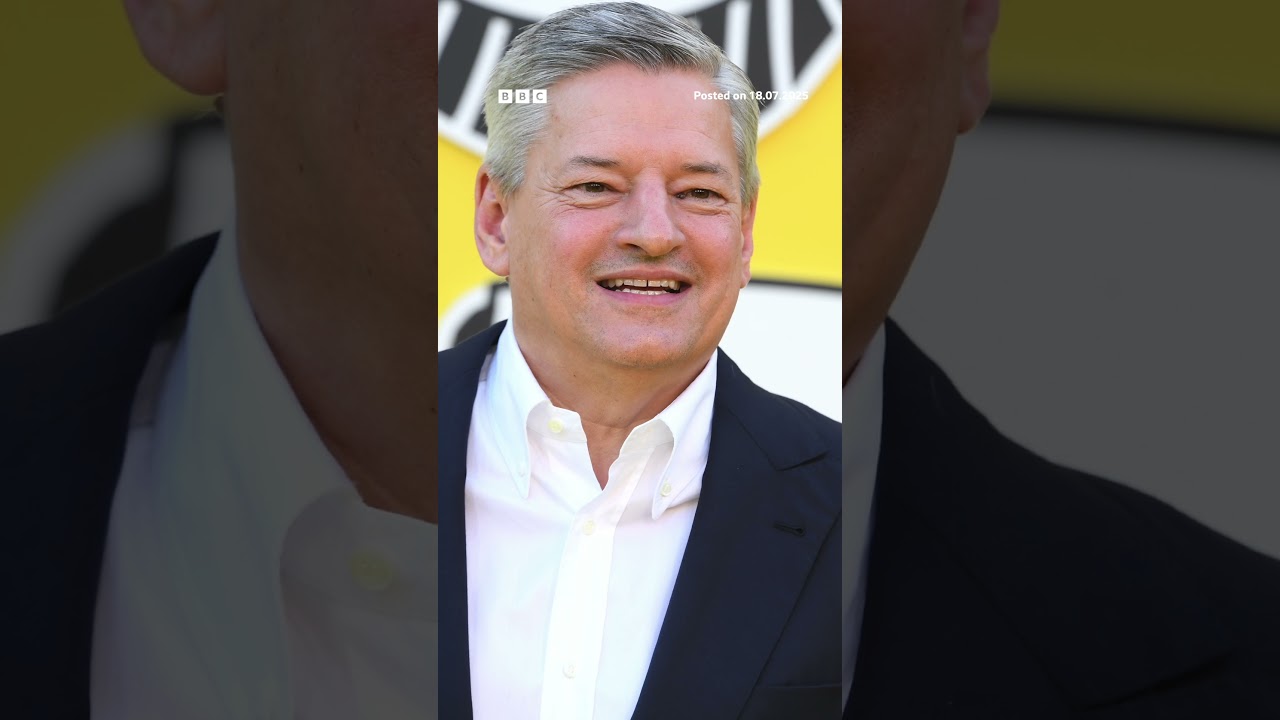
Netflix has used AI for the first time to create visual effects in a building collapse scene, enabling faster and more cost-effective production while making high-quality visuals accessible to smaller-budget shows. Despite ongoing industry concerns about AI’s impact on jobs and creativity, its use is expanding in filmmaking, including performance enhancement, demonstrating its growing role in entertainment.
Netflix has utilized artificial intelligence (AI) for the first time to create visual effects in one of its original productions, specifically in a scene depicting a building collapsing. This marks a significant milestone in the entertainment industry, showcasing how generative AI can be integrated into high-profile projects to enhance visual storytelling. The use of AI in this context demonstrates the growing influence of advanced technologies in film and television production.
Ted Sarandos, one of Netflix’s CEOs, highlighted the benefits of employing AI in visual effects. He explained that the technology enabled the production team to complete complex sequences more quickly and at a reduced cost. This efficiency gain is particularly important in an industry where time and budget constraints often limit creative possibilities. By leveraging AI, Netflix can streamline workflows and allocate resources more effectively.
Moreover, Sarandos noted that AI technology has democratized access to advanced visual effects, allowing smaller-budget shows to incorporate high-quality visuals that were previously out of reach. This development opens up new opportunities for diverse storytelling and innovation across a broader range of productions. Creators involved in these projects have expressed enthusiasm about the results, indicating a positive reception to AI-assisted visual effects.
The introduction of AI in Hollywood has not been without controversy. The 2023 Hollywood strike included significant concerns about the use of AI, particularly regarding its impact on jobs and creative control. Although a deal was reached to regulate AI’s use, many studios continue to experiment with the technology cautiously. The ongoing dialogue reflects the industry’s efforts to balance innovation with ethical and professional considerations.
In addition to visual effects, AI has been used in other aspects of filmmaking, such as performance enhancement. For example, actor Adrien Brody won an Oscar for Best Actor after using AI to fine-tune his Hungarian accent in the film “The Brutalist.” This illustrates the broader potential of AI to support artists and creators in achieving more authentic and polished performances, further integrating technology into the creative process.