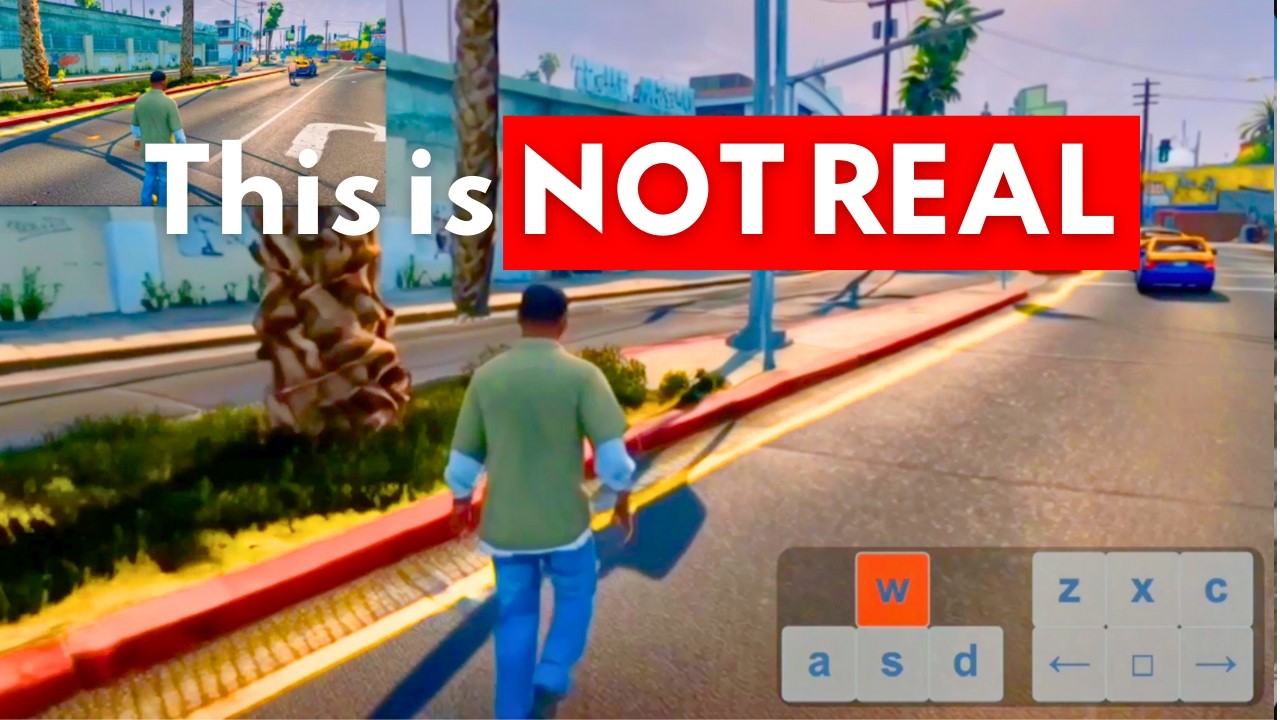
The video compares the new Chinese AI YAN, developed by Tencent for immersive, game-focused simulations, with Google’s Genie 3, which specializes in real-world video-based training environments, highlighting their distinct applications and data training sources. It also discusses the transformative potential and societal implications of AI-driven simulation technologies, while urging viewers to remain cautious of demo hype and consider the future impact on content creation and employment.
The video discusses the emergence of a new Chinese AI called YAN, which is positioned as a competitor to Google’s Genie 3. While Genie 3 focuses on creating interactive real-world simulations based on video data, YAN is primarily centered around game-like environments and gamification. Genie 3 allows users to navigate and interact within simulated worlds, which can be used for training AI agents in real-world tasks such as medical or emergency response training. This approach leverages real-world video data to create realistic simulations that help AI agents learn to perform tasks using computer vision.
YAN, developed by the large Chinese company Tencent, offers a similar concept but with a distinct focus on AAA-level game simulations. It can generate interactive environments from images and text prompts, allowing users to modify and expand these worlds in real time. The AI behind YAN supports diverse scenario simulations, infinite-length gameplay, and multimodal generation, combining text, visuals, and action-based controls. This makes it particularly appealing for game developers, as it can automate the creation of complex game assets and environments, significantly speeding up the game development process.
A key difference highlighted is the type of data each AI is trained on: Genie 3 uses real-world video data, while YAN is trained primarily on game data. This distinction influences their applications, with Genie 3 leaning towards practical real-world simulations and YAN focusing on immersive gaming experiences. The video also touches on the potential for AI-trained agents to be integrated into physical robots, raising questions about the future impact of such technologies on jobs and society.
The presenter cautions viewers to be skeptical of AI demos, noting that while the showcased capabilities are impressive, demos often serve to generate hype and attract investment. The reality of these technologies may lie somewhere between the demo presentations and current practical applications. Despite this, the advancements in AI-driven simulation and game creation are seen as transformative, particularly in lowering the barriers to entry for content creation and prototyping in gaming and other fields.
Finally, the video reflects on the broader implications of these AI developments, especially in gaming and content creation. The lowering of entry barriers means more people can create and participate, which raises the overall standards and expectations. However, concerns remain about the proliferation of low-quality AI-generated content (“AI slop”) and the societal impact of increasingly human-like robots. The presenter invites viewers to consider these issues and share their thoughts on the future of AI in gaming and beyond.