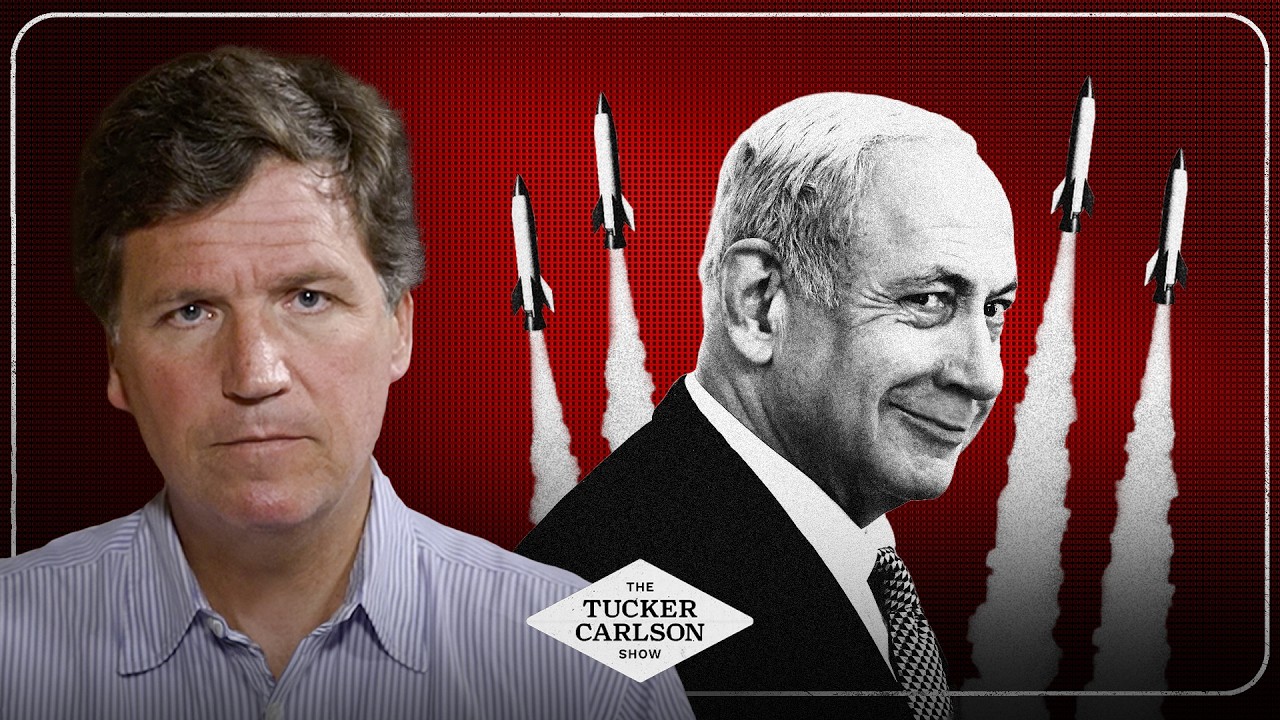
The video features a discussion between the host and former Colonel Douglas Macgregor about the rapidly evolving global situation following the outbreak of war involving Iran, Israel, and the United States. The host highlights the complexity and opacity of the conflict, noting widespread censorship by governments and social media platforms, which makes it difficult for the public to access accurate information about casualties, military actions, and the broader impact of the war. The closure of the Strait of Hormuz by Iran has caused significant disruptions to global energy markets and economies, further amplifying the stakes of the conflict.
A central theme is the unprecedented partnership between the United States and Israel in this war, with Israel wielding significant decision-making authority. The conversation explores how this differs from previous U.S. military engagements, where allies like NATO members had less influence. The host and Macgregor express concern that the U.S. is being drawn into a conflict that serves Israeli interests, potentially at the expense of American lives and global stability. They also discuss the risk of escalation, including the possibility of nuclear proliferation, as more countries may seek nuclear weapons for deterrence in light of the current conflict.
The use of advanced technology and autonomous weapons, such as AI-driven bombings, is scrutinized, especially following incidents like the bombing of a girls’ school in Iran. Both speakers stress the importance of maintaining moral standards and transparency, arguing that accidental or AI-driven attacks on civilians undermine the legitimacy and honor of the United States. They warn against collective punishment and emphasize the Western tradition of individual accountability, contrasting it with what they describe as Israel’s more collective approach to warfare.
Macgregor provides historical context, referencing past U.S. military actions and the dangers of unchecked power and hubris. He argues that the current strategy of bombing Iran into submission is unlikely to succeed and may instead lead to prolonged conflict, regional destabilization, and global economic fallout. He suggests that the U.S. should seek a diplomatic off-ramp, possibly through a neutral mediator like India’s Prime Minister Modi, to prevent further escalation and catastrophic consequences, including the potential use of nuclear weapons by Israel if it feels existentially threatened.
The discussion concludes with reflections on the broader implications for American governance and society. Both speakers express concern that the U.S. political and military system is failing to serve the interests of ordinary Americans, being overly influenced by powerful lobbies and foreign interests. They warn that continued escalation could lead to economic disaster and a crisis of legitimacy for the U.S. government, potentially prompting structural changes in the aftermath. The conversation underscores the urgent need for restraint, honesty, and a renewed focus on justice and national interest to avoid a global catastrophe.