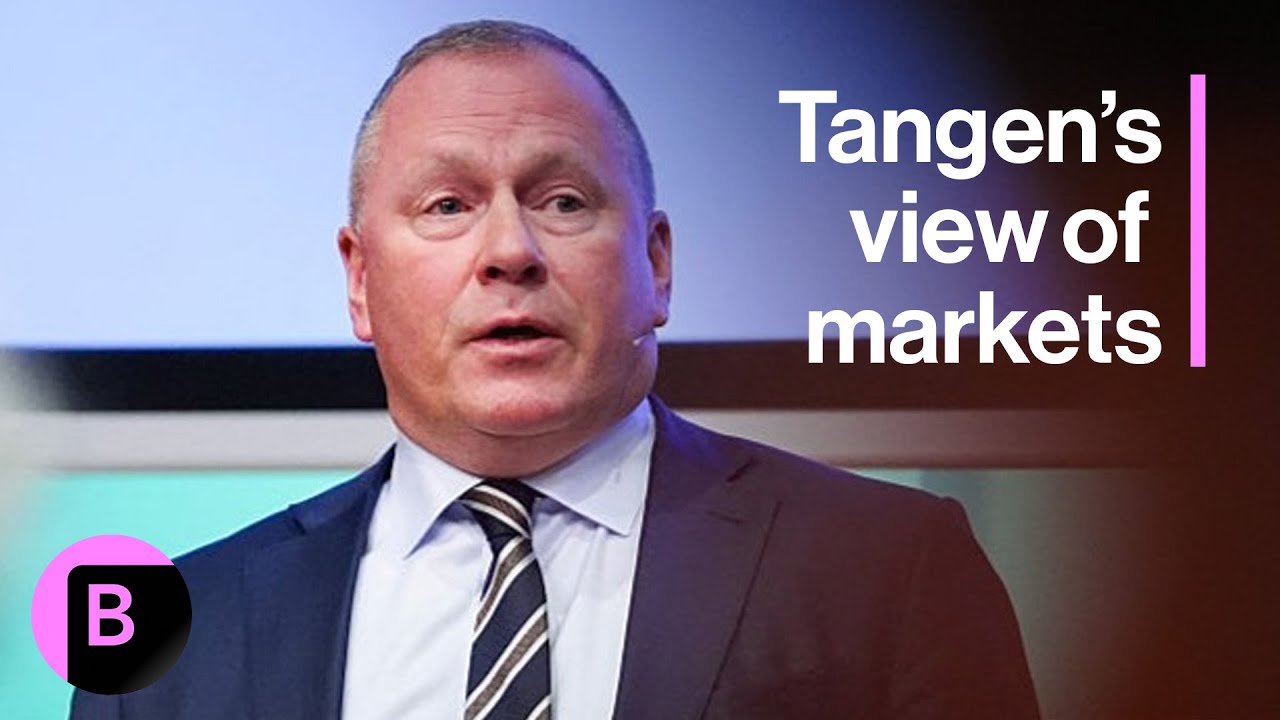
Nicolai Tangen, CEO of Norway’s Wealth Fund, discusses the current market dynamics, highlighting the surprising resilience of equities despite inflation concerns and geopolitical tensions, particularly in the Middle East. He notes that while inflation typically unsettles markets, the deflationary potential of artificial intelligence (AI) is currently balancing these pressures. Tangen emphasizes the significant productivity gains his organization has experienced through AI, though he acknowledges the uncertainty around whether these benefits are fully reflected in market valuations.
Regarding investment strategy, Tangen stresses the importance of a disciplined, long-term approach given the fund’s massive size of $2.2 trillion. He points out that sometimes the inability to move quickly can be advantageous, preventing impulsive decisions during volatile periods. He also observes that many investors tend to underperform by overtrading, suggesting that patience and diversification are key to managing risk amid ongoing geopolitical and economic uncertainties.
On the topic of inflation and disinflation, Tangen explains the complex interplay between rising energy prices due to geopolitical conflicts and the productivity-driven deflationary effects of AI and automation. He foresees significant job displacement in sectors like law, accounting, and consulting but believes this shift could ultimately lead to a more efficient and thoughtful workforce. The net impact on inflation remains uncertain, as these opposing forces continue to influence the global economy.
Tangen also addresses concerns about private markets, noting early signs of stress but no evidence of systemic risk at present. He underscores the importance of sustainability and ESG (Environmental, Social, and Governance) principles, arguing that sustainable business practices are financially prudent and essential for long-term investment success. The energy crisis has led to a mixed response, with some reverting to fossil fuels while renewable energy infrastructure investments are accelerating, reflecting a complex but evolving energy landscape.
Finally, Tangen reflects on broader global trends, including the rapid technological advancements and innovation emerging from China, which pose both challenges and opportunities for global investors. He highlights the need to view the world through a “kaleidoscope,” recognizing the multifaceted and rapidly changing nature of geopolitics, technology, and markets. Despite uncertainties, he remains cautiously optimistic, emphasizing adaptability and a broad perspective as crucial for navigating the future.