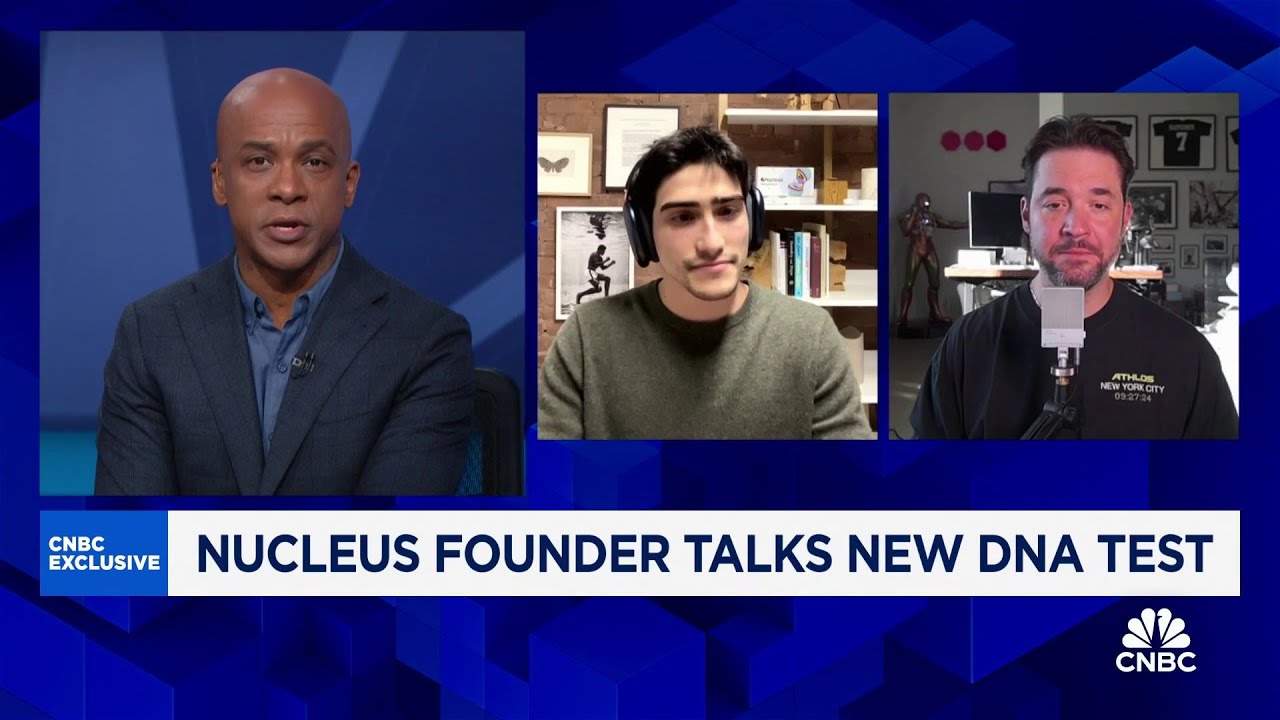
In a recent interview, Kian Sadeghi, CEO of Nucleus, and Alexis Ohanian discussed the transformative role of AI in gene mapping and editing, emphasizing how decreasing costs of genome sequencing could lead to personalized healthcare and improved health outcomes. They highlighted Nucleus’s commitment to providing comprehensive genomic data while ensuring consumer trust and data security, paving the way for advancements in personalized medicine.
In a recent interview, Kian Sadeghi, CEO of Nucleus, and Alexis Ohanian, co-founder of Reddit and founder of 776, discussed the transformative potential of AI in gene mapping and gene editing. Nucleus recently closed its Series A funding round, attracting significant investments from notable firms. Ohanian emphasized the timing of their investment, highlighting the dramatic decrease in the cost of sequencing a human genome, which has fallen to a few hundred dollars. He believes that Nucleus is at the forefront of a technological shift that will enable healthier and longer lives through better understanding of genetics.
Sadeghi elaborated on the advancements that Nucleus is making in the field of genomics. He pointed out that traditional services like 23andMe could only analyze a small fraction of DNA due to high costs, limiting their ability to provide meaningful health insights. In contrast, Nucleus aims to offer comprehensive genomic data that can inform individuals about their health, family planning, and personalized medicine. He reassured viewers about the security of genetic data, noting that Nucleus operates as a medical provider with stringent privacy policies.
Ohanian also touched on the broader implications of AI in healthcare, particularly in terms of efficiency and data utilization. He noted that the open-source nature of AI technologies allows for collective advancements in the field, which could lead to significant improvements in healthcare delivery. The ability to analyze vast amounts of genomic data with advanced AI models could revolutionize how medicine is prescribed, making it more personalized and effective.
Both Sadeghi and Ohanian acknowledged the challenges surrounding consumer trust in sharing genetic information. Sadeghi emphasized that Nucleus empowers individuals with control over their data, ensuring that they can choose what to share and with whom. He mentioned the Genetic Information Nondiscrimination Act, which protects individuals from discrimination based on genetic data, aiming to alleviate concerns that might prevent people from undergoing genetic testing.
In conclusion, the conversation highlighted the exciting potential of AI in genomics and the role of Nucleus in leading this transformation. With decreasing costs of genome sequencing and advancements in AI, the future of personalized healthcare looks promising. Both leaders expressed optimism about the ability to unlock new insights from genetic data, ultimately improving health outcomes and making healthcare more accessible and tailored to individual needs.