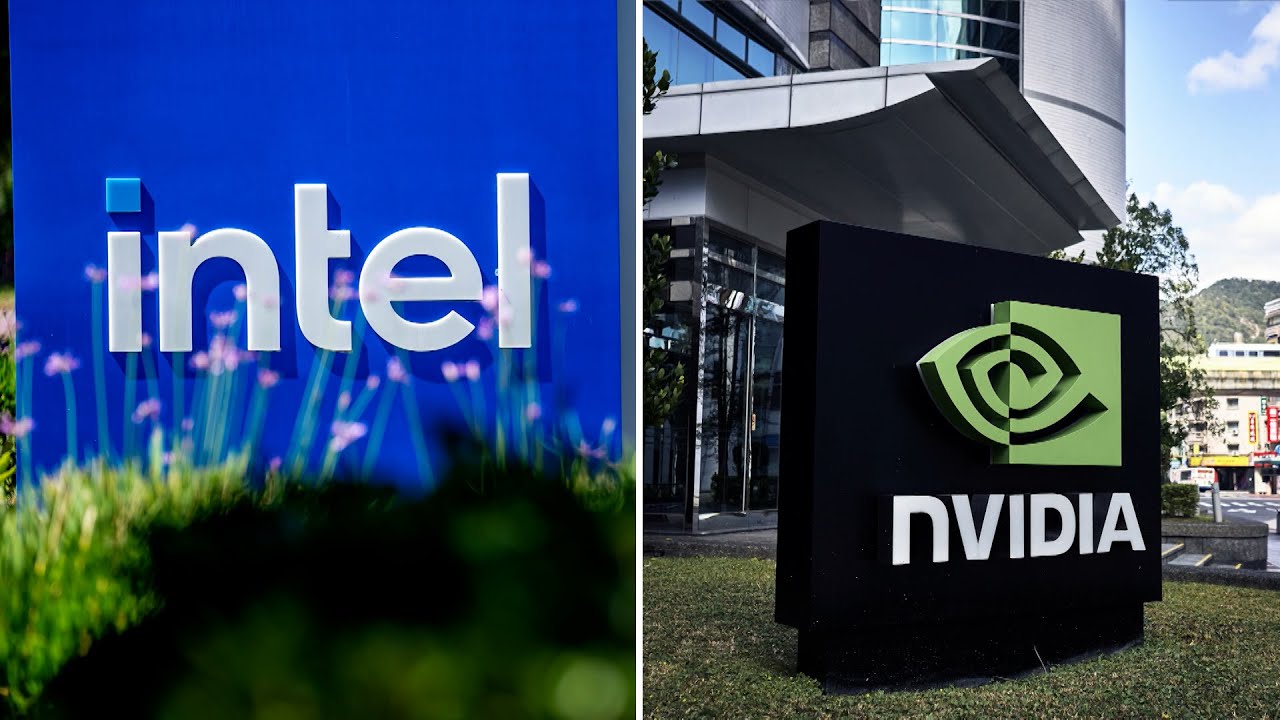
The recent Nvidia and Intel deal is creating competitive pressure in the semiconductor industry, particularly impacting AMD and ARM. AMD faces increased competition from Intel, especially in the PC desktop market, but more importantly in the data center space where AMD has been gaining market share with its server processors. Intel’s partnership with Nvidia strengthens its position, potentially slowing AMD’s momentum. For ARM, which licenses technology for many non-x86 server processors, the deal introduces uncertainty about future market share, as Intel and Nvidia’s collaboration could shift dynamics in the data center market.
Despite ARM’s close relationship with Nvidia, the partnership between Intel and Nvidia adds complexity. SoftBank, which owns a significant stake in ARM, also invested $2 billion in Intel, likely viewing this as a diversification strategy across the semiconductor industry rather than a bet on a single company. This move is seen as a positive development for the broader semiconductor sector, strengthening Intel as a leading domestic logic supplier and allowing Nvidia to expand its presence in the data center market.
The collaboration between Intel and Nvidia also changes the competitive landscape of underlying processor architectures. Previously, Nvidia offered ARM-based Grace CPUs alongside its GPUs, but now with Intel’s x86 server processors in the mix, customers gain more flexibility to run workloads across different environments. Although Intel has struggled recently, it still holds the largest market share in server chips, and this partnership could help it regain ground. Meanwhile, AMD faces pressure not only from Intel and Nvidia but also from companies like Broadcom and Marvell in the custom ARM chip space, an area where AMD currently lacks offerings.
Investor sentiment is mixed regarding whether to buy into Intel’s stock after its recent surge. While momentum and quantitative funds may chase the stock, the key question is whether mutual funds will follow, as Intel is a major benchmark holding. Many investors currently underweight Intel, so the stock’s continued rise may force them to buy in. The broader semiconductor sector has seen strong gains, with most chip stocks rising except for AMD and ARM, and equipment makers like ASML also benefiting from increased demand driven by AI and data center growth.
Looking ahead, the semiconductor rally’s sustainability depends on upcoming earnings reports and guidance expected in October. The sector has experienced an epic run, fueled by growing demand for memory and compute capacity driven by AI models from companies like OpenAI and Anthropic. This demand is putting pressure on chipmakers and equipment suppliers to increase production. While the current outlook is positive, investors will be closely watching whether companies can meet expectations to maintain the momentum in this highly competitive and rapidly evolving industry.