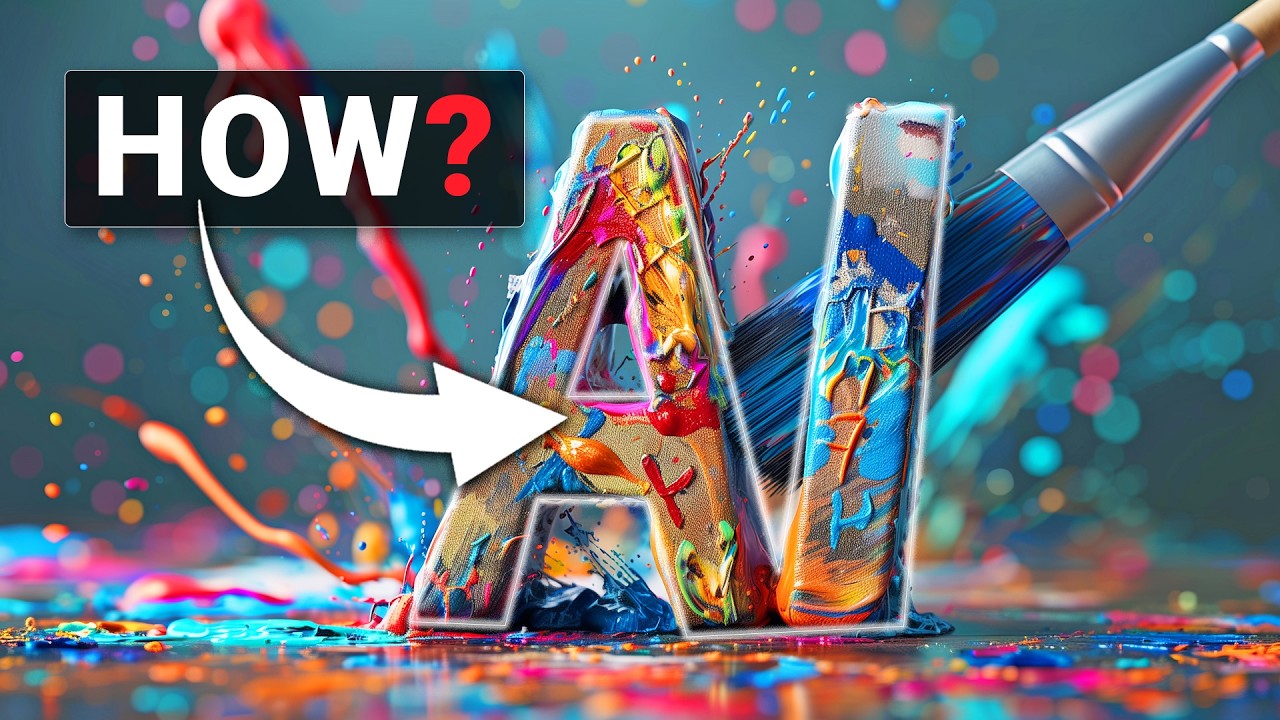
In the video “NVIDIA’s Crazy New AI Paints With Images,” Dr. Károly Zsolnai-Fehér presents a novel AI technique that allows users to create art by integrating images directly, using diffusion-based methods to transform noise into coherent images. This innovative approach enhances creativity by providing dynamic, diverse results while overcoming limitations of traditional image tiling, and it holds promise for future applications in AI-assisted art creation.
In the video titled “NVIDIA’s Crazy New AI Paints With Images,” Dr. Károly Zsolnai-Fehér introduces an innovative AI technique for painting that diverges from traditional methods. Instead of using brushes and colors, this technique allows users to create art by incorporating images directly into their painting process. The concept revolves around a diffusion-based AI that generates images from noise, gradually transforming that noise into a coherent image. This new approach seeks to enhance creativity by leveraging existing images rather than relying solely on conventional painting tools.
One of the challenges addressed in this technique is the repetitive nature of simply tiling images across a canvas. The video showcases how this new method overcomes that limitation, producing more dynamic and diverse results. For instance, when painting a landscape with a hut, the AI can intelligently adjust the integration of new elements, such as adding a rocky road, without making the composition feel monotonous. This flexibility allows for a more engaging creative process, providing users with the ability to manipulate and blend images seamlessly.
Dr. Károly compares this innovative technique to previous methods, highlighting three key advantages. First, it tiles images more effectively, especially when dealing with unseen elements. Second, it excels in maintaining consistency, even when drawing lines that may deviate slightly from their intended paths. Lastly, this technique offers the versatility to draw with nearly any image, which significantly expands creative possibilities for users who may not be skilled artists.
While the results produced by this AI technique may not reach the level of a trained human artist, the potential for future applications is vast. Dr. Károly envisions the integration of this workflow with powerful text-to-image AI tools, where users can refine their artwork further. By taking the initial AI-generated output and using it as a guideline, artists could enhance their creations, resulting in more polished final products.
The video concludes with an invitation for viewers to explore these exciting developments in AI-assisted art creation. Dr. Károly encourages fellow scholars to share their thoughts on potential uses for this technology in the comments section. He also mentions that more detailed comparisons with previous techniques are available in the video description, and expresses hope that the code for this AI will soon be accessible, making these creative tools available to a broader audience. Overall, the video emphasizes the empowering nature of this technology and its ability to foster creativity.