Nvidia has begun shipping its Vera Rubin AI chips to major companies, with deployments progressing smoothly and faster than expected, aided by robotic assembly that significantly reduces setup time. Meanwhile, Intel is restructuring its operations to cut costs and improve competitiveness as both companies respond to growing demand for advanced AI computing hardware.
Nvidia has begun shipping accelerated computing systems based on its new Vera Rubin platform to major AI companies, and these systems are starting to run workloads. This rollout has been closely watched by investors and analysts, with some skepticism about potential delays or issues. However, Nvidia is actively addressing these concerns, emphasizing that the rollout is progressing smoothly and faster than expected.
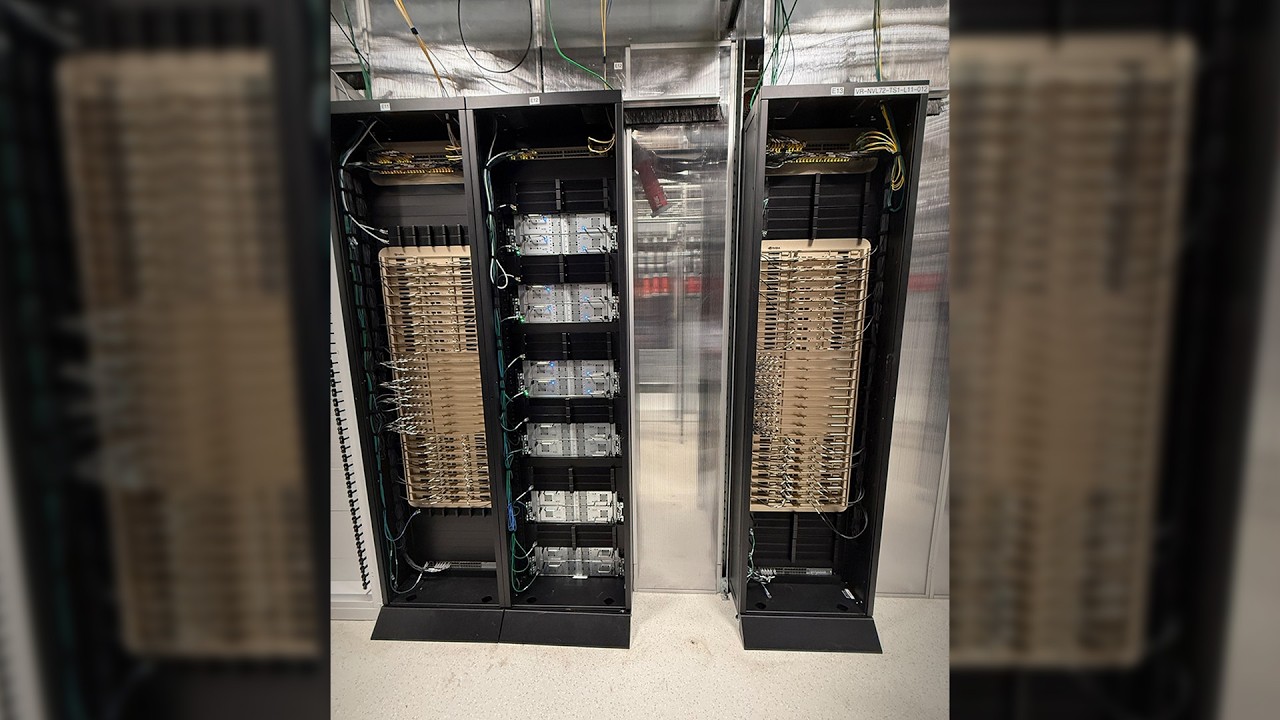
During a recent visit to Nvidia’s headquarters in Santa Clara, Bloomberg’s King spoke with Ian Buck, head of Nvidia’s data center business, who provided an inside look at the Vera Rubin deployment. Buck and his team took the visitors to a confidential location to showcase a rack of servers equipped with NV 7272 Rubin GPUs, which are already operational and in full production. This demonstration was intended to dispel rumors about material shortages or technical problems that might have delayed the rollout.
Nvidia highlighted significant improvements in the assembly and deployment process of these systems. What previously took hours and was prone to human error can now be completed by robots, drastically reducing setup time. The company claims that from delivery at a data center dock to being fully operational, the process now takes only tens of minutes, underscoring their commitment to accelerating deployment and meeting market demand efficiently.
In addition to Nvidia’s updates, the chip industry is seeing positive momentum, with Intel experiencing a strong day in the market. Intel has been actively restructuring its operations, including rightsizing and streamlining divisions to reduce costs. The company has already cut tens of thousands of jobs and plans further redundancies, particularly within its data center group, to position itself as a leaner and more competitive player in the chip market.
Overall, Nvidia’s Vera Rubin platform rollout appears to be on track and gaining traction among AI companies, countering earlier doubts. Meanwhile, Intel continues to adjust its business strategy to maintain competitiveness amid industry shifts. Both companies are navigating challenges and opportunities as demand for advanced AI computing hardware grows rapidly.