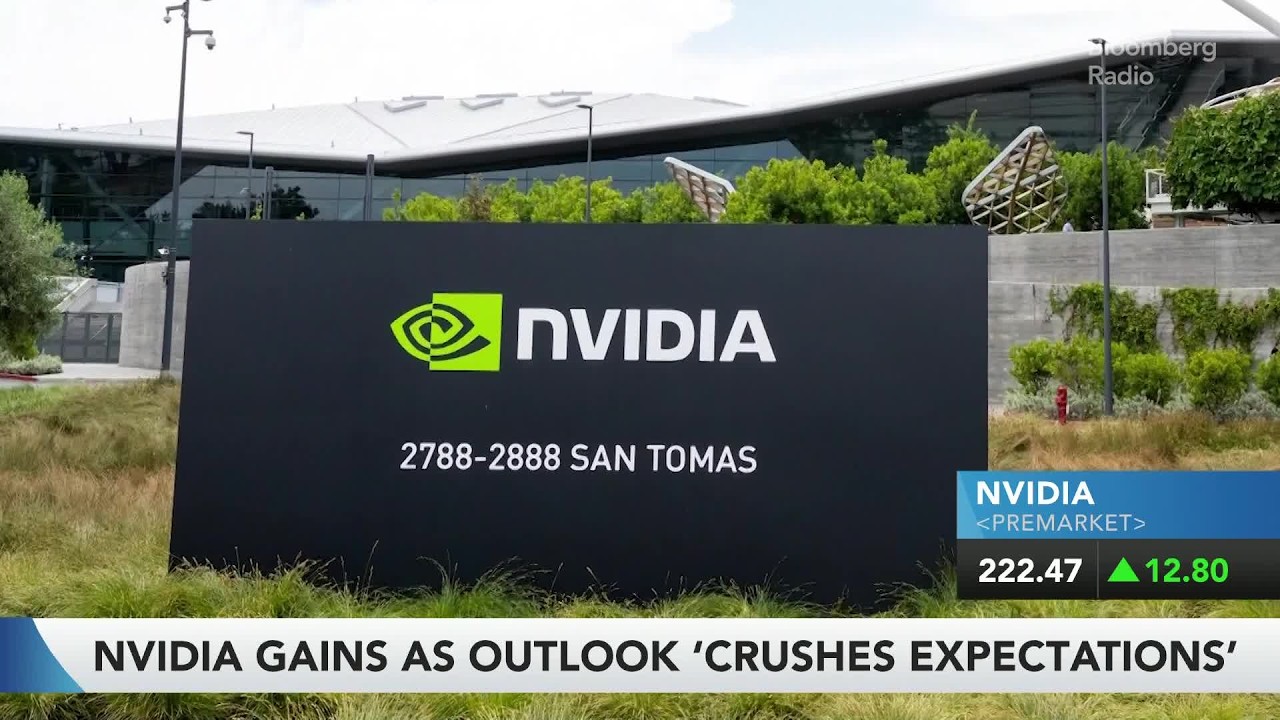
Nvidia is projecting a significant 70% revenue growth next year, driven primarily by increased spending from hyperscalers, which is expected to reach about $1.3 trillion—$200 billion above previous forecasts. Beyond hyperscalers, emerging players like neo clouds and companies associated with Elon Musk are growing even faster, helping diversify Nvidia’s customer base. Additionally, the content growth story continues to exceed expectations, further bolstering Nvidia’s bullish outlook. Although margin pressures exist, planned price increases in 2027 are expected to stabilize margins and support the robust growth trajectory.
Concerns remain about Nvidia’s dependence on a relatively small group of large tech customers, particularly hyperscalers, some of whom are developing their own in-house chips that could reduce Nvidia’s market share. However, Nvidia is working to diversify its customer base, aiming for a more balanced 50-50 split between hyperscalers and other customers next year. While hyperscaler growth may slow to around 50%, non-hyperscaler segments like neo clouds are expected to grow at rates closer to 90-100%, which could help mitigate concentration risks.
Nvidia’s strategy includes supporting its ecosystem by reinvesting substantial free cash flow into infrastructure and development, which helps lower capital costs for customers and fosters growth in the AI infrastructure space. This approach, while beneficial, carries risks such as potential overcapacity if demand does not meet expectations. Nonetheless, Nvidia’s scale, software ecosystem (including CUDA), and financial strength provide a competitive advantage that supports its leadership in the AI hardware market.
Regarding the Chinese market, Nvidia currently generates less than 1% of its data center revenue from China due to U.S. restrictions, meaning there is significant upside potential if access improves. However, geopolitical and regulatory challenges make it uncertain when or if Nvidia will be able to expand its presence in China. For now, Nvidia’s growth is largely driven by markets outside China, but future access to the Chinese market could become increasingly important as growth in the U.S. slows.
The biggest competitive threat to Nvidia is not primarily from other chipmakers like AMD or Broadcom but from its own customers developing internal chips. While Nvidia will continue to supply servers, the shift toward in-house chip development by hyperscalers could slow Nvidia’s growth and lead to market maturation. Meanwhile, competitors like AMD are ramping up new products such as Helios, which could intensify competition in the coming years. Overall, Nvidia faces both opportunities and challenges as it navigates a rapidly evolving AI hardware landscape.
Useful Links