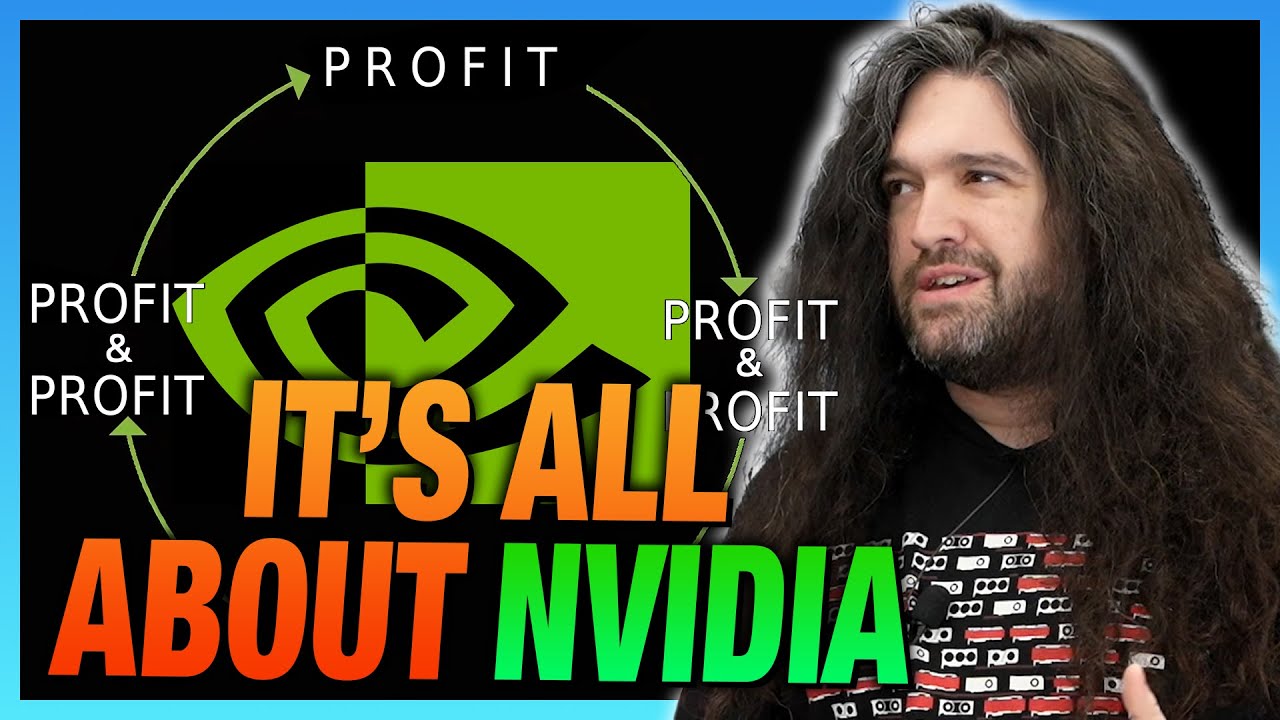
Nvidia’s Consumer Electronics Show (CES) keynote, led by CEO Jensen Huang, was a 93-minute presentation that focused heavily on artificial intelligence (AI), data centers, and enterprise solutions, with very little actual consumer news. The keynote was filled with corporate jargon and lighthearted moments, including jokes about the physical demands of being a CEO and playful interactions with pet robots. Despite the event’s consumer-oriented branding, Nvidia’s announcements were almost entirely aimed at business-to-business (B2B) and enterprise customers, highlighting the company’s shift away from its gaming roots and toward AI infrastructure and data center technologies.
The main technical highlight was the introduction of the Vera Rubin platform, Nvidia’s next-generation AI supercomputer solution. This platform combines six new chips: the Vera CPU, Rubin GPU, NVLink 6 switch, ConnectX-9 SuperNIC, BlueField-4 DPU, and Spectrum-6 Ethernet switch. The Vera CPU boasts 88 cores and 176 threads, while the Rubin GPU features up to 288 GB of HBM4 memory per GPU. The system is fully liquid-cooled, with a modular design that simplifies assembly and improves efficiency. Nvidia claims significant improvements in AI training and inference performance, as well as enhanced memory bandwidth and network capabilities, though these advancements are targeted at large-scale data centers rather than individual consumers.
Throughout the keynote, Nvidia emphasized the massive financial opportunities in AI, repeatedly referencing trillions of dollars in industry transformation and the growing demand for AI infrastructure. The company showcased partnerships with major players like Palantir, OpenAI, Microsoft, and Tesla, positioning itself as the backbone of the global AI economy. However, the presentation also touched on the environmental impact of data centers, such as increased water and power consumption, though these concerns were largely glossed over in favor of promoting Nvidia’s technological leadership and profitability.
Consumer-focused news, particularly for gamers, was notably absent from the keynote. Updates relevant to gaming, such as the release of DLSS 4.5 (which introduces an improved transformer model and dynamic multi-frame generation), RTX Remix modding tools, and GeForce Now changes, were not mentioned during the main event. Instead, these announcements were relegated to separate videos and press releases. The video’s narrator criticized Nvidia for sidelining the gaming community that helped build the company, suggesting that the company now views gaming as less important than its AI and enterprise ventures.
In summary, Nvidia’s CES keynote was more of a showcase for investors and enterprise partners than for consumers or gamers. The company’s focus has clearly shifted toward AI infrastructure, data centers, and B2B solutions, with consumer news taking a back seat. While Nvidia continues to innovate in hardware and software, the benefits of these advancements are increasingly reserved for large-scale enterprise customers. The video concludes with a critical tone, highlighting the disconnect between Nvidia’s public presentations and the interests of its original consumer base, and suggesting that viewers need not watch the keynote themselves, as it offered little of substance for everyday users.