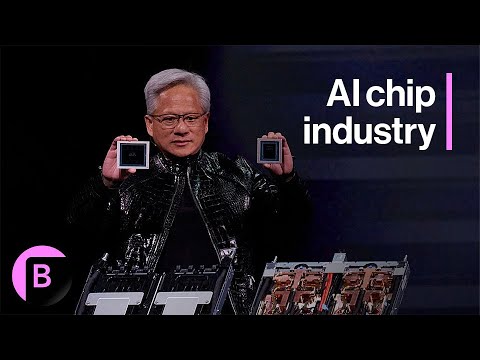
Nvidia recently unveiled its new Rubin platform, which includes CPUs, GPUs, and advanced networking integrated circuits. The company highlighted the rapid growth in AI model sizes, noting that they are increasing by about ten times each year, or five times per generation. Nvidia’s Rubin platform is designed to handle these escalating computational demands, positioning the company to support future advancements in AI. The Rubin platform is expected to launch in the second half of this year, which is seen as positive news for the broader technology supply chain.
The implications of Nvidia’s advancements are particularly significant for the autonomous vehicle market. Nvidia’s collaboration with Mercedes is expected to strengthen Mercedes’ position in autonomous driving technology, potentially differentiating it from competitors. The expansion of the robotaxi market, as highlighted by Bloomberg Intelligence, is anticipated to accelerate globally, driven by improvements in autonomous driving systems. This growth will likely increase demand for high-performance chips and networking components.
AI inference, which is crucial for applications like autonomous driving, is also experiencing rapid market growth. This trend is expected to drive up demand for memory chips and other networking hardware, benefiting the entire technology supply chain. The ripple effects will extend beyond autonomous vehicles to sectors such as robotics, further boosting demand for advanced semiconductor components.
Meanwhile, AMD is making aggressive moves to challenge Nvidia’s dominance in the AI chip market. Despite AMD’s efforts and new product launches, Nvidia’s well-established ecosystem, built over the past decade or more, gives it a significant competitive advantage. While AMD may not be able to disrupt Nvidia’s leadership in the near term, the expanding AI market provides opportunities for both companies to grow.
Other players, including those developing custom chips like Google’s CPUs, are also expected to benefit from the rising demand for AI hardware. The overall outlook suggests that the AI boom will continue to drive growth for multiple technology companies, not just Nvidia and AMD. As AI applications proliferate, the entire tech industry, especially those involved in chip manufacturing and supply, stands to gain from the ongoing expansion.