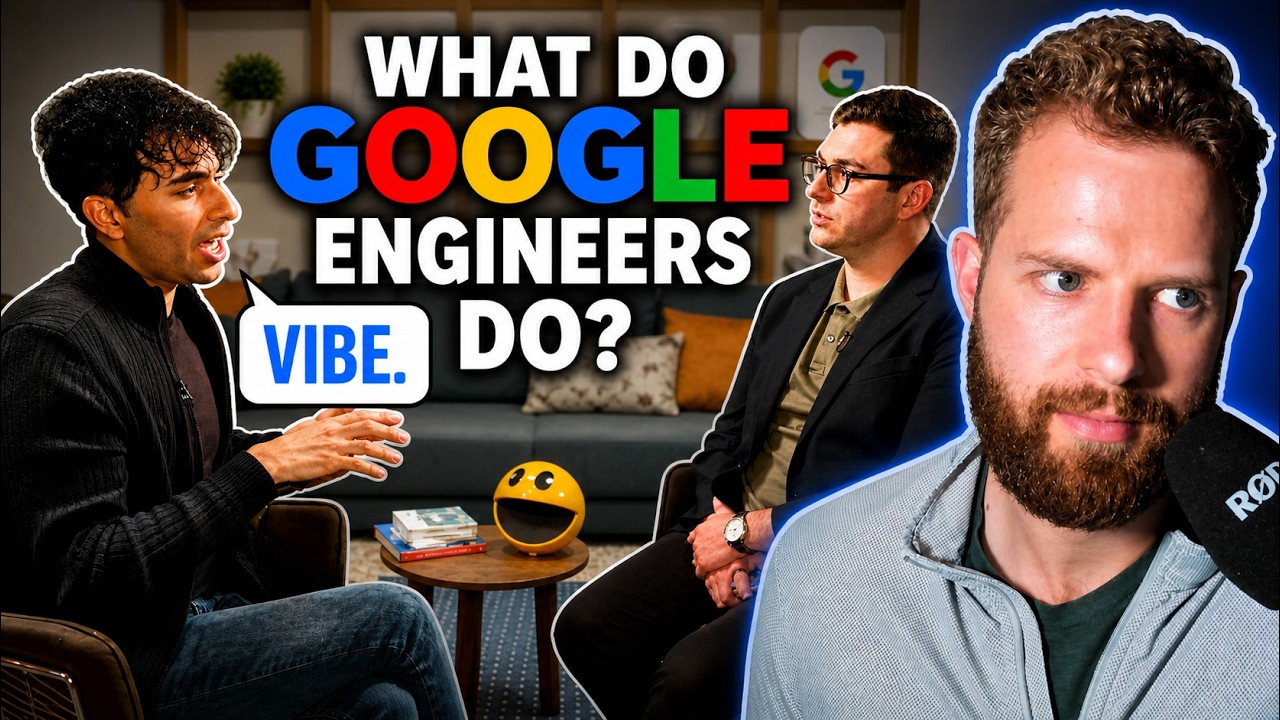
The video critiques the notion that AI-assisted coding can replace traditional software engineering, emphasizing that complex, secure, and maintainable software requires deep expertise, rigorous testing, and human accountability. While acknowledging AI’s potential to boost productivity and empower non-technical users, the creator warns against over-reliance on AI tools and calls for preserving disciplined engineering practices amid evolving industry dynamics.
The video begins with the creator reflecting on a refreshing break from AI-assisted coding, opting instead to solve coding problems and build applications manually using C++. This break rekindled their appreciation for traditional software engineering. They then react to a Bloomberg video discussing “vibe coding,” a term coined to describe programming through conversational AI tools. The Bloomberg piece suggests AI is democratizing coding, enabling non-technical people to build applications quickly. However, the creator criticizes this portrayal, arguing that many so-called AI-assisted developers lack the depth of understanding required to produce robust, secure, and maintainable software.
The video highlights examples of small business owners and hobbyists using AI to create software solutions, such as automating warehouse operations or building simple apps. While these stories showcase AI’s potential to empower individuals, the creator is skeptical of claims that AI can replace professional engineering teams. They emphasize that complex software development requires rigorous testing, quality assurance, and long-term maintenance—areas where AI-generated code often falls short. The creator shares personal experience with “vibe coding,” noting that projects quickly become unmanageable and buggy, necessitating a return to manual coding for reliability.
The discussion then shifts to the evolving role of software engineers in an AI-augmented world. Industry experts featured in the Bloomberg video argue that engineers will transition into managerial roles, overseeing AI agents and ensuring code quality. Productivity gains from AI tools are acknowledged, with studies showing developers spend more time coding and less on project management. However, the creator disputes the notion that engineers can simply “vibe” their way through coding without accountability, warning that AI lacks responsibility for errors or security flaws, which ultimately fall on human engineers.
The video also touches on broader industry concerns, such as declining employment for new software engineers and the risk of over-reliance on AI in the long term. The creator expresses frustration with hype around AI replacing human coders and criticizes narratives that inflate the capabilities of AI-generated code. They caution that without proper understanding and discipline, AI-assisted development can lead to insecure and unstable applications. The creator calls for recognition of the value of traditional engineering skills and warns against complacency in the face of AI’s limitations.
In a final segment, the video briefly diverges to discuss a separate issue involving visa fraud and scams targeting elderly Americans, illustrating broader societal challenges beyond software engineering. The creator reflects on the prevalence of fraud and the need for stronger enforcement and awareness. They conclude by urging viewers to critically assess AI’s role in software development, advocate for responsible engineering practices, and remain vigilant against misinformation and exploitation in both technology and society.