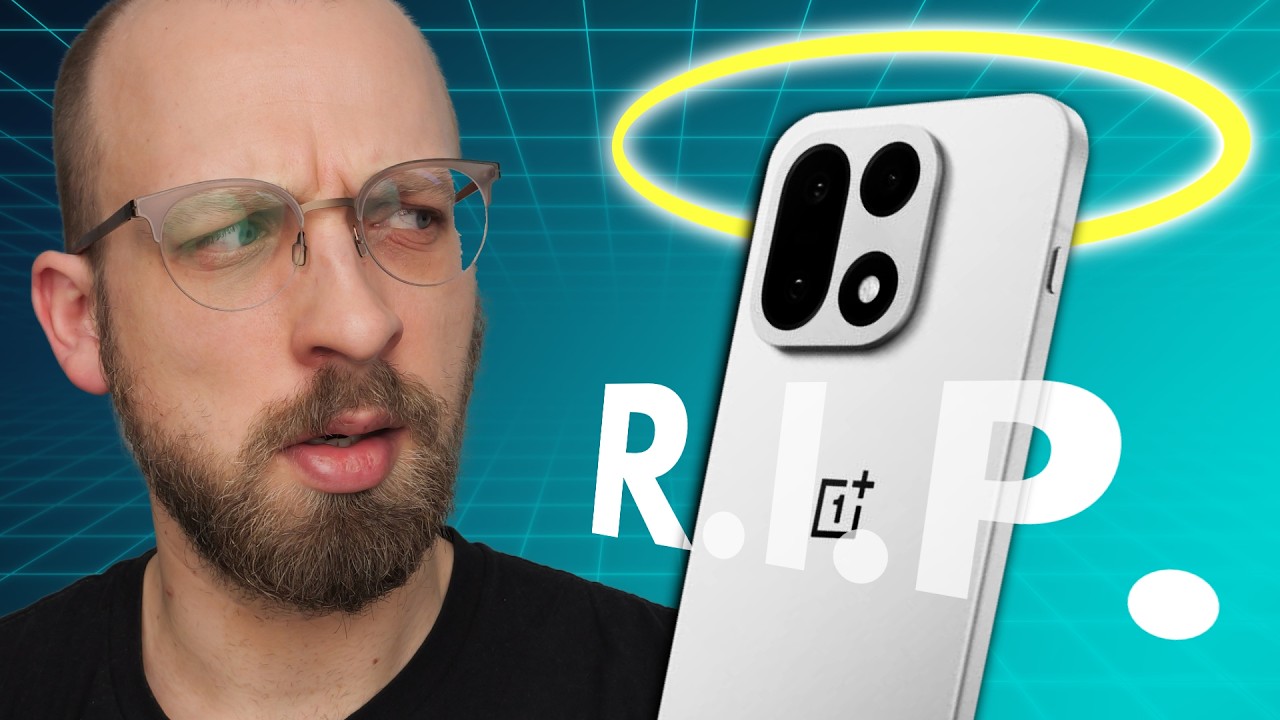
This week, OnePlus and Realme announced significant cutbacks in their global operations, effectively shutting down their business in Europe, North America, and China, with OnePlus also planning to phase out Oxygen OS in favor of Color OS starting with Android 17. While OnePlus claims its Indian operations remain unaffected for now, rumors suggest a potential exit by 2027. These moves come amid a shrinking global smartphone market, with shipments falling 11% year-over-year, disproportionately impacting Chinese brands focused on budget models like OnePlus and Realme.
On the technology front, Samsung revealed that its upcoming foldable displays will incorporate two titanium-based layers—a rigid titanium plate and a flexible titanium alloy film—to create a nearly invisible hinge, enhancing durability and flexibility. This innovation is expected to debut in the Galaxy Fold 8 and possibly future iPhones. Meanwhile, TSMC, the world’s largest chipmaker, reported record revenues driven by high-performance computing chips, especially AI-related ones, and announced a $100 billion expansion of its Arizona fabs, including plans for advanced two-nanometer facilities, signaling a major boost to US semiconductor manufacturing.
In product news, Motorola launched the Edge 70 Max, notable for supporting 25-watt magnetic wireless charging, marking the spread of this technology beyond Google’s Pixel 10 Pro XL. Additionally, Codex introduced a $230 custom keyboard designed to control OpenAI’s desktop app, featuring specialized buttons and a dial to adjust AI reasoning levels. OpenAI itself is reportedly developing a screenless, movable AI speaker device, with its hardware team largely recruited from Apple, which recently filed a lawsuit against OpenAI over alleged trade secret theft.
Samsung faced backlash after introducing a controversial toggle in Samsung Health that appeared to make consenting to AI training mandatory, threatening data deletion for those who opted out. The company later clarified this was a mistake, stating only data uploaded for AI processing would be affected. Other notable developments include a Chinese brand, Highense, unveiling an e-ink phone with an optional magnetically attached full-color LCD screen, and the European Commission mandating Google to open Android to third-party AI assistants and share anonymized search data, raising privacy concerns.
Finally, there were some positive environmental and economic updates: solar power accounted for a quarter of the EU’s electricity production in June, becoming the largest single source. However, Elon Musk quietly acquired a $1 billion gas turbine company to power SpaceX’s Grock data centers, despite local emissions permit issues. In Hungary, AI server hardware exports from a single Foxconn factory have surpassed traditional automotive exports, highlighting a significant shift in the country’s economic landscape. The video concluded by promoting Nebula, a platform offering in-depth tech content and Q&A sessions, encouraging viewers to subscribe for exclusive access and support.