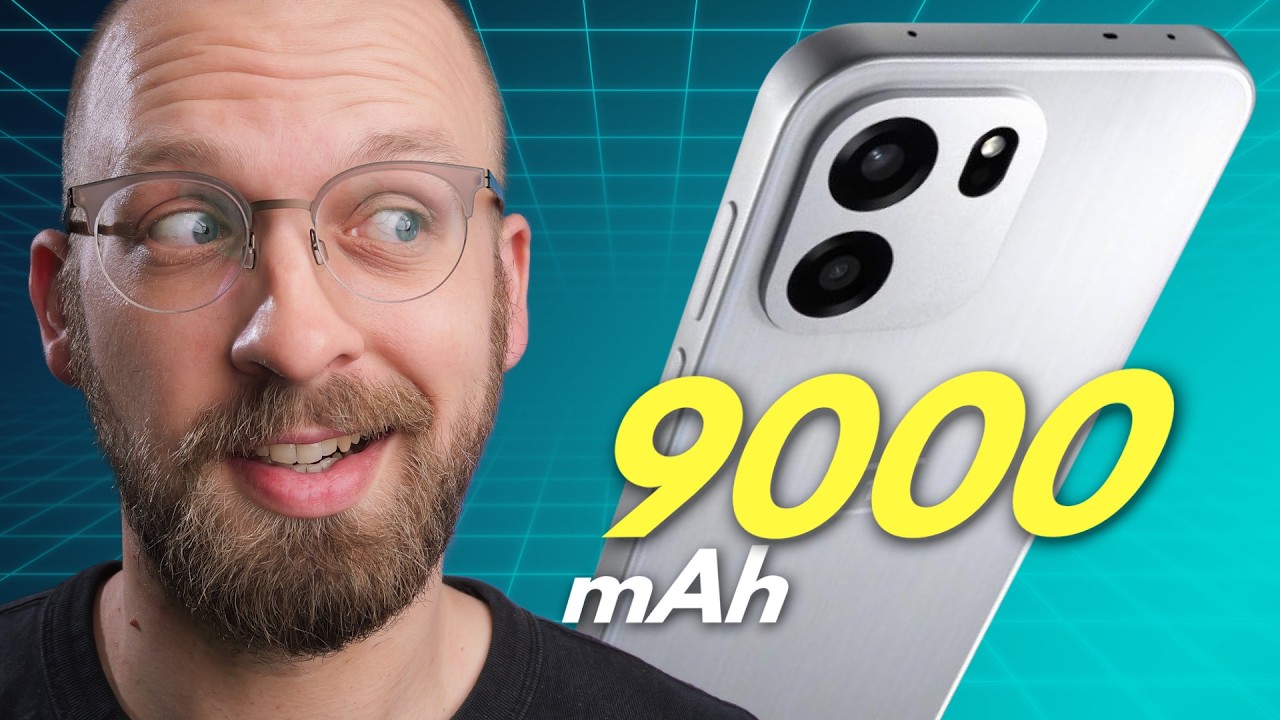
This week’s tech roundup highlights a major leap in smartphone battery technology, as OnePlus announced its upcoming Turbo 6 series phone featuring a massive 9,000 mAh battery. This is a capacity previously seen only in large tablets or power banks, yet OnePlus managed to fit it into a relatively normal-looking device. The Turbo 6, launching first in China, will also sport a 165 Hz screen and a Snapdragon 8s Gen 4 chip. Despite the huge battery, the camera bump is minimal, protruding just 1.7 mm. This development suggests that by 2026, mainstream phones could routinely offer three-day battery life, especially as battery technology continues to improve.
The video also covers the ongoing struggles of Apple’s Vision Pro headset. According to a Financial Times article, Apple is expected to ship only about 45,000 units in the last quarter of 2025, which is both the holiday season and the launch period for a new model. This figure is considered catastrophically low, and Apple has reportedly slashed digital advertising for the headset by over 95%. Meta is also cutting spending on its metaverse projects by 30%, raising questions about the future of mixed reality headsets, especially as Google and Samsung continue to pursue their own XR devices.
Another major story is the looming increase in consumer electronics prices due to chip shortages, particularly for memory chips driven by AI demand. Prices for devices like smartphones, computers, and home appliances could rise by 5% to 20%. Samsung is ramping up production of HBM (High Bandwidth Memory) chips for AI, but this is causing shortages for regular consumer devices. The industry is struggling to balance the needs of AI development with the demands of everyday electronics.
In product news, Xiaomi unveiled the 17 Ultra by Leica, a special edition phone with a rotating camera bezel for variable optical zoom. LG announced new party speakers with AI-powered vocal removal and pitch adjustment, as well as gallery TVs designed to look like paintings and new 5K monitors with built-in AI upscaling. Samsung rolled out a rebooted Bixby assistant with Perplexity AI integration and is planning to produce image sensors for future iPhones in its Texas factory. Other notable updates include the delay of the so-called “Trump mobile” smartphone, a major data breach at Condé Nast affecting 40 million records, and Google’s new feature allowing Gmail users to change their email addresses.
The brief section also mentions that owners of the original Surface Duo can now install the leaked Andromeda OS, a dual-screen version of Windows that was never officially released. Nvidia has taken a $5 billion stake in Intel, and Good Old Games (GOG) is being reacquired by its original co-founder, with no major changes expected for users. Ukraine and Moldova have joined the EU’s free roaming area, allowing seamless mobile service across borders. The video concludes with a plug for Nebula, the sponsor, highlighting exclusive content, early access, and special discounts for viewers who sign up through the provided link.