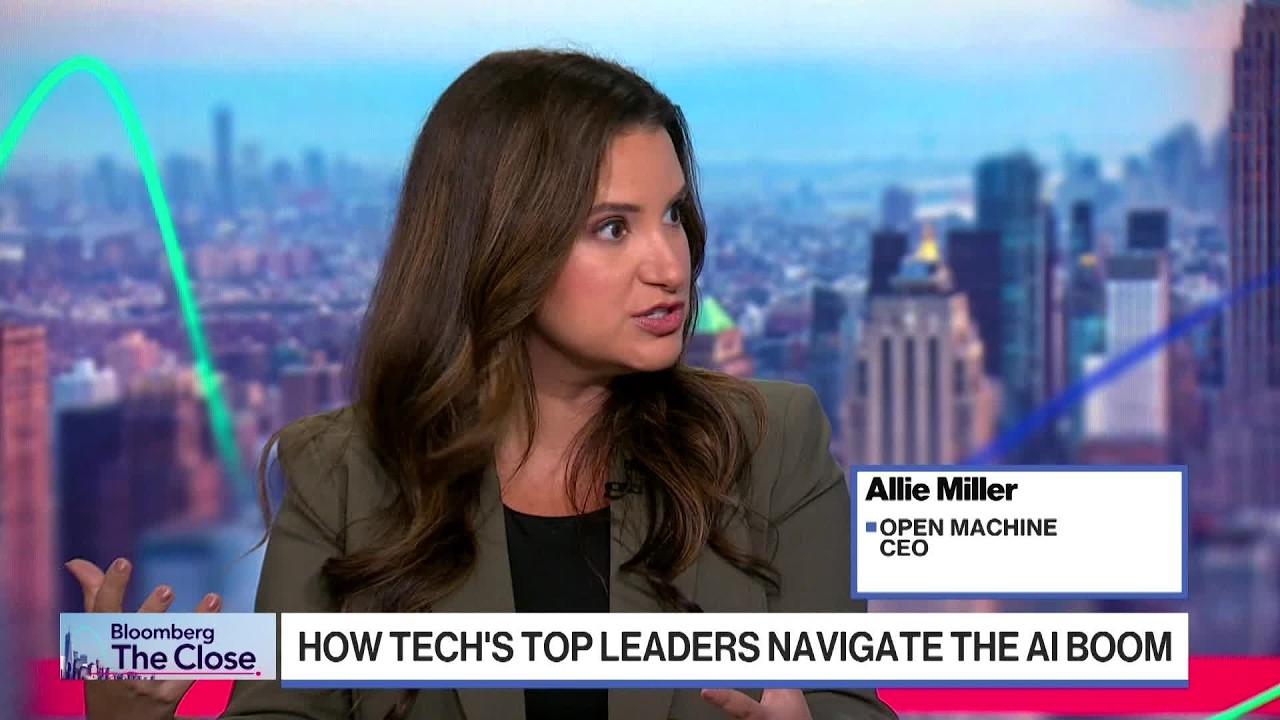
The discussion begins by highlighting how frontier companies are structuring their AI investments into two distinct groups. The first group focuses on raising the baseline capabilities across departments like finance, legal, marketing, and sales, typically operating within standard AI subscription limits. The second, smaller “frontier” unit, often comprising around 100 people, receives significantly higher budgets and is tasked with rapid experimentation and innovation, developing new products and business lines. This dual approach allows companies to balance steady improvements with bold, agile innovation efforts.
A key insight shared is that the current competitive advantage in AI lies in the speed of iteration. Large enterprises with tens or hundreds of thousands of employees face challenges in quickly pivoting or iterating due to their size and complexity. In contrast, smaller, focused teams can sprint and experiment rapidly, pairing AI specialists with subject matter experts to reinvent workflows and create new value. While tech giants like Alphabet can afford to lose money on AI experiments, smaller frontier companies must demonstrate returns to satisfy investors, leading to varied ROI expectations and investment strategies.
The conversation also touches on common pitfalls companies face in their AI adoption. One major issue is executive leadership lacking a deep understanding of AI, which can lead to superficial or ineffective strategies driven by ego or fear of job loss. Many executives resort to pilot projects and buzzwords without a coherent plan, applying outdated linear thinking to a rapidly evolving AI landscape. Additionally, there is often a disconnect between leadership and the “super users” within organizations who have developed innovative AI workflows but are not empowered or incentivized to share their knowledge broadly.
Regarding the integration of AI in established, non-tech industries, the speaker notes a significant shift over the past year. Older economy companies, including large airlines and travel firms, are now compelled to develop comprehensive AI strategies. The distinction lies between those pursuing incremental improvements, such as dynamic pricing or customized marketing, and those fundamentally reinventing their business models. An illustrative example is Ikea, which used AI to reduce its customer support workforce and reallocated those employees to a new, highly profitable interior design business line, demonstrating how AI can drive both efficiency and growth.
Finally, the discussion acknowledges the cultural and organizational challenges AI adoption brings, particularly employee fears about job security and knowledge gatekeeping. Employees may hesitate to share AI-driven efficiencies if they feel threatened, while executives must balance innovation with workforce management. Successful AI integration requires not only technological investment but also strong leadership, transparent communication, and incentives that encourage collaboration and knowledge sharing across all levels of the organization.