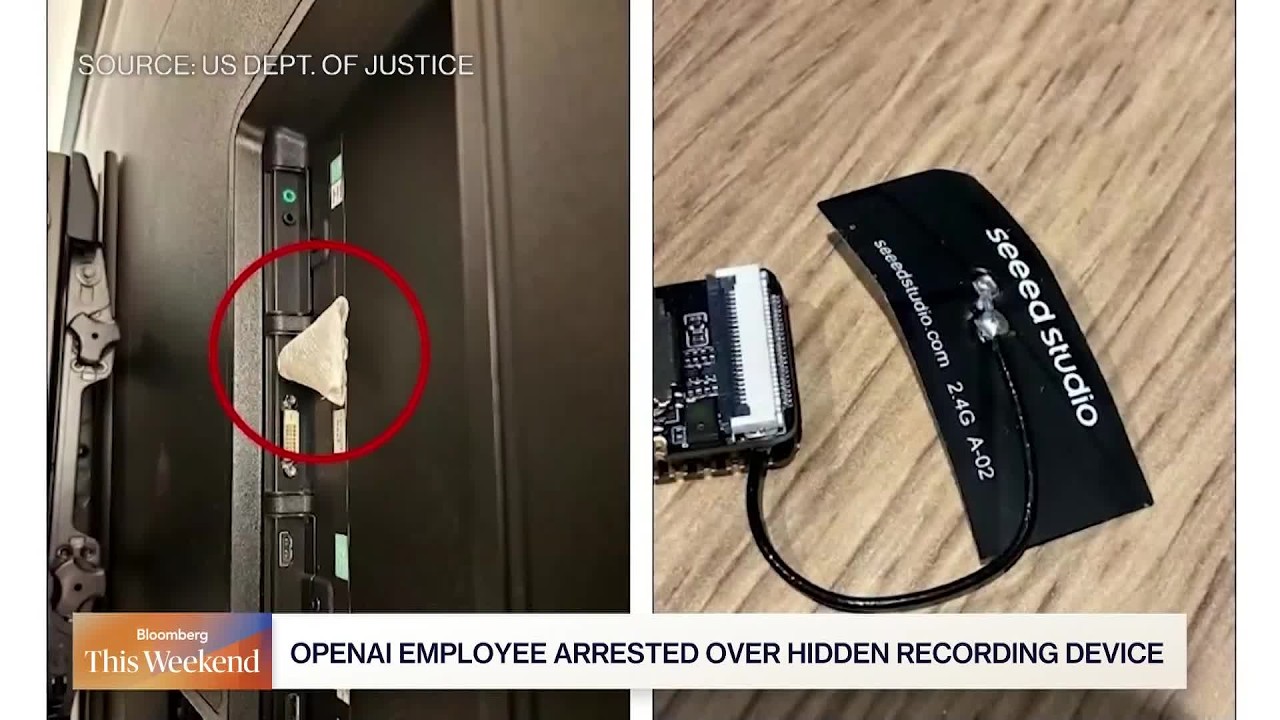
The recent arrest of Abzar Raham Al Fosun, an OpenAI product team employee, has raised significant concerns about electronic espionage within the competitive AI industry. According to the Justice Department, Al Fosun was caught planting a secret recording device disguised behind a TV in a conference room at OpenAI’s San Francisco headquarters. The device’s encrypted contents remain unknown, but chatbot logs linked to an account associated with his spouse revealed inquiries about installing and concealing such devices. This incident highlights the growing tension around protecting AI technology secrets amid a global race where theft is seen as a shortcut to advancement.
The case is further complicated by Al Fosun’s Saudi nationality and his admitted advisory role to Saudi government agencies on technology use. While he has not been charged as a foreign agent, the arrest has intensified scrutiny in Silicon Valley, where companies like OpenAI have already been training employees to guard against espionage. OpenAI’s security measures include wiping whiteboards, recognizing honeypot traps, and even being wary of social engineering tactics such as flirtation, reflecting a heightened atmosphere of vigilance against intellectual property theft in the AI sector.
This arrest is part of a broader pattern of industrial espionage in tech, with previous cases involving former Google employees working for Chinese companies and other foreign nationals accused of stealing trade secrets. The hypercompetitive nature of AI development exacerbates these concerns, as companies race to innovate while trying to safeguard their proprietary information. The incident underscores the challenges faced by U.S. firms in balancing the need for top talent with national security considerations, especially given that only about half of the world’s leading AI researchers are American.
In a related discussion, the evolving nature of AI training labor was explored, revealing a shift from low-wage, general data work to more specialized, white-collar involvement. Traditional platforms like Amazon Mechanical Turk, known for simple, low-paid tasks, have shut down, making way for new companies that engage experts such as radiologists to train AI models. These professionals contribute their domain knowledge to improve AI applications, but there is growing concern that as AI capabilities expand, these experts might eventually be replaced by the very systems they help develop.
This transformation in the data work industry presents a complex labor market dynamic, with a widening gap between generalist, lower-paid workers and specialized experts. While experts enjoy flexible, higher-skilled roles, the overall impact on employment remains uncertain. Some fear that AI could devalue entire professions by absorbing expert knowledge, leading to job displacement. The situation is likened to outsourcing, but instead of moving jobs overseas, AI may be substituting human expertise itself, raising important questions about the future of work in an AI-driven economy.
Useful Links