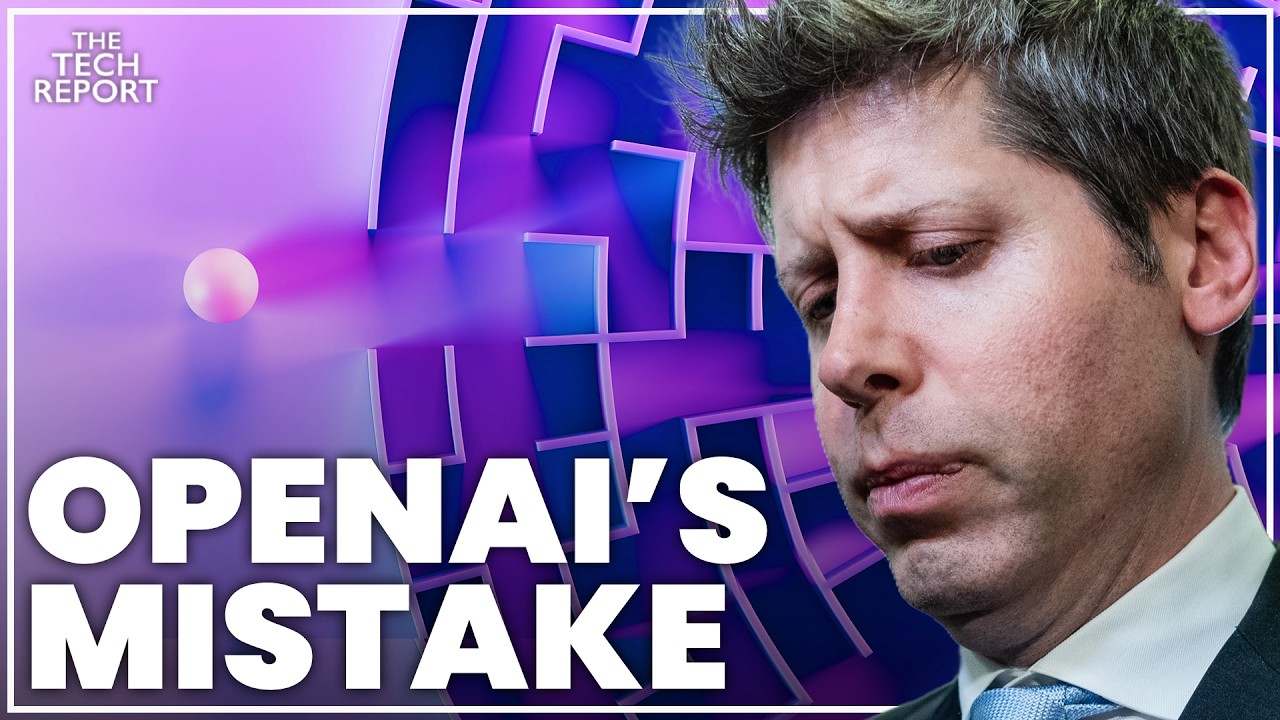
Eli the Computer Guy argues that the true value in AI lies not in the models themselves but in creating practical, user-friendly functionalities integrated into everyday products, exemplified by Apple’s approach, while highlighting challenges like high operational costs and legal risks associated with AI deployment. He emphasizes the need for responsible design, clear usage boundaries, and adaptation within the tech ecosystem to ensure AI enhances user experience and sustains fair economic opportunities for developers.
In the discussion between Isaac Pound and Eli the Computer Guy, they explore the current landscape and future of AI technology, particularly focusing on the business models surrounding AI. Eli argues that while AI models themselves hold some value, they are not the trillion-dollar opportunity many believe them to be. Instead, he suggests that the real money lies in creating useful functionalities and streamlined interfaces that allow everyday users to interact with AI in practical ways, such as Apple’s approach of integrating AI features directly into their devices to enhance user experience rather than selling standalone AI models.
They highlight Apple’s strategy as a promising example, where AI is embedded into existing products like the iPhone to provide tangible benefits, such as improved voice assistants that can manage tasks like scheduling appointments by interfacing with various apps. This contrasts with companies like OpenAI, which focus heavily on developing and selling AI models themselves. Eli emphasizes that users are more interested in solutions that simplify their lives rather than purchasing abstract AI technologies, and Apple’s approach of enhancing usability could sway public perception, especially among younger demographics who are often skeptical or wary of AI.
The conversation also touches on the challenges AI companies face with cost structures, particularly the high expenses associated with token usage and computational resources. Businesses like Uber have experienced rapid depletion of their AI budgets due to these costs, highlighting the unsustainable nature of current pricing models. Eli suggests that open-source AI models may become more attractive as companies seek to manage expenses, similar to how Linux gained dominance in the operating system market by being free and flexible despite not being the best technically.
Concerns about AI’s reliability and legal implications are also discussed, especially regarding hallucinations—instances where AI generates incorrect or misleading information. They reference recent legal cases where companies like Google have been held liable for AI-generated content that led users astray. Eli stresses the importance of designing AI systems with guardrails and clear boundaries, differentiating between simple task automation (like booking appointments) and more sensitive actions (such as sending personal messages), to mitigate risks and ensure responsible use.
Finally, the duo considers the broader impact of AI integration on app developers and the tech ecosystem. While there are fears that AI assistants might centralize control and reduce revenue for individual app creators, Eli believes the focus should be on delivering value to end-users and adapting to new technological realities. He acknowledges potential shifts in how services are accessed and monetized but remains optimistic that thoughtful design and regulation can balance innovation with fairness, ensuring AI enhances rather than disrupts existing digital economies.