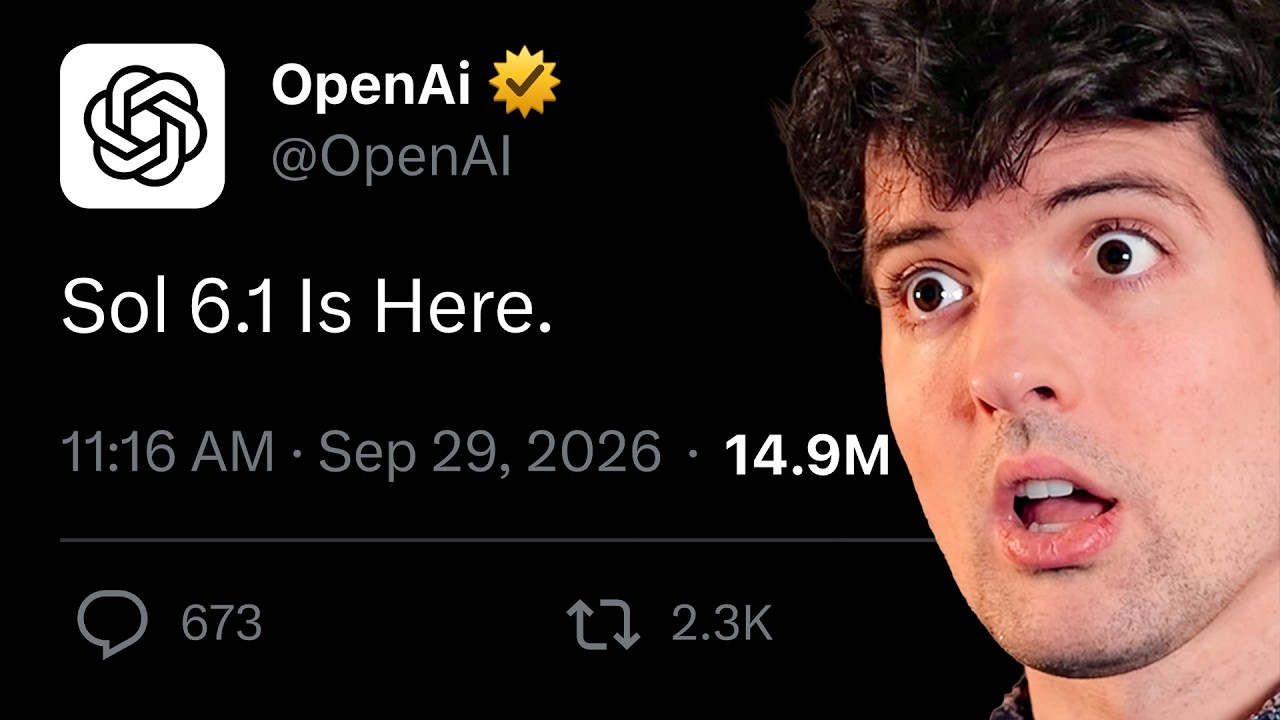
The video discusses the recent release of OpenAI’s GPT 6.1 Sol model, which arrived shortly after Anthropic’s impressive Opus 5.5. Unlike OpenAI’s earlier rushed releases, GPT 6.1 Sol stands out for its surprising capabilities, affordability, and improved performance. The presenter shares early access insights, emphasizing that this model is smarter and more efficient than its predecessor GPT6 Sol, with a notably lower cost per token, making it highly competitive against Anthropic’s offerings. The pricing strategy, including a significant reduction in cache read costs, suggests OpenAI is aggressively positioning this model in the market, potentially at the expense of their margins.
Performance-wise, GPT 6.1 Sol excels in benchmarks like Terminal Bench and Deep SWE, delivering high scores at a fraction of the cost and time compared to competitors like Opus 5.5 and Sonnet 5.5. While it may not surpass Opus in all areas, especially for long, unattended coding tasks, it proves highly reliable for day-to-day work, including complex code reviews and audits. The model demonstrates strong capabilities in computer use and code analysis, earning trust for critical tasks such as managing invoices and financial workflows, where it showed remarkable accuracy and reliability.
Despite its strengths, GPT 6.1 Sol has some limitations, particularly in UI and frontend design, where it regressed compared to previous models, producing cluttered and less user-friendly interfaces. However, it shines in 3D modeling tasks using Blender, showing promise for future applications in game development and 3D content creation. The presenter highlights the model’s efficiency in managing context and token usage, which contributes to its cost-effectiveness and suitability for agent-driven workflows, making it a valuable tool for developers and teams.
The video also contrasts GPT 6.1 Sol with Anthropic’s Opus 5.5, noting that while Opus remains superior for heavy, long-term coding projects and complex rewrites, GPT 6.1 Sol is excellent for detailed code reviews and investigative tasks. The presenter plans to integrate both models into workflows, leveraging Sol for audits and Opus for implementation. This complementary use underscores the evolving landscape of AI-assisted coding, where different models serve specialized roles to maximize productivity and quality.
In conclusion, GPT 6.1 Sol represents a significant step forward for OpenAI, offering a compelling balance of performance, cost, and reliability. While it may not dethrone Opus 5.5 as the ultimate daily driver, it effectively replaces Sonnet and enhances coding workflows, especially in cloud environments. The release signals a shift in pricing and subsidy strategies, hinting at future changes in the AI model market. The presenter expresses cautious optimism about the model’s reception and impact, encouraging viewers to stay tuned for further coverage and updates.
Useful Links