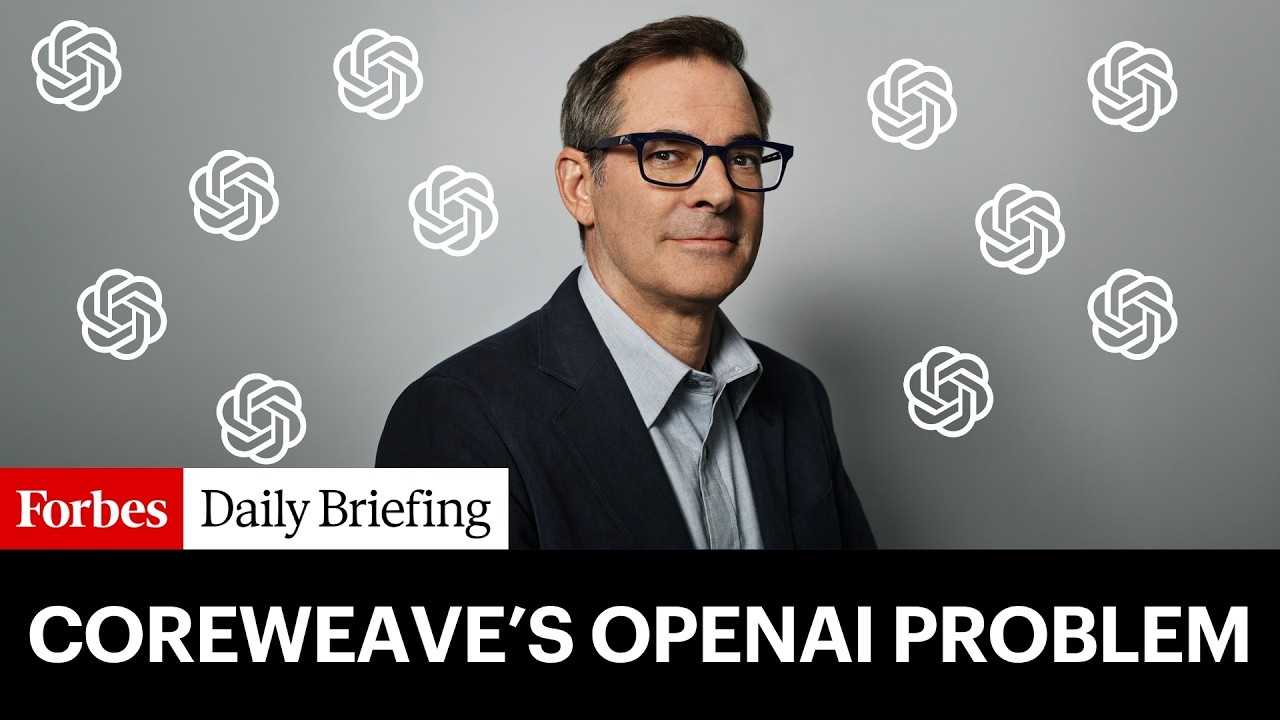
Over the past year, OpenAI, led by CEO Sam Altman, has aggressively expanded its demand for computing power, forging significant infrastructure deals with major Silicon Valley players such as Nvidia, Oracle, and SoftBank. Among these partners, CoreWeave, an AI cloud company valued at around $60 billion, stands out due to its heavy reliance on OpenAI. Recent reports suggest that OpenAI has missed internal revenue and user growth targets, raising concerns about its ability to fulfill future computing contract payments. This situation poses a particular risk to CoreWeave, which has taken on over $40 billion in mostly high-interest debt to finance GPUs and data centers, with OpenAI representing a substantial portion of its contracted revenue.
CoreWeave publicly maintains confidence in its business model, emphasizing that OpenAI is just one of several major customers, including Meta, Anthropic, Microsoft, and Google. The company highlights the ongoing robust demand for AI compute capacity, which it believes continues to outpace supply across the AI ecosystem. However, this ecosystem is not a broad consumer market but rather a concentrated group of large spenders, including big tech firms and specialized AI infrastructure providers like CoreWeave, Nebius, and Enscale. This concentration creates both significant opportunities and vulnerabilities for companies like CoreWeave.
Financially, CoreWeave’s dependence on a few key customers is pronounced. In 2025, Microsoft accounted for 67% of its revenue, with Meta and OpenAI also playing critical roles. OpenAI, while not yet the largest revenue source, represents about one-third of CoreWeave’s contracted revenue over the next seven years, amounting to over $22 billion in deals. News of OpenAI missing its projections caused CoreWeave’s stock to drop by 6%, alongside declines in shares of Nvidia, Oracle, and others, collectively wiping out more than $100 billion in market value before some recovery occurred.
Despite these concerns, OpenAI has dismissed the negative reports, citing outdated data and highlighting strong growth in products like its generative coding tool Codex, along with a compute strategy designed to accelerate expansion. Meanwhile, major AI labs continue to commit enormous sums to AI infrastructure, with Google planning to spend up to $185 billion this year and Meta up to $135 billion. Collaborative efforts like Project Stargate, involving OpenAI, SoftBank, Oracle, and others, aim to build $500 billion in AI infrastructure, although some progress has reportedly stalled.
The overarching question remains how much of the current AI compute demand is sustainable versus a temporary land grab that may slow once financial realities set in. If OpenAI struggles to pay its cloud computing bills, renegotiations with providers like CoreWeave are likely, potentially leading to slower revenue growth and lower stock valuations. CoreWeave’s future profitability depends not only on OpenAI’s stability but also on the broader AI industry’s continued exponential growth. While CoreWeave publicly stresses diversification and contract guarantees, its increasing exposure to OpenAI highlights a tension between risk and opportunity in this rapidly evolving market.