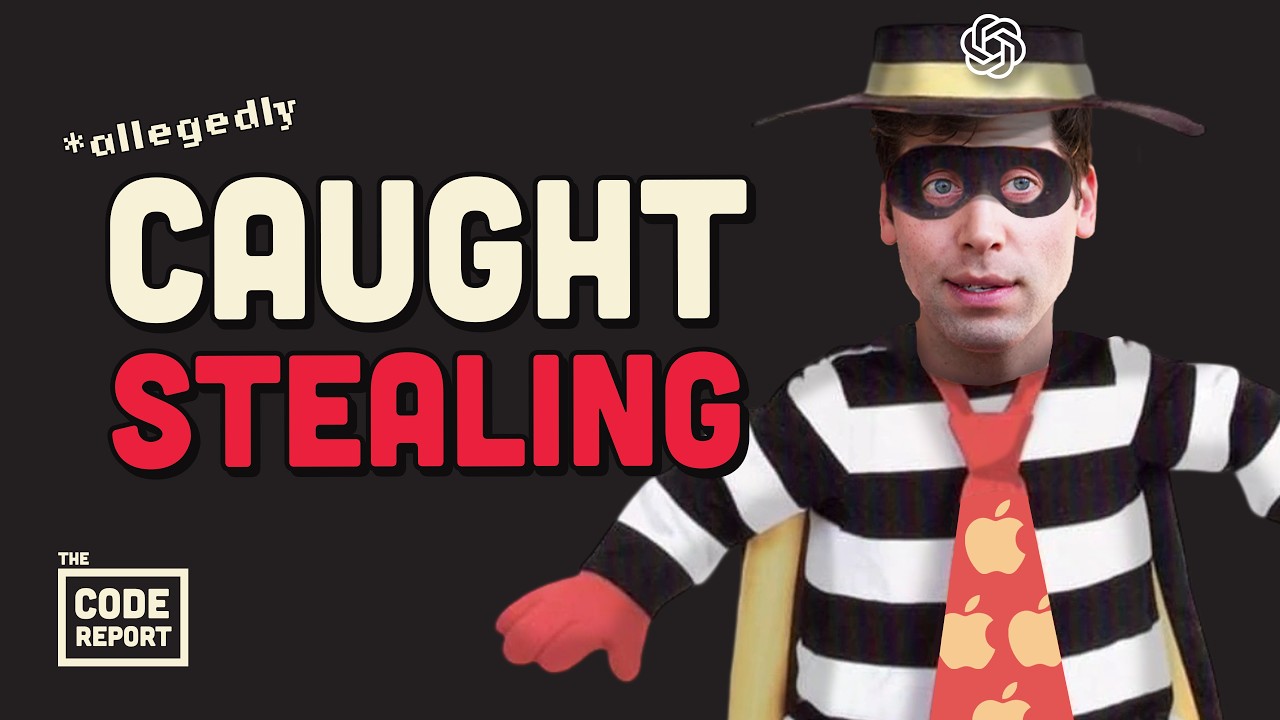
In 2026, Apple sued OpenAI for trade secret theft and unethical practices following their failed partnership, accusing OpenAI of illicitly recruiting Apple engineers and stealing confidential hardware information to develop a rival device. The case underscores ongoing tensions in the tech industry over intellectual property, while highlighting the importance of robust platforms like Hyperagent for innovation and productivity.
In 2024, Apple and OpenAI formed a surprising partnership at WWDC, with Tim Cook integrating ChatGPT into the iPhone and Sam Altman observing from the audience. This collaboration aimed to rebrand artificial intelligence as “Apple intelligence” through a powerful marketing campaign. However, the alliance quickly soured, and by 2026, Apple filed a 41-page lawsuit accusing OpenAI of trade secret theft and unethical business practices, signaling a dramatic fallout between the two tech giants.
Apple’s lawsuit centers on OpenAI’s aggressive hardware ambitions, particularly after OpenAI acquired Jony Ive’s stealth startup IO for $6.5 billion. Ive, a former Apple design legend, is now working with OpenAI on a futuristic device intended to rival the iPhone—a mobile, screen-free smart speaker with mechanical elements designed to create a lifelike personality. Although details remain scarce, leaks suggest the device aims to offer a deeply human-like interaction, potentially disrupting Apple’s dominance in personal tech.
The legal battle highlights serious allegations against OpenAI, including claims that OpenAI’s hardware chief, Tang Tan, and other former Apple employees recruited engineers by encouraging them to bring proprietary Apple hardware to interviews. Apple also accuses OpenAI of distributing cheat sheets to help new hires avoid security protocols designed to prevent data theft during employee exits. These tactics allegedly facilitated the illicit transfer of confidential Apple information to OpenAI.
One particularly notable figure in the lawsuit is Shang Lu, a former Apple electrical engineer turned OpenAI employee, who is accused of exploiting an Apple authentication bug to access sensitive network storage and continuing to use Apple equipment after resigning. His careless communications and actions reportedly exposed OpenAI’s attempts to pilfer Apple secrets, illustrating that technical skill does not necessarily equate to effective corporate espionage.
The video concludes by reflecting on the tech industry’s long history of idea appropriation, citing Steve Jobs’ famous borrowing from Xerox PARC innovations. It suggests that while stealing ideas is an open secret in tech, having the right computing platform is crucial for success. The video also promotes Hyperagent, a cloud-based platform for building intelligent agents, as a tool for enhancing productivity and research, tying the discussion back to the evolving landscape of technology and innovation.