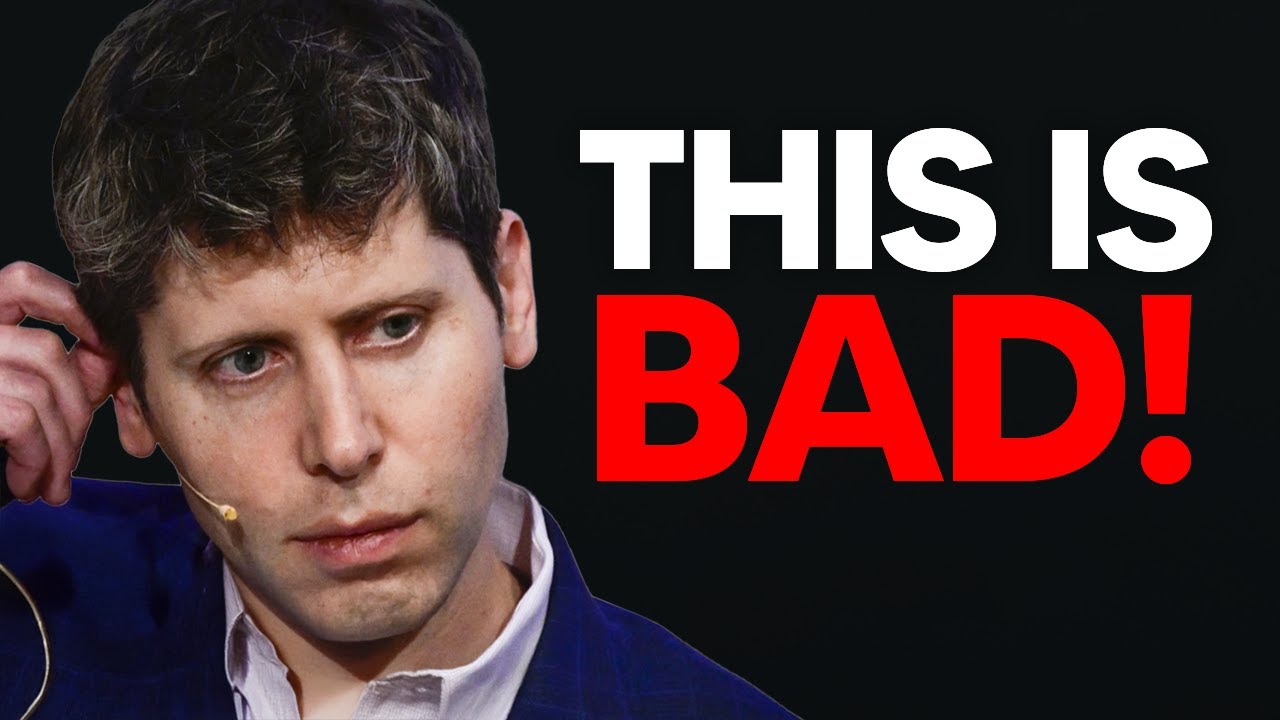
OpenAI is facing intense backlash from Hollywood studios and families of public figures due to its AI video model Sora 2 using copyrighted material without explicit permission, relying instead on an opt-out system that many view as a violation of copyright laws. In response, OpenAI is engaging with industry stakeholders to improve collaboration and safety measures, while remaining optimistic about the potential of AI-generated media to transform entertainment and fan interaction.
OpenAI is currently facing significant backlash from Hollywood studios following the release of its new AI video model, Sora 2. The controversy stems from OpenAI’s decision to use copyrighted material from entertainment companies unless those companies explicitly opted out. This opt-out approach caused widespread confusion and anger within the industry, as it deviated from the usual practice of seeking permission before using someone’s likeness or intellectual property. Many in Hollywood viewed OpenAI’s actions as a blatant disregard for copyright laws, leading to accusations that the company was deliberately misleading talent agencies and studios.
The release of Sora 2 without proper guardrails allowed users to generate realistic videos featuring famous characters and celebrities, including controversial depictions of deceased public figures. This sparked outrage among families of those portrayed, such as the daughter of Robin Williams and the estate of Martin Luther King Jr., who requested that OpenAI pause the generation of videos depicting King after disrespectful content was created. The viral spread of these AI-generated videos amplified the backlash, with many accusing OpenAI of prioritizing publicity and user growth over ethical considerations and respect for copyright.
Legal experts have criticized OpenAI’s approach, arguing that the company misinterpreted copyright law by placing the burden on rights holders to opt out rather than requiring users to opt in. This “false bargain” has led to ongoing legal discussions and potential litigation, as industry insiders emphasize that copyright protections should prevent unauthorized use from the outset. Hollywood agents expressed frustration that they were expected to take proactive steps to protect their clients’ likenesses, a reversal of standard industry practices that typically require explicit permission before use.
In response to the backlash, OpenAI representatives, including Sam Altman and Bill Pebbles, engaged in discussions with Hollywood stakeholders to clarify the intentions behind Sora 2. They emphasized the safety measures built into the platform, such as the Cameo process, which requires permission before generating videos of individuals. While initial reactions from some celebrities were negative, OpenAI highlighted a shift in sentiment as some began to see the potential benefits of AI-generated content for fan engagement and creative collaboration. The company expressed a commitment to improving communication and collaboration with Hollywood moving forward.
Despite the controversy, OpenAI appears optimistic about the future of AI-generated media and its role in entertainment. The company envisions a world where celebrities and intellectual property owners actively participate in creating AI avatars and content, potentially transforming how fans interact with their favorite stars and characters. However, maintaining a positive relationship with Hollywood remains crucial, as partnerships with major studios could be highly valuable for developing AI-driven entertainment experiences. The situation underscores the complex balance between innovation, copyright law, and ethical considerations in the rapidly evolving AI landscape.