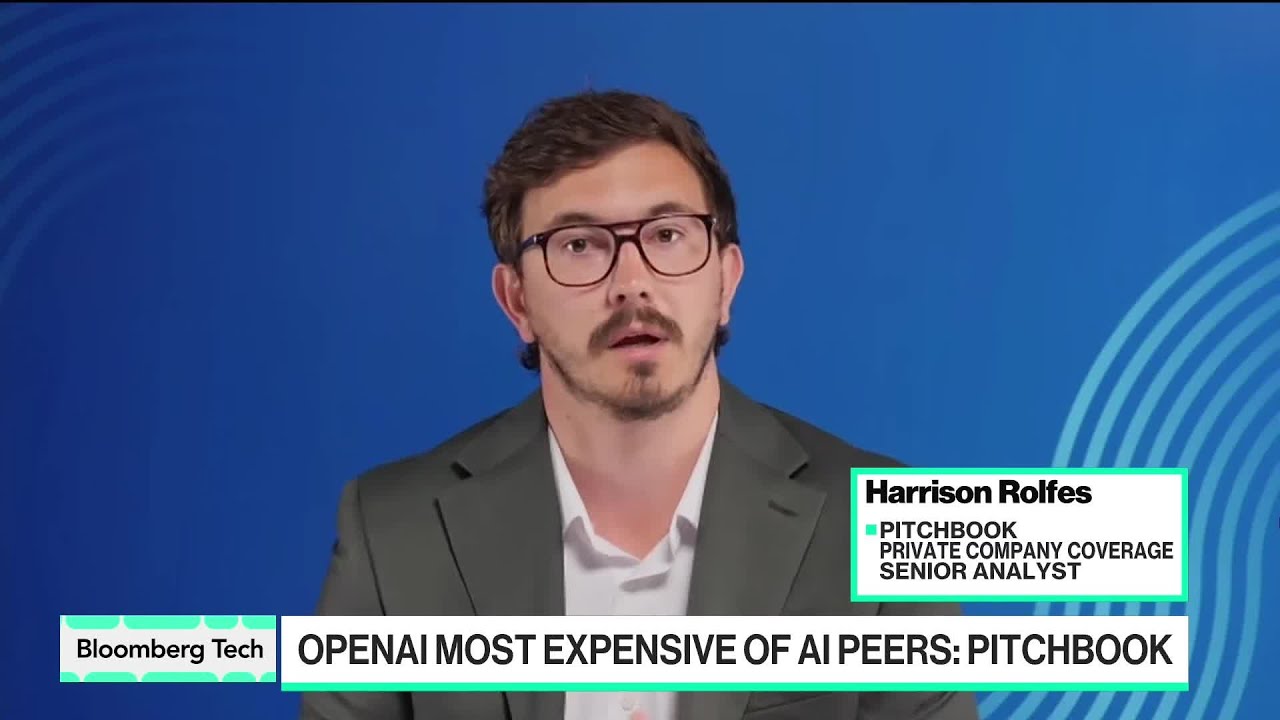
The discussion centers on OpenAI’s financial and business outlook as it prepares to enter the public markets. While detailed revenue figures remain confidential, analysts are scrutinizing OpenAI’s business fundamentals through a specialized framework called AI Business Quality (AIBQ). This framework evaluates OpenAI across five dimensions: revenue quality, computing independence, moat durability, governance optionality, and capital efficiency. Despite OpenAI’s status as the creator of the most widely used AI product, its heavy reliance on capital-intensive computing resources means profits may not yet cover costs, leading to a relatively low AIBQ score of 4.8 out of 10.
A critical aspect of OpenAI’s business model is its relationship with Microsoft, which includes unique revenue-sharing terms that cap payments to Microsoft and potentially free up revenue for OpenAI. However, uncertainty looms beyond 2030 regarding these terms, creating challenges for investors trying to assess OpenAI’s long-term viability. This uncertainty, combined with the opaque nature of OpenAI’s accounting and enterprise revenue breakdown, complicates efforts to fully understand the company’s financial health and sustainability.
Governance is another key area of focus, especially given OpenAI’s transition from a nonprofit to a public benefit corporation (PBC). Sam Altman, OpenAI’s CEO, does not hold a significant equity stake, raising questions about control and decision-making power within the company. Despite facing internal board challenges and investor skepticism, Altman remains a central figure driving OpenAI’s ambitions to become the leading AI company. The governance structure and leadership dynamics will be closely watched as OpenAI navigates its public market debut.
The timing of OpenAI’s confidential SEC filing is seen as strategic, allowing the company to observe and learn from competitors like Anthropic. Analysts note that OpenAI may need to address issues such as gross margin transparency and its dependence on hyperscale cloud providers to maintain a competitive edge. This comparative insight could help OpenAI refine its financial disclosures and operational strategies before going public, potentially improving investor confidence.
Finally, the conversation touches on the broader AI and tech landscape, including SpaceX’s upcoming public filing and its AI offshoot, xAI. While xAI will provide some insights into AI development, it is not expected to fully reveal the costs and challenges of running a leading frontier AI model. Ultimately, the public markets will play a crucial role in determining the true financial and operational realities of AI companies like OpenAI, as investors seek to understand the capital requirements and competitive dynamics shaping this rapidly evolving industry.