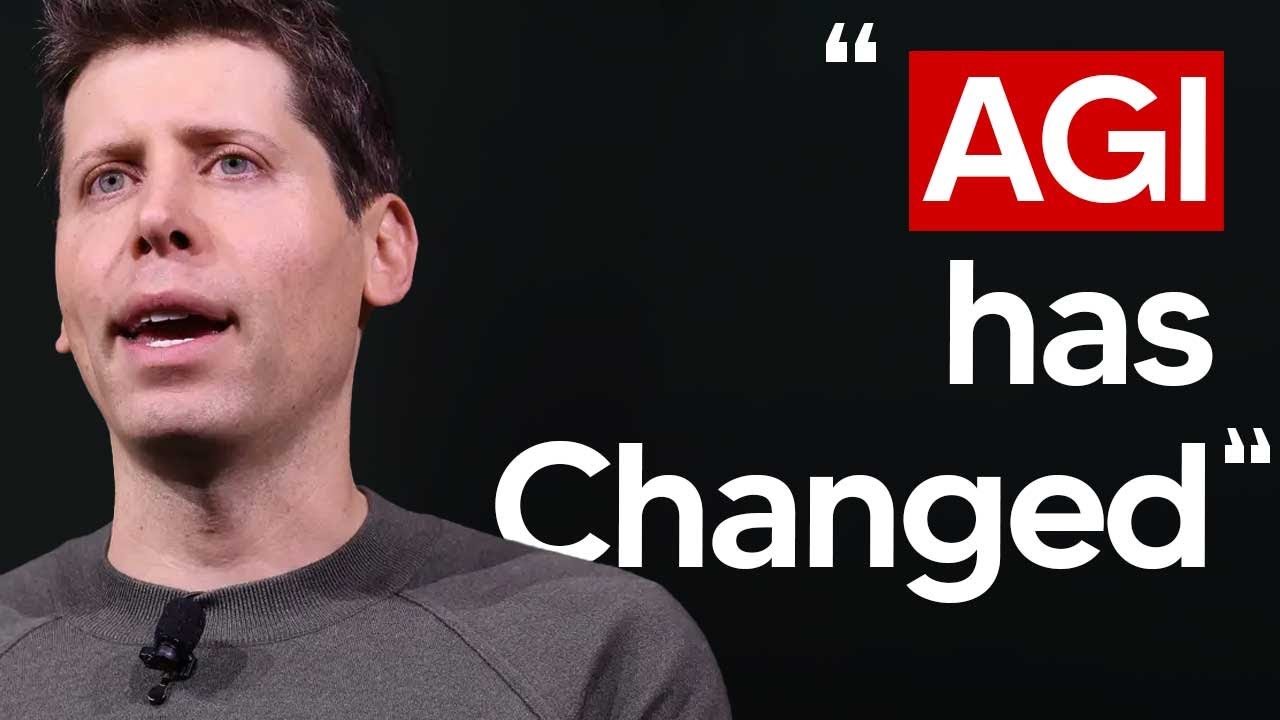
OpenAI has redefined Artificial General Intelligence (AGI) to focus on AI systems capable of generating at least $100 billion in profits, reflecting a shift from the traditional view of AGI as outperforming humans in economically valuable tasks. This new definition, along with ongoing legal challenges and tensions with Microsoft, highlights OpenAI’s strategic efforts to maintain control over its technology and shape the future of the AI economy.
OpenAI has recently established a new definition for Artificial General Intelligence (AGI), which is expected to significantly impact the AI industry and its future developments. This definition is particularly relevant given OpenAI’s partnership with Microsoft, which invested $10 billion in the company. The investment was motivated by the rapid growth of ChatGPT, and the deal included terms that limited Microsoft’s access to AGI technology, allowing them only to work with pre-AGI systems. As OpenAI aims to transition to a public company, they are redefining their structure to ensure that their mission remains sustainable and focused on benefiting humanity through AGI.
The new definition of AGI emphasizes the capability of AI systems to generate at least $100 billion in profits, marking a shift from the previous notion of AGI as an automated system that can outperform humans in economically valuable work. This change reflects OpenAI’s desire to maintain control over their technology and ensure that it can operate independently of Microsoft in the future. The concept of an “AGI economy” has emerged, suggesting that the future economy will be heavily influenced by AGI technologies, which OpenAI aims to develop.
However, OpenAI faces challenges in its pursuit of AGI, particularly due to ongoing legal disputes, including a lawsuit from Elon Musk. These legal issues complicate OpenAI’s efforts to go public and could hinder their progress in a rapidly evolving market. The competitive landscape is intensifying, especially with Musk’s advancements in GPU production, which have raised concerns within OpenAI about maintaining their technological edge over rivals.
Tensions between OpenAI and Microsoft have also surfaced, as Sam Altman, OpenAI’s CEO, has expressed concerns about Microsoft’s control over their partnership and the potential for misalignment in their goals. Microsoft has negotiated exclusive rights to provide cloud computing resources to OpenAI, which has limited the latter’s ability to seek additional compute power from other providers. This situation has created friction as OpenAI seeks to scale its operations and accelerate its development of AGI.
Looking ahead to 2029, OpenAI envisions a future where their AI systems can autonomously generate substantial profits, potentially transforming the economy. The company aims to develop advanced AI agents capable of replicating human tasks, which could lead to unprecedented profitability. As the landscape of AI continues to evolve, the implications of OpenAI’s new AGI definition and their strategic decisions will be closely watched, as they could shape the future of technology and its impact on society.