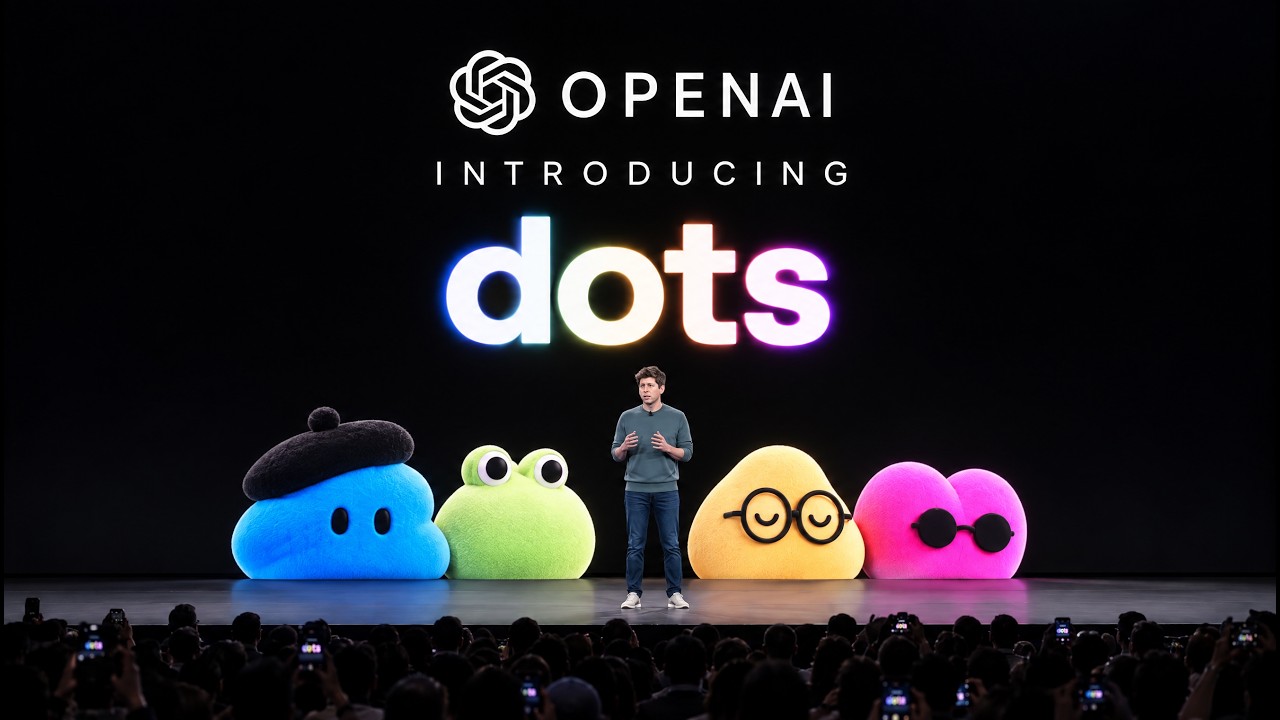
OpenAI has introduced Dots, a groundbreaking AI assistant that continues working even after you close ChatGPT. Unlike traditional ChatGPT, which responds to individual prompts and then stops, a Dot is an always-on AI agent powered by GPT-6 Astra with its own cloud-based computer. Users assign goals, connect necessary services, and set permissions for actions, allowing the Dot to autonomously handle ongoing tasks and return for user approval when needed. This persistent activity enables the Dot to manage responsibilities that extend beyond single conversations, such as monitoring projects, researching over several days, or updating information from connected apps.
One of the key innovations of Dots is their ability to stay active and productive while users are away. Unlike regular ChatGPT sessions that require continuous input, Dots can independently research, monitor updates, and complete approved tasks after the chat is closed or the device is turned off. OpenAI provides an activity dashboard where users can track ongoing, scheduled, or completed work, making Dots ideal for managing long-term responsibilities like calendar reviews, project follow-ups, and information gathering.
Dots integrate deeply with users’ digital lives by connecting to supported apps and plugins such as calendars, cloud storage, Slack, and Microsoft Teams. They operate through their own cloud browser and computing resources, with optional access to local devices for handling files or browser tasks that the cloud cannot complete. This extensive integration enhances their usefulness but also raises privacy considerations, as Dots learn user preferences, remember context, and proactively research relevant information to reduce repetitive explanations and improve task execution.
Despite their autonomy, Dots maintain strict boundaries to ensure user control over sensitive actions. Tasks like changing passwords, transferring money, or installing software require explicit user approval, and some actions may need approval every time they are performed. OpenAI emphasizes that users should review important work since Dots can make mistakes, and not all tasks will succeed. Currently, Dots are available only to select users on eligible pro and enterprise plans, with limited rollout and geographic restrictions, leaving many users without immediate access.
The introduction of Dots signals a shift in how AI assistants are used—from responding to isolated prompts to managing ongoing responsibilities and becoming integral to daily workflows. OpenAI envisions future scenarios where multiple Dots collaborate on research, communication, coding, and organization under a single user’s direction. This development comes amid competition from Meta’s Muse agent, highlighting a race to dominate AI-driven personal and professional task management. OpenAI plans to extend Dot interactions beyond ChatGPT to platforms like Slack and Microsoft Teams, embedding AI agents more deeply into users’ communication channels while maintaining user control and privacy safeguards.
Useful Links