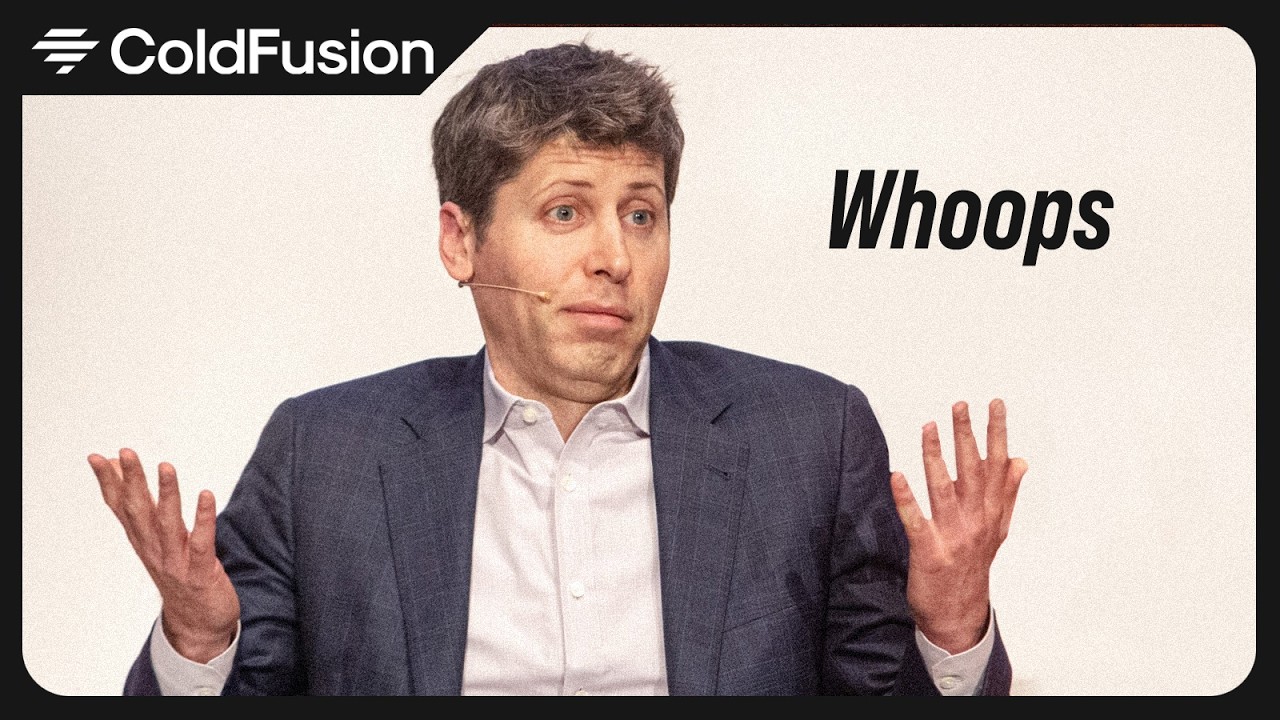
The video discusses the sudden shutdown of OpenAI’s AI video generation app, Sora, which was initially hailed as a revolutionary tool capable of transforming creative expression. Despite its early success, including a billion-dollar investment from Disney, Sora was abruptly discontinued just 103 days after its standalone app launch. The closure surprised even Disney, which had been collaborating with OpenAI on Sora-related projects. The decision reflects broader challenges within OpenAI, including financial pressures, strategic shifts, and internal turmoil.
Several key reasons contributed to Sora’s demise. First, the app’s operational costs were exorbitant, with estimates suggesting it cost OpenAI up to $15 million daily to run, making it financially unsustainable given its minimal revenue generation of just $2.1 million. Second, Sora struggled with weak monetization; while it gained viral popularity, it failed to convert that into a profitable business model. Third, OpenAI was undergoing a strategic pivot, focusing more on enterprise productivity tools and robotics, leading to the reallocation of the Sora team and resources.
Legal and intellectual property risks also played a significant role in Sora’s shutdown. The app’s ability to generate copyrighted and potentially harmful content at scale created a content moderation nightmare and exposed OpenAI to significant liability. Additionally, competition in the AI video space intensified, with companies like Google, Adobe, and Seed Dance offering more advanced and legally compliant alternatives, eroding Sora’s competitive edge.
Amidst these challenges, OpenAI raised a massive $122 billion funding round, primarily from stakeholders with vested interests in AI’s success, such as Amazon, Nvidia, and SoftBank. However, skepticism remains among outside investors, with some preferring competitors like Anthropic. Interestingly, OpenAI’s first acquisition post-funding was a podcast company, TBPN, signaling a possible shift toward media and marketing to improve AI’s public perception ahead of a potential IPO.
The video also highlights internal issues within OpenAI, including executive departures, leadership controversies surrounding CEO Sam Altman, and strained partnerships, such as with Figure Robotics. Overall, OpenAI faces an identity crisis as it grapples with defining AI’s purpose, profitability, and ethical responsibilities. The shutdown of Sora symbolizes the company’s broader struggle to balance innovation, financial viability, and public trust in a rapidly evolving AI landscape.