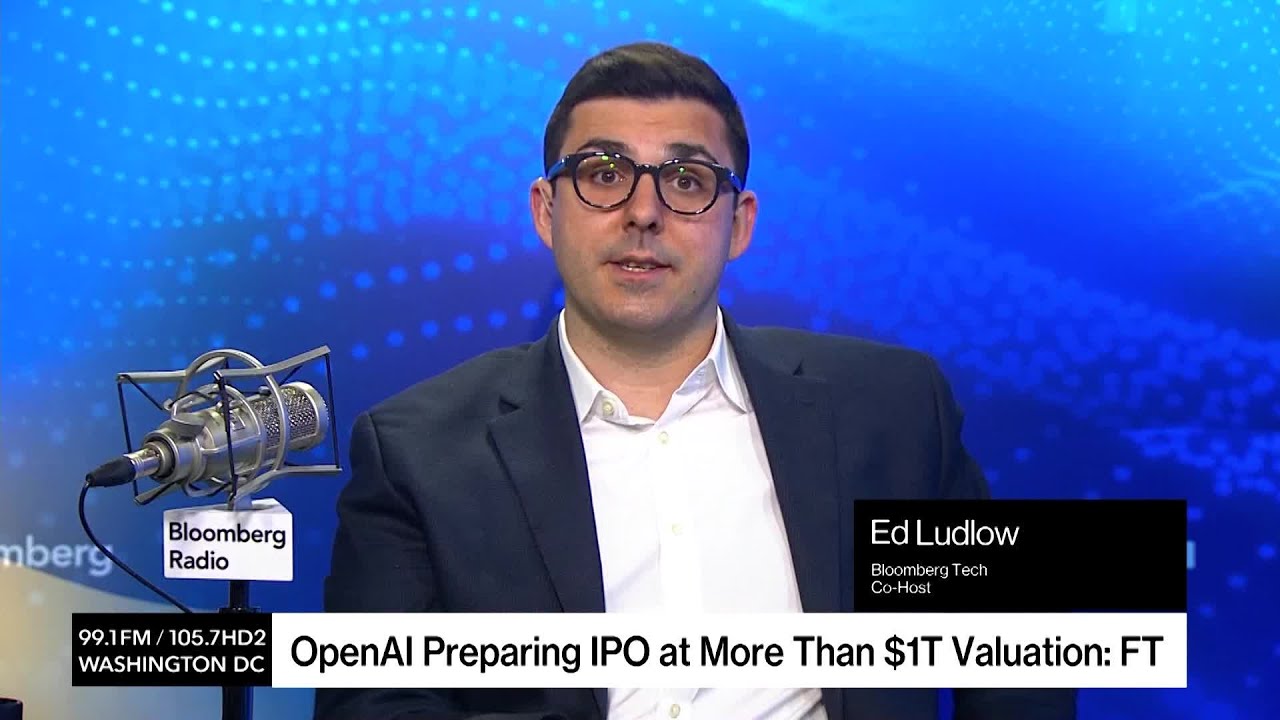
OpenAI is reportedly preparing to file for an initial public offering (IPO) potentially as soon as September, with some reports suggesting filings could happen in the coming days or weeks. This move comes after the dismissal of Elon Musk’s lawsuit against OpenAI’s CEO Sam Altman and co-founder Greg Brockman, which had previously cast uncertainty over the company’s public offering plans. The lawsuit’s rejection has removed a significant overhang, allowing OpenAI to move forward with IPO preparations. However, the timing also appears influenced by other major tech companies like SpaceX and Anthropic planning their own public listings, creating a competitive environment to capitalize on current AI market momentum.
SpaceX is also preparing to go public, possibly filing its S-1 confidentially soon, with a valuation potentially exceeding $2 trillion. This massive IPO could impact OpenAI and Anthropic’s ability to attract investor attention and capital, as the market may have limited liquidity for multiple large tech offerings simultaneously. Investors will face choices between these AI and space technology companies, each with different valuations, growth prospects, and business models. The competition among these firms highlights the broader race to tap into public markets before AI hype potentially cools down.
OpenAI’s financials reveal a company with significant revenue growth, reportedly in the tens of billions, but also with massive spending commitments approaching nearly $1 trillion, largely related to infrastructure and compute capacity. While OpenAI projects substantial growth through 2030, profitability remains elusive, and the company is not expected to be profitable at the time of its IPO. This raises questions about the sustainability of its business model and the path to profitability, which investors will scrutinize once the IPO filings become public. Despite this, the appetite for tech IPOs without immediate profits remains strong, as seen in recent examples like Rivian.
Strategically, OpenAI is focusing on expanding its enterprise customer base, targeting sectors such as finance and healthcare, to drive revenue growth beyond consumer-facing products like ChatGPT. This shift aligns with trends seen at competitors like Anthropic and SpaceX’s AI division, which are also pursuing enterprise clients. OpenAI has also trimmed or scaled back less successful projects, such as its text-to-image tool Sora, to concentrate resources on core offerings. The company’s evolving business strategy and product focus will be key areas of interest in the upcoming IPO disclosures.
Finally, the IPO filings will provide critical insights into OpenAI’s corporate structure, financial health, and market strategy, including how it manages its substantial debt and capital commitments. The integration of SpaceX’s AI division, known as “Z,” into the broader space and AI ecosystem adds complexity to the competitive landscape and may influence investor perceptions. As these filings become public, they will clarify how OpenAI positions itself relative to competitors and how it plans to sustain growth and innovation in a rapidly evolving AI market.