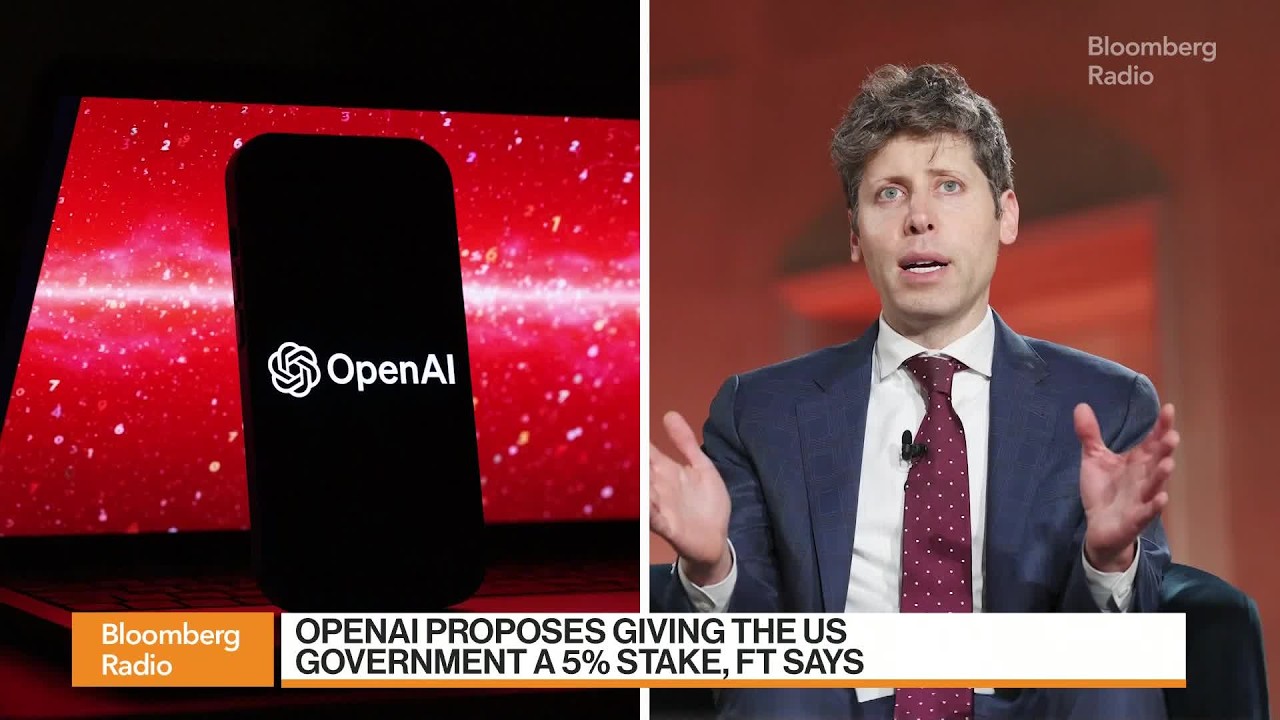
The Financial Times recently reported that OpenAI is considering giving the U.S. government a 5% stake in the company. This proposal is part of a broader idea to create a public benefit fund that would redistribute some of the wealth generated by the AI boom, potentially mitigating economic disruptions caused by the technology. While President Donald Trump has expressed some interest in the concept, details remain vague, and it appears that OpenAI is still working out the specifics ahead of its IPO. Other AI companies like Anthropic and Google’s DeepMind might also be encouraged to offer stakes to the government, though their enthusiasm is uncertain.
This idea of government stakes in AI companies is not entirely new. For example, Bernie Sanders has proposed a similar public benefit fund, but his plan involves a much larger 50% tax on the stock of AI companies, which has been rejected by Republicans and even Trump himself, who claims he had the idea first. The 5% stake proposed by OpenAI is significantly smaller and seems to be a more moderate approach to addressing the economic impact of AI advancements.
In a related story, Apple is reportedly looking to source memory chips from Chinese manufacturers, specifically Christmas and Why MTC, which are on a Pentagon blacklist due to alleged ties to China’s military. This move is driven by the soaring demand for memory chips fueled by AI development, which has strained traditional suppliers like Samsung, SK Hynix, and Micron Technology. Apple’s plan to use these Chinese chips in products sold within China raises political and national security concerns in Washington.
The potential use of blacklisted Chinese memory chipmakers by Apple has sparked criticism from U.S. national security hawks, including the head of the House Foreign Relations Committee, who view the move as problematic. Although Apple does not require government permission to import these chips, the political fallout could be significant. Tim Cook’s longstanding relationship with President Trump, who affectionately calls him “Tim Apple,” may play a crucial role in navigating these challenges and securing political support.
Meanwhile, there is a complex lobbying environment surrounding this issue. Microsoft, which competes in the same market, may oppose Apple’s move to source Chinese chips, as it could threaten their business. Notably, Micron Technology recently pledged $250 million to a Trump-backed initiative, highlighting the competing interests at play. The outcome will likely depend on which companies can best influence the administration’s stance on allowing Chinese memory chips into the U.S. supply chain.