OpenAI has launched its “12 Days of Ship-Mas,” introducing the GPT Pro Mode, a $200 monthly tier that enhances model performance, particularly in computational tasks, and is aimed at power users. Additionally, the company is exploring advancements in image processing and 3D rendering, exemplified by the World Labs platform, which allows users to create modifiable 3D environments from images, reflecting a broader trend in the AI industry towards more sophisticated creative applications.
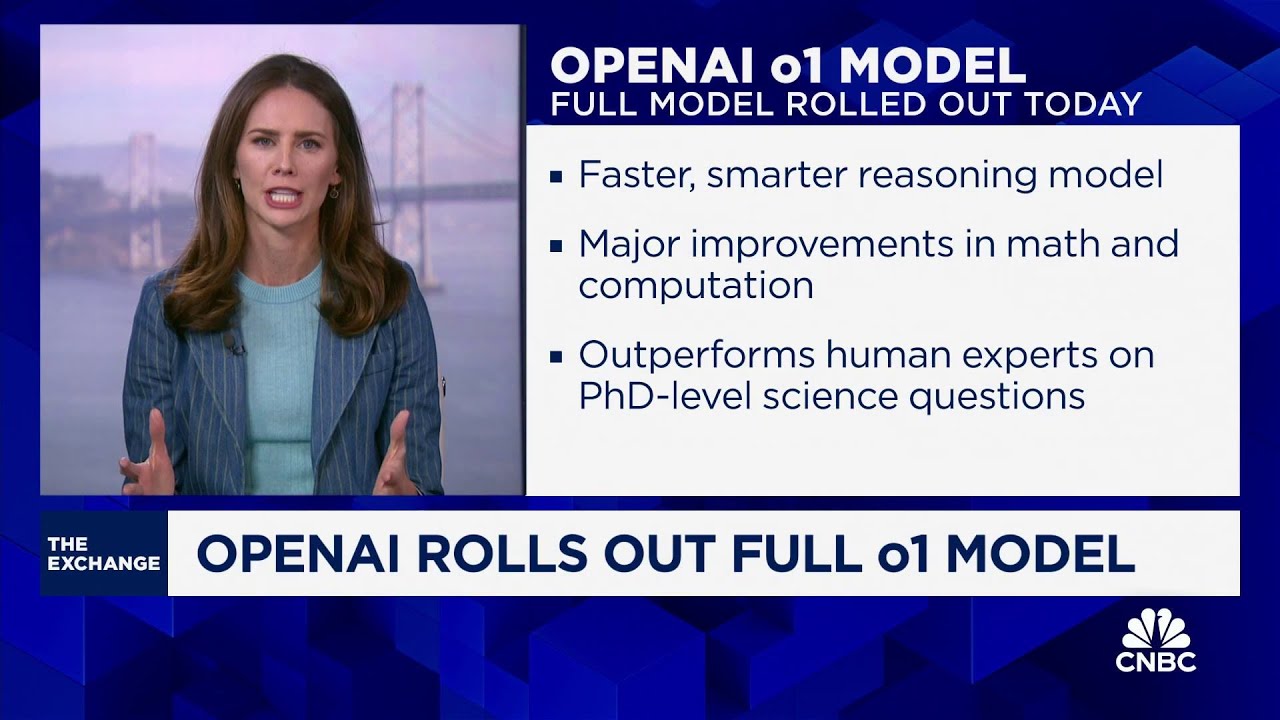
OpenAI has launched its “12 Days of Ship-Mas,” introducing two significant updates to its AI models. The first update features an enhanced version of its main model, which is now available in a new $200 per month tier called GPT Pro Mode. During a live demonstration, CEO Sam Altman highlighted the model’s improvements in speed and intelligence, particularly in computational tasks and complex scientific questions, where it reportedly outperforms human experts by about 10 percentage points. Although the performance boost may seem minor, Altman emphasized that these enhancements are substantial for users.
The new GPT Pro Mode is designed for power users who require more computational resources than the standard $20 monthly plan offers. This move indicates OpenAI’s strategy to monetize its services, which is crucial for the company’s financial sustainability in a capital-intensive industry. The introduction of this tier reflects a growing willingness to charge for advanced features, catering to engineers and coders who need enhanced capabilities from the AI.
In addition to the model updates, OpenAI is also exploring advancements in image processing and 3D rendering. A notable example is the World Labs platform, which transforms images into modifiable 3D environments. This technology allows users to upload a picture and generate a 3D world based on that image, showcasing the potential for creative applications in fields like video game development. The results can resemble whimsical, imaginative landscapes, reminiscent of Dr. Seuss’s style.
The competition in the AI space is intensifying, with other companies like Google also rolling out similar features. Google’s Gemini has introduced comparable capabilities, indicating a trend towards more sophisticated image-to-3D video technologies. As these advancements emerge, they are setting new standards for what AI can achieve, pushing the boundaries of creativity and functionality.
Overall, OpenAI’s updates signal a significant step forward in AI technology, particularly for users in creative and technical fields. The combination of improved model performance and innovative 3D rendering capabilities illustrates the company’s commitment to advancing AI applications. As the industry evolves, these developments will likely play a crucial role in shaping the future of AI and its integration into various creative processes.