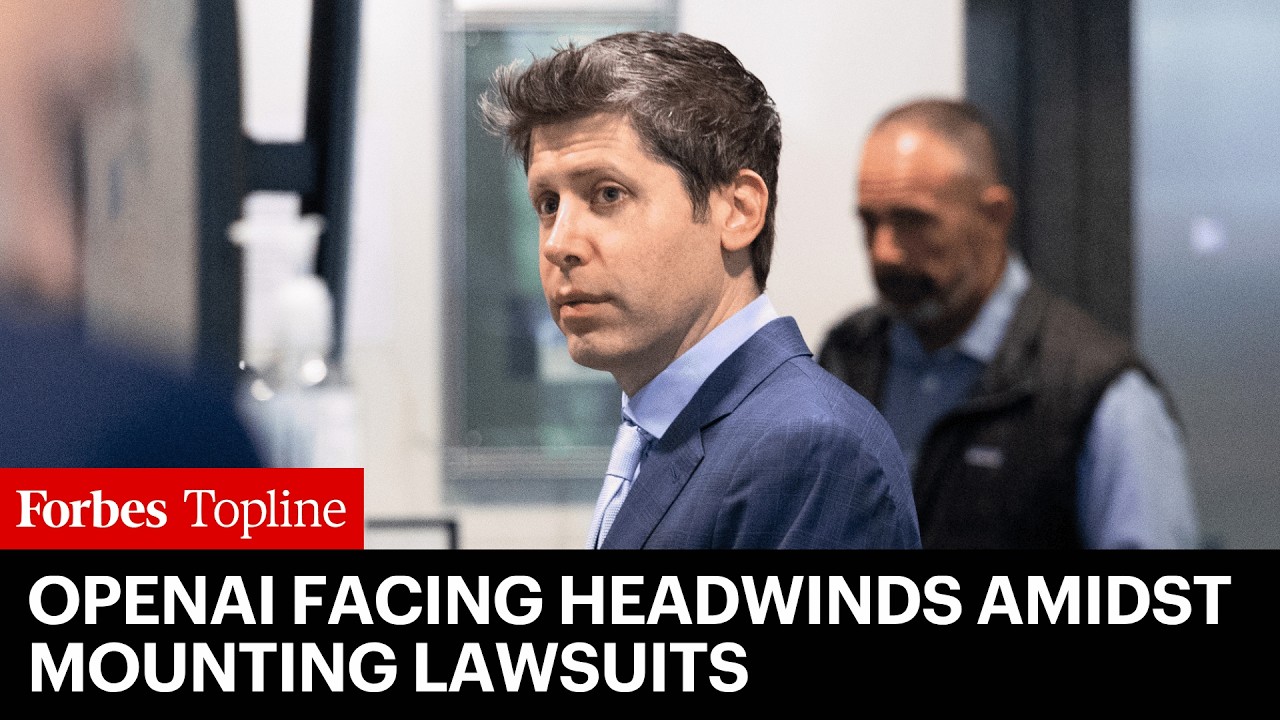
OpenAI is facing significant challenges ahead of its planned 2026 IPO, including a deteriorated partnership with Apple, a high-stakes lawsuit from Elon Musk that could alter its corporate structure and leadership, and two wrongful death lawsuits linked to ChatGPT’s advice. Despite denying liability and reinforcing ChatGPT’s safeguards, these legal and partnership issues pose serious risks to OpenAI’s business model and future prospects.
OpenAI’s partnership with Apple has reportedly deteriorated, potentially leading to legal action. According to Bloomberg, tensions have risen because Apple allegedly failed to adequately integrate ChatGPT into its software as agreed upon in their partnership. This development adds to a series of challenges facing OpenAI in recent weeks, complicating the company’s trajectory as it plans to go public by the last quarter of 2026.
In addition to the Apple dispute, OpenAI is embroiled in a high-stakes lawsuit filed by Elon Musk. Jury deliberations are set to begin soon, with the outcome potentially forcing OpenAI to revert to its previous nonprofit structure if the court sides with Musk. A ruling in Musk’s favor could also result in the removal of CEO Sam Altman and President Greg Brockman from the company’s board. OpenAI has denied Musk’s allegations, accusing him of retaliating due to sour grapes after the company’s success without his involvement.
OpenAI is also facing two wrongful death lawsuits. One case involves a man who fatally overdosed after allegedly receiving advice from ChatGPT, while another lawsuit relates to a mass shooting at Florida State University, where the widow of a victim claims ChatGPT provided guidance to the shooter. OpenAI has denied liability in both cases, emphasizing that ChatGPT is not a substitute for professional medical or mental health care.
In response to these lawsuits, OpenAI spokesperson Drew Pusateri stated that the company has strengthened ChatGPT’s responses in sensitive situations with input from mental health experts. Regarding the Florida shooting lawsuit, Pusateri asserted that ChatGPT only provided factual information available from public sources and did not encourage or promote illegal or harmful activities.
Overall, OpenAI is navigating a turbulent period marked by strained partnerships, significant legal battles, and public scrutiny. These challenges could have profound implications for the company’s business model, leadership, and future plans, including its anticipated IPO in 2026.