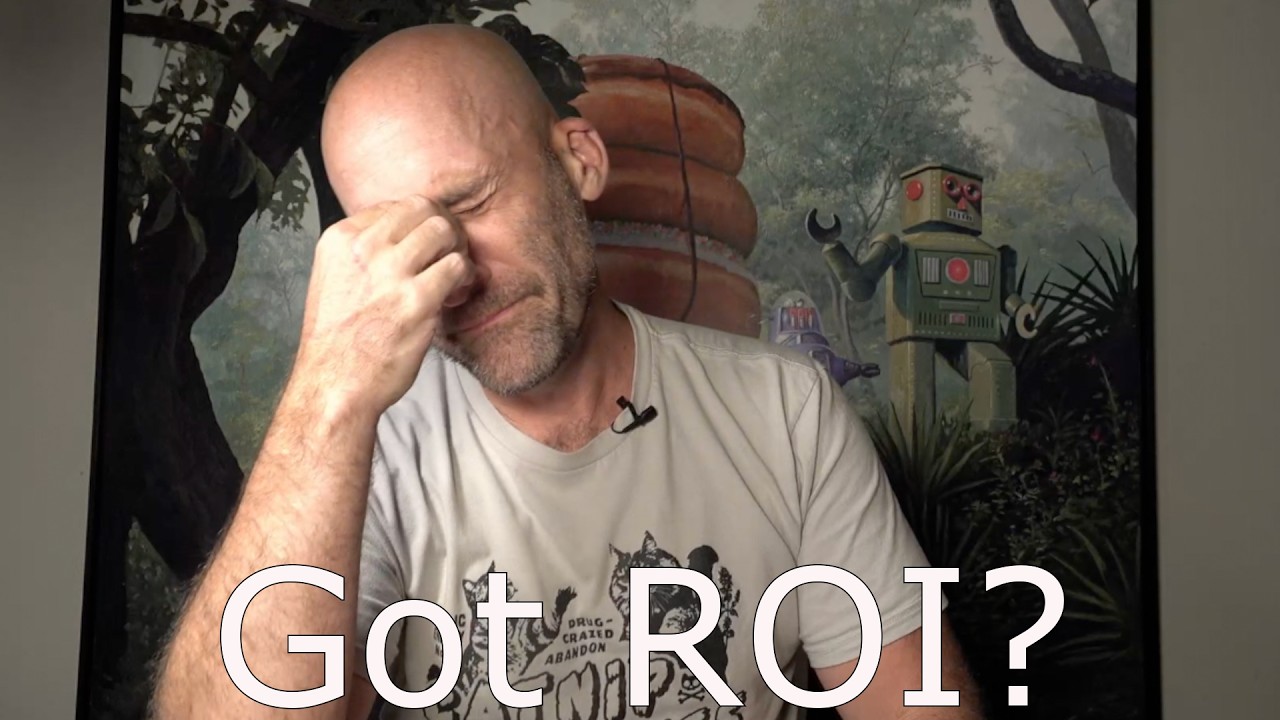
The video critiques OpenAI’s decision to shut down its AI-powered browser Atlas, highlighting the broader instability and financial challenges in the AI industry where promising products are often discontinued due to unclear returns on investment. It warns users about the risks of relying on AI tools that may be abruptly abandoned and questions OpenAI’s strategic shift towards embedding AI in existing platforms amid fierce competition from companies like Google.
The video discusses OpenAI’s decision to shut down its AI-powered web browser, Atlas, less than a year after its launch. Atlas was designed to integrate ChatGPT directly into a web browser, allowing users to interact with AI while browsing the internet. While the concept was functional, it never became a leading product, and its closure reflects a broader trend in the AI industry where companies are pulling back on projects that don’t show clear returns on investment. The speaker compares this to OpenAI’s earlier shutdown of Sora, an AI video creation tool, highlighting how costly and unsustainable some AI ventures can be.
The speaker expresses surprise that maintaining Atlas wouldn’t be prohibitively expensive, given that it essentially connected a browser interface to ChatGPT’s backend. This raises questions about OpenAI’s resource allocation and business strategy, especially since a dedicated AI browser could have grown and improved over time. The shutdown is seen as part of a larger pattern where tech companies kill off products that are “fine enough” but not front-runners, similar to Google’s discontinuation of Google Plus despite its integration with other Google services.
A major concern raised is the instability of AI products and services in the current market. The speaker warns that integrating AI tools deeply into business systems is risky because these products can be abruptly discontinued, leaving users stranded. This unpredictability is more problematic than common AI issues like hallucinations. The speaker emphasizes that while the underlying AI technology is generally solid, the business models supporting these products are often unstable and unprofitable, leading to sudden shutdowns.
OpenAI’s strategy appears to be shifting from standalone products like Atlas to embedding AI features into existing platforms, such as ChatGPT’s desktop app and a new Chrome extension. However, this move is criticized as potentially unwise because it places OpenAI in direct competition with Google, which is integrating its Gemini AI model deeply into its own ecosystem. The speaker questions the wisdom of relying on a competitor’s platform and suggests that OpenAI’s focus on frontier AI models overlooks the importance of practical integrations and user-friendly extensions that customers actually want.
In conclusion, the video portrays the current AI industry as chaotic and financially unstable, with companies experimenting wildly but lacking clear, sustainable business plans. The speaker cautions viewers to be wary of adopting AI technologies too quickly, given the high risk of products disappearing unexpectedly. The overall message is that while AI technology itself is advancing, the business side is fraught with uncertainty, and users should be prepared for disruptions as companies like OpenAI recalibrate their strategies and cut less profitable ventures like Atlas.