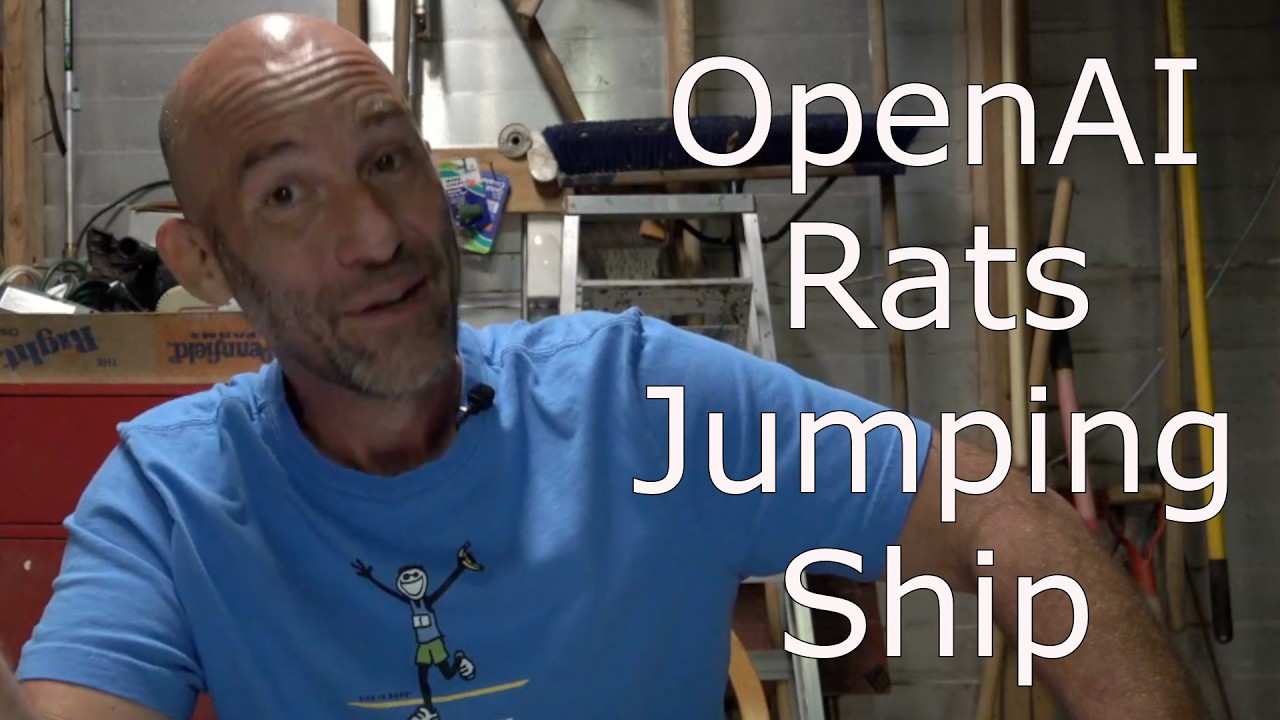
The video highlights growing concerns about OpenAI’s stability following the departure of several key executives, including the head of data centers, amid internal disagreements over IPO timing and valuation. These unusual exits, especially so close to the anticipated IPO, suggest deeper issues within the company and raise doubts about OpenAI’s future despite its public image and ambitious goals.
The video discusses growing concerns about OpenAI’s stability and future prospects, particularly in light of recent executive departures. The host highlights that despite viewers’ fatigue over the repeated claim that “OpenAI is dead,” there remains significant interest in the topic. He points out that OpenAI’s CEO, Sam Altman, has set an ambitious $1 trillion valuation target for their IPO, which some insiders believe is unrealistic. Meanwhile, the CFO reportedly wants to delay the IPO until 2027 due to problematic paperwork, signaling internal disagreements and potential financial troubles.
Several high-profile executives have left OpenAI recently, including the Chief Revenue Officer and a Vice President of American Sales, both of whom had long tenures at established companies like Salesforce and Slack before joining OpenAI for short stints. Their departures, especially so close to the anticipated IPO, are unusual and raise red flags. The host argues that these executives would typically stay to benefit from the IPO windfall, suggesting that their exits indicate deeper issues within the company rather than normal turnover.
The departure of Chris Malone, OpenAI’s head of data centers, is particularly concerning given his critical role in building the company’s infrastructure. Malone, who previously worked at Meta and Google, left after just over a year at OpenAI, which is surprising amid the industry’s AI infrastructure expansion. OpenAI’s official statement about reorganizing its infrastructure team does little to clarify the reasons behind his exit, fueling speculation about internal instability.
The host also critiques the common excuses given for executive departures, such as health reasons or wanting to spend more time with family, calling them implausible in these cases. He emphasizes that these are seasoned professionals with significant financial incentives to stay through the IPO. Their decisions to leave suggest a lack of confidence in OpenAI’s future, which contrasts sharply with the company’s public image as a revolutionary AI leader.
In conclusion, the video paints a bleak picture of OpenAI’s current state, suggesting that the company may be struggling behind the scenes despite its high valuation and public hype. The host urges viewers to consider the unusual timing and nature of these executive exits as potential signs that OpenAI’s runway is running out. He invites viewers to share their thoughts on whether these developments indicate that OpenAI is indeed “dead” or if there might be other explanations for the turmoil.