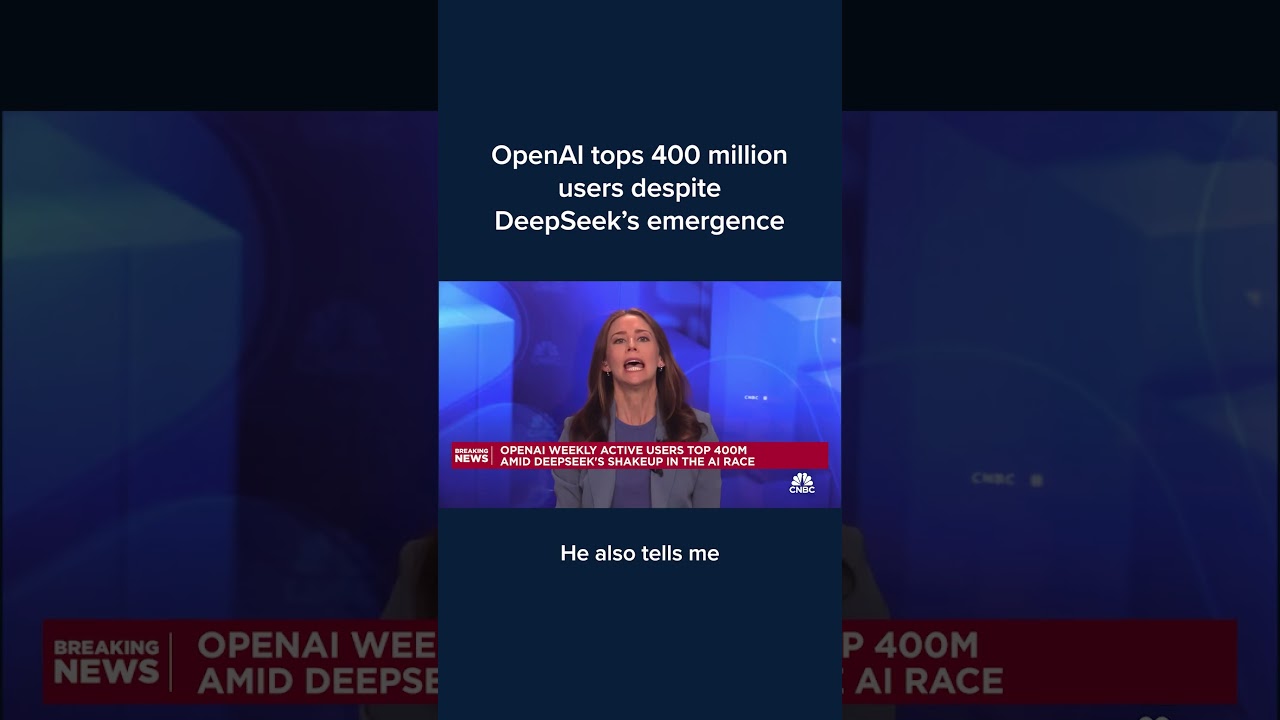
OpenAI has reached 400 million weekly active users, a 33% increase since December, driven by the growing familiarity and utility of its technology, alongside a rise in enterprise partnerships. Despite facing challenges from competitors like DeepSeek and legal issues involving co-founder Elon Musk, OpenAI remains focused on its growth and transparency in navigating the evolving AI landscape.
In a recent update, OpenAI’s Chief Operating Officer announced that the company has reached 400 million weekly active users as of February, marking a significant increase of 33% from 300 million in early December. This growth has not been previously reported and highlights the increasing popularity of OpenAI’s technology. The COO, Brad Leap, attributes this surge to the natural progression of the technology, which has become more useful and familiar to a wider audience. Word of mouth and the visibility of friends using the technology have played a crucial role in driving this growth.
OpenAI’s expansion is not limited to consumer use; it is also making strides in the enterprise sector. The company now boasts 2 million paying users, which is double the number reported in September. The COO noted that while consumer adoption is accelerating, the growth in the enterprise segment is slower. However, OpenAI has established partnerships with major companies such as Uber and Morgan Stanley, which are among its largest enterprise customers.
Despite the impressive growth figures, OpenAI is navigating a challenging landscape, particularly with the emergence of DeepSeek, which has caused some turbulence in the tech markets. Investors have expressed concerns about the potential impact on the profitability of AI companies, including OpenAI. Nevertheless, the COO reassured stakeholders that these market dynamics have not altered the company’s roadmap or spending plans.
The situation has been further complicated by legal issues involving co-founder Elon Musk, who is suing OpenAI and has made a $97 billion takeover bid. The COO acknowledged Musk as a competitor, describing his approach as unconventional. Despite these challenges, OpenAI remains focused on its growth trajectory and is committed to transparency regarding its operations and performance.
Overall, OpenAI’s user growth and enterprise expansion reflect the increasing acceptance and utility of AI technology. The company is poised to continue its upward trend, even amidst competitive pressures and market uncertainties. The leadership’s emphasis on transparency and adaptability will be crucial as they navigate the evolving landscape of artificial intelligence.